





Introduction — The Intimate History and Charm of Algarve Quintas
Algarve quintas offer a one-of-a-kind experience that blends agricultural heritage, traditional architecture and warm hospitality. Long associated with working farms, olive groves and whitewashed stone houses, these rural estates have gradually evolved into sought-after guesthouses, educational farms and agrotourism hubs. In the Algarve — Portugal’s southern region famed for its golden cliffs, beaches and mild microclimate — quintas provide a peaceful counterpoint to the bustling coastline: havens of calm, slow travel and rural discovery.
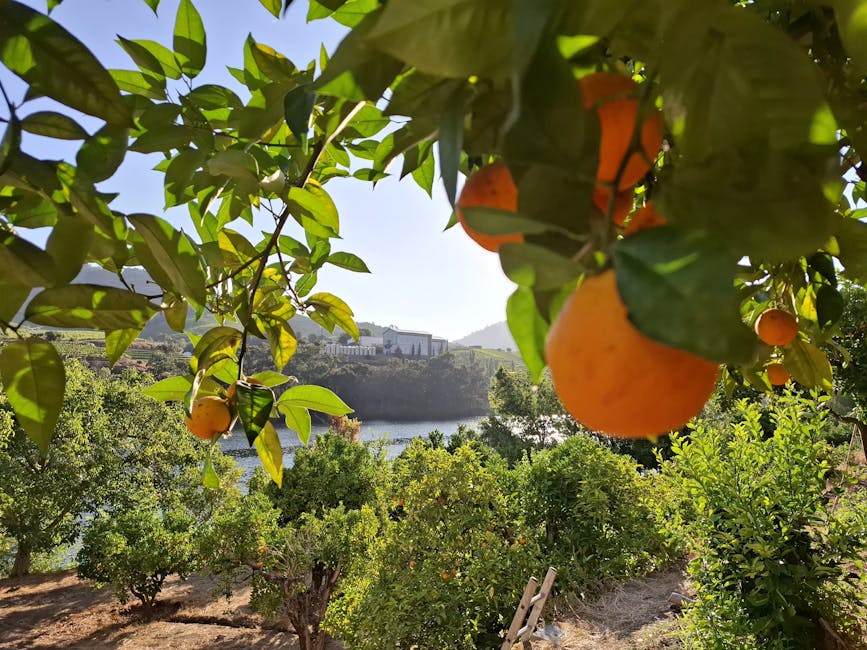
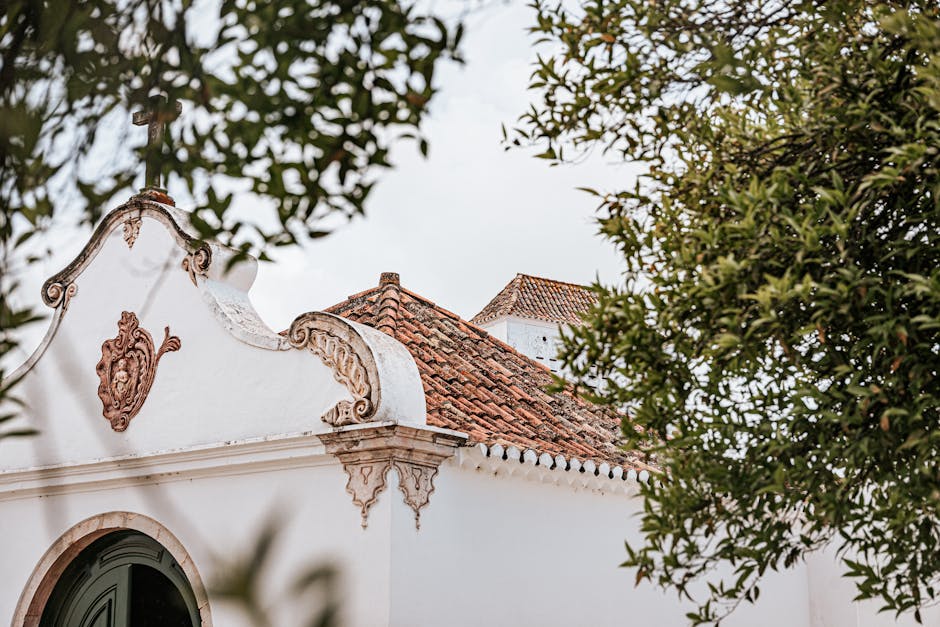
Historically, the word « quinta » refers to a farm or country estate, often family-run, where vineyards, orange groves, almond trees and olives were cultivated. In the Algarve, quintas were shaped by Phoenician, Roman, Moorish and Portuguese influences, reflected in lime-washed walls, enclosed gardens, inner courtyards and colorful azulejos. These rural properties also played local economic roles: mills, olive presses, wine cellars and irrigated orchards fed by small canals. Over the 20th century some quintas were adapted to welcome visitors seeking immersion and authenticity — today we call it agrotourism, turismo rural or boutique countryside hospitality.
The charm of a quinta in the Algarve lies in its ability to combine modern comfort with rustic simplicity. You’ll find rooms finished with local materials, meals sourced from the kitchen garden, freshly baked bread, and activities like citrus picking, walks or bike rides along white tracks, or olive-culture workshops. These places are perfect vantage points for understanding the Algarve’s cultural landscape — orange groves, almond enclosures, dry-stone walls and small rural chapels. Owners, often multigenerational families or passionate restoration enthusiasts, share valuable stories: harvest histories, farming seasons and traditional preservation techniques.
For travelers, staying in a quinta also opens up lesser-known routes: weekly village markets such as Loulé or Alte, olive oil tasting trails, and hilltop viewpoints where the ocean glints in the distance. Quintas are often close to authentic villages, making it easy to combine rural immersion with visits to key tourist sites: Faro (Avenida da República, 8000-078 Faro), Lagos (Praça Gil Eanes, 8600-513 Lagos) or Tavira (Praça da República, 8800-347 Tavira).
In this guide you’ll find immersive descriptions of quinta atmospheres and architecture, plus practical information — addresses, typical opening hours, indicative prices in euros, and local tips to help you pick the quinta that best fits your expectations: total peace, farm activities, family-friendly stays or rustic luxury. Keep in mind that prices fluctuate with the season: expect higher rates in peak months (June–September), while spring and autumn often offer great value and clear skies perfect for hiking.
Notable Quintas and Remarkable Addresses
Among the quintas that are well-known or accessible to the public in the Algarve, some stand out for their history, careful restoration and the services they offer. Here are a few properties where you can experience rural life while enjoying practical facilities and organized activities:
- Quinta do Lago — Rua Quinta do Lago, 8135-024 Almancil. This estate is best known as a large domain integrated into a golf-and-nature resort. Opening hours: access to public areas and restaurants varies by facility, generally 08:00–22:00 for restaurants. Pricing: access to the grounds is free, but restaurants and activities (golf, excursions) are paid; meal prices 15–70 € per person, green fees on courses 60–200 € depending on season and course. Quinta do Lago is ideal if you want to combine nature, birdwatching in the Ria Formosa and upscale accommodation.
- Vila Monte Farm House (Vila Monte) — Herdade dos Montes, 8700-157 Moncarapacho (east Algarve). Opening hours: 24-hour reception for guests; check-in 15:00, check-out 12:00. Pricing: rooms from around 120 € per night off-season, suites 220–400 € in high season. This restored farmhouse offers citrus gardens, a swimming pool and culinary activities. Perfect for those who want comfort and the chance to take part in farm life.
- Quinta do Barranco da Estrada — Rua do Barranco da Estrada, 8400-225 Carvoeiro. Opening hours: available for private rental (check-in and check-out vary by booking). Pricing: villas and private rooms 90–350 € per night depending on season and size. A typically Portuguese property often rented by groups seeking a private pool and easy access to the beaches of Carvoeiro and Benagil.

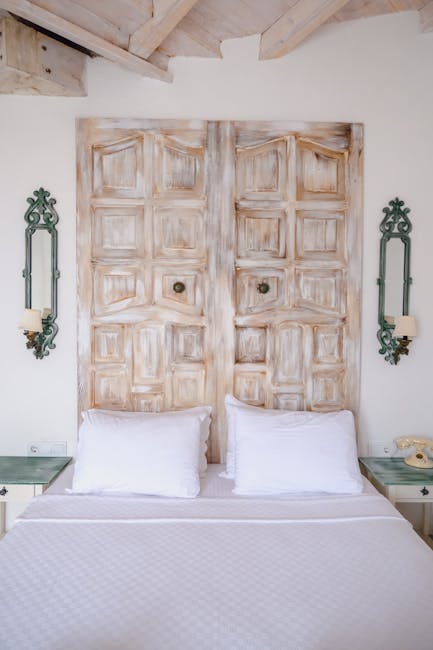
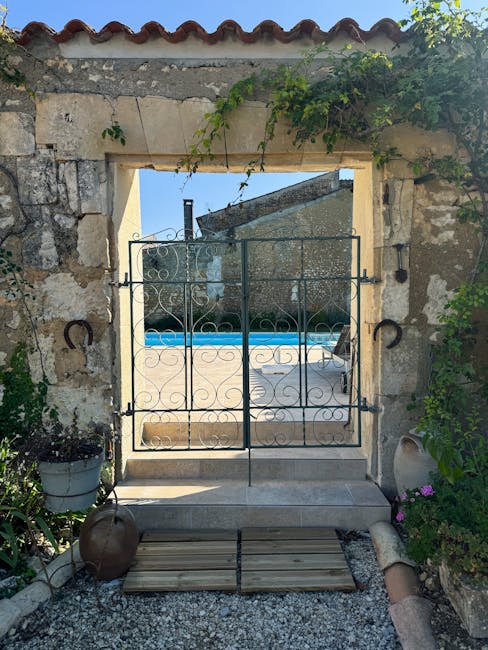
These examples show the diversity of options: from the golf-lifestyle domain of Quinta do Lago to small restored farms turned boutique hotels. Always call ahead before visiting: many quintas require appointments for guided tours of vegetable gardens or olive presses, and the schedules for seasonal activities (olive harvests, grape harvests, culinary workshops) can vary.
Rural Activities, Workshops and the Agricultural Calendar
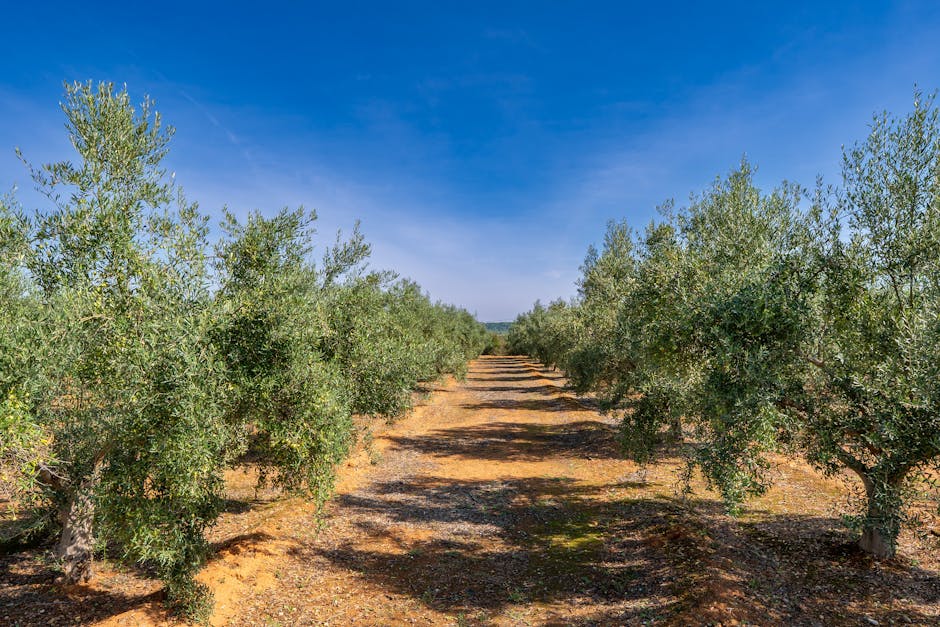
Quintas in the Algarve aren’t just places to sleep — they frequently offer hands-on experiences. In autumn and winter, olive harvesting and oil production take place; many quintas organize olive-culture workshops that include picking, a visit to a local mill and oil tastings. A typical workshop might run from 09:00 to 12:30 and cost 25–60 € per person depending on what’s included (transfers, tastings, packed lunch).
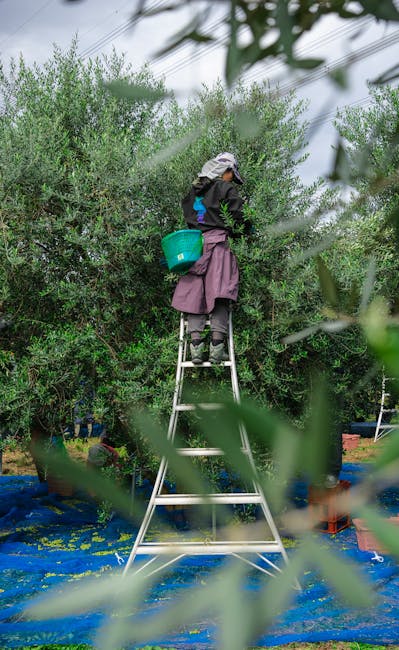
In spring, activities tend to focus on hiking, birdwatching and citrus picking (oranges and lemons). Guided horse rides or bike tours along Algarve trails are often offered by quintas: typical durations are 2–4 hours, prices 30–90 € per person depending on length and guide. Portuguese cooking workshops, led by owners or local chefs, usually feature a quinta-style menu — homemade bread, jams, fish dishes or vegetable stews — and generally cost 35–75 € per person, meal included.
Practical tips: book workshops at least a week in advance during high season; bring sturdy closed walking shoes for rocky paths; pack sun protection, even outside summer, as southern sun can be strong. If you want to join a local grape harvest or olive press, check approximate dates: grape harvests generally run September–October, olive picking from November to January depending on climate and ripeness.
Architecture, Heritage Restoration and How to Choose Your Quinta
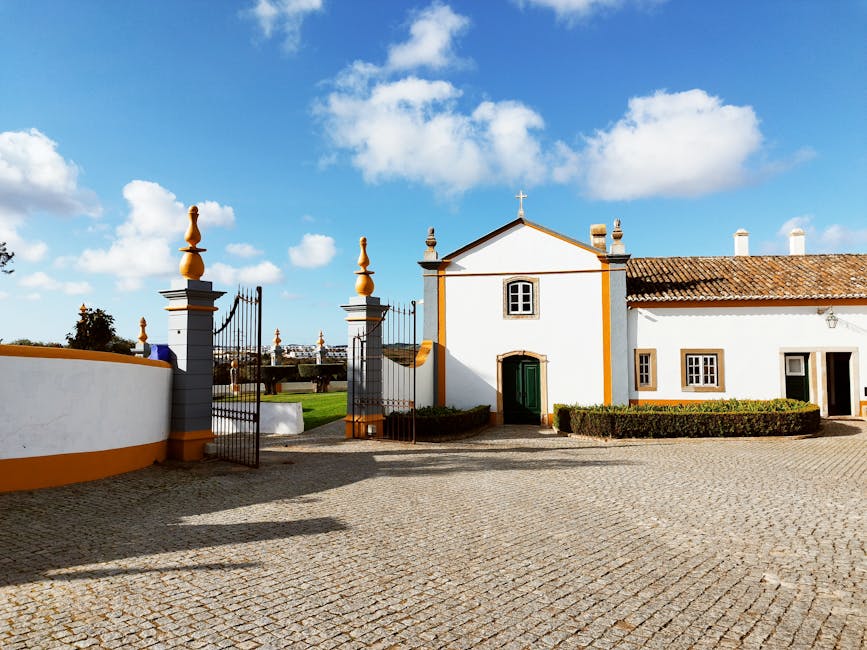
Quintas display a variety of architectural styles: long farmhouses with tiled roofs, small whitewashed farms with interior patios, stone barns converted into lounges, and walled gardens planted with citrus trees. Recent renovations often preserve original materials: local stone, oak beams, handmade tiles and lime plasters. These choices create an atmosphere of elegant simplicity and help keep interiors cool during hot months.
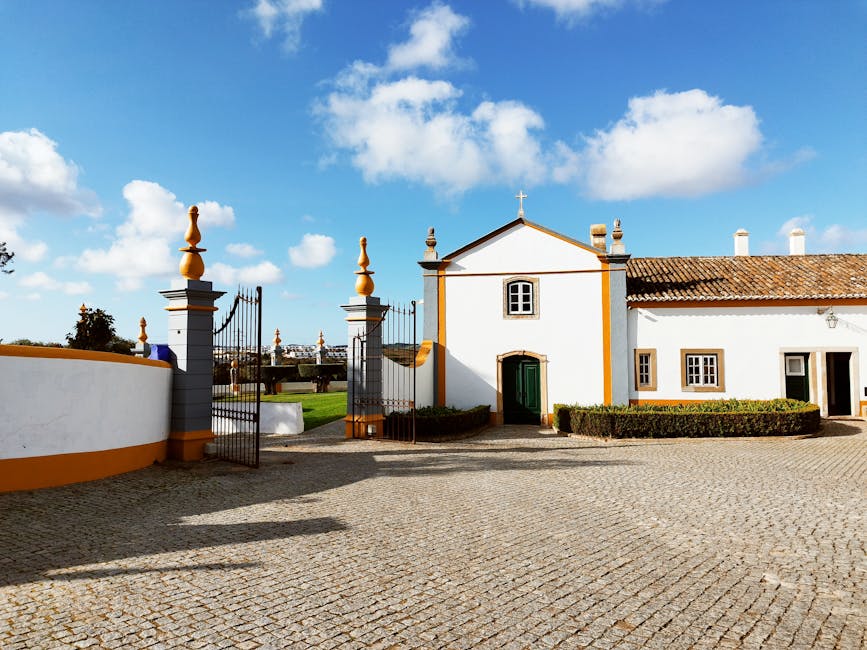
To pick a quinta that fits your needs, ask yourself: are you after complete tranquility or proximity to activities? Do you want a hands-on agricultural experience or a relaxing stay with full services? Here are some guidelines:
- For active travelers: choose a quinta close to hiking trails or riding centers. Look for clearly listed activities on the property website (hours, prices).
- For families: check for secure spaces (fenced pool, equipped kitchen) and kids’ activities (bread-making workshops, animal visits). Children’s rates are often reduced (10–50 € depending on the activity).
- For romantic getaways: opt for a quinta with suites, included breakfasts (usually 8–18 € if added to the booking) and the option for private dinners prepared by a chef.
Practical info: most quintas accept card payments or bank transfers; some operate in cash/euros only. Reception hours are often limited outside larger properties: plan check-ins between 15:00 and 19:00 or contact the owner for late arrivals. Also note that many Algarve quintas sit along the N125 (coastal road) or on secondary lanes: renting a car is highly recommended to explore the area at your own pace.
Conclusion — Why Choose a Quinta in the Algarve for Your Next Stay
Staying at a quinta in the Algarve means choosing a deeper kind of travel than a regular hotel can offer: a rooted connection to the land, a slower pace, encounters with passionate hosts and the chance to take part in real farm life. Quintas present a full panorama: architectural heritage, local gastronomy, seasonal activities and shifting landscapes — from orchards beside the Ria Formosa lagoons to almond-dotted hills and the golden cliffs along the coast. For travelers eager to experience the Algarve differently, a quinta is a doorway to an authentic region where sea and soil converse.
Before booking, always check the exact conditions: full address (for example Quinta do Lago, Rua Quinta do Lago, 8135-024 Almancil for the estate), reception hours, what’s included in the rate (breakfast, cleaning) and extra costs for activities (workshops, transfers). Planning ahead — especially for seasonal workshops like harvests or oil pressings — will maximize your chances of taking part in the highlights of local agricultural life.
Finally, keep a few local tips in mind: respect farm customs (don’t pick produce without permission), bring appropriate footwear and support local producers by buying olive oil, jams and cheeses to help the families who maintain these properties. Algarve quintas are more than accommodation: they are living experiences where skills, flavors and stories are shared, and where every stay becomes a personal chapter in a centuries-old rural tale.