





Introduction — Algarve shopping areas: how to spot fake deals
The Algarve, Portugal’s southernmost region, draws millions of visitors every year for its beaches, sunshine and relaxed lifestyle. It’s also a bustling shopping destination: historic municipal markets, modern malls, souvenir shops lining touristy lanes and beach stalls hawking “can’t-miss deals.” For the savvy traveler these options are a goldmine; for the rushed or uninformed visitor they can quickly turn into tourist traps full of fake bargains.
This practical guide gives you a professional, hands-on approach to spotting fake deals in the Algarve’s main shopping areas. We’ll point out specific places — municipal markets, shopping centres and shopping streets — with exact addresses, typical opening hours, price examples and vivid descriptions so you know what to expect. You’ll learn how to tell a genuine discount from an inflated price, how to spot counterfeit items versus authentic local pieces, and how to haggle without losing your cool.
We also cover behaviors and warning signs to watch for: misuse of the term « tax free, » fake « end-of-season » sales, attractive packaging that hides poor quality, and price comparisons you should always make. This guide focuses on popular spots — for example Forum Algarve in Faro, Mercado Municipal de Loulé, Mercado Municipal de Portimão and Mar Shopping Algarve — so you get real-world, immediately usable examples. You’ll also find local tips for each place: when to visit to avoid pushy sellers, how to identify trustworthy vendors, and which items are worth buying locally (pottery from Vila Nova de Milfontes, canned fish, Albufeira ceramics, Algarve wines).
Finally, the guide includes practical recommendations: indicative euro ranges for common items (e.g., fresh bream fillets at the market, average t-shirt prices, round-trip boat tours for local fishing trips) and typical opening hours to plan your shopping. Whether you’re hunting for an authentic gift, a good deal on international brands or a local culinary experience, you’ll leave with concrete tools to recognize and avoid fake bargains.
Forum Algarve (Faro) and shopping centres: how to judge promotions
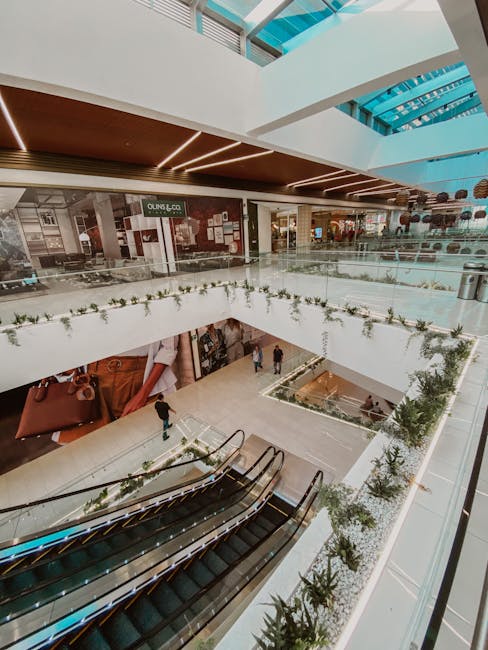
Forum Algarve is one of the region’s largest shopping malls and is often the first stop for visitors looking for international brands and easy-to-compare promotions. Address: Forum Algarve, Avenida da República 24, 8000-078 Faro. Typical hours: Mon–Sat 10:00–22:00, Sun 11:00–21:00. You’ll find stores like Zara, H&M, Fnac and Worten, plus cafés and a hypermarket.
Signs of a fake deal in a mall:
- Vague promotions: signs reading « up to 70% » with no detail about which items are actually included.
- Multiple receipts where discounts are only applied at checkout: ask to see the displayed price before you get to the till.
- Sales staff using pressure tactics: repeating « last piece » on items that will be back on the shelf the next day.
Practical tips: always compare the ticketed price with the receipt; use the brand’s mobile app to check online prices (often the same or cheaper) and use loyalty cards if you plan to buy multiple items. Price examples: a basic cotton t-shirt at H&M usually costs between €8 and €15, while a pair of jeans at Zara is typically around €29 to €60, depending on the collection. During sales (winter sales late January/early February, summer sales late June/early July), if the advertised discount looks too good, check the original price on the tag — some stores artificially change the base price.
One more point: « tax free » shopping for non-residents. In malls you’ll sometimes see signs promising VAT refunds. Always verify that this option is real: the minimum purchase amount to claim VAT is often high and the admin fees for the refund can greatly reduce the benefit. Example: for a €150 purchase with 23% VAT in Portugal, the actual refund after fees might only be €10–15.
Municipal markets: Mercado Municipal de Loulé and Mercado Municipal de Portimão — spotting overpriced goods
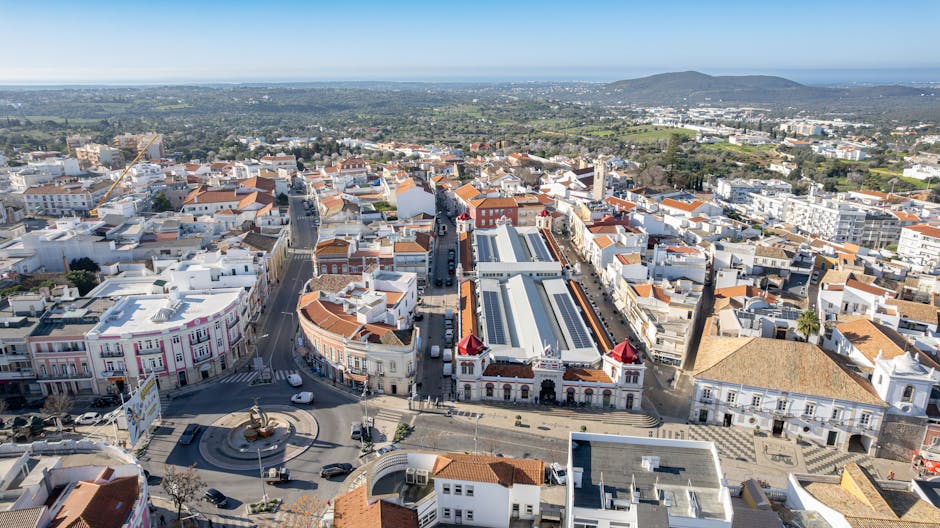
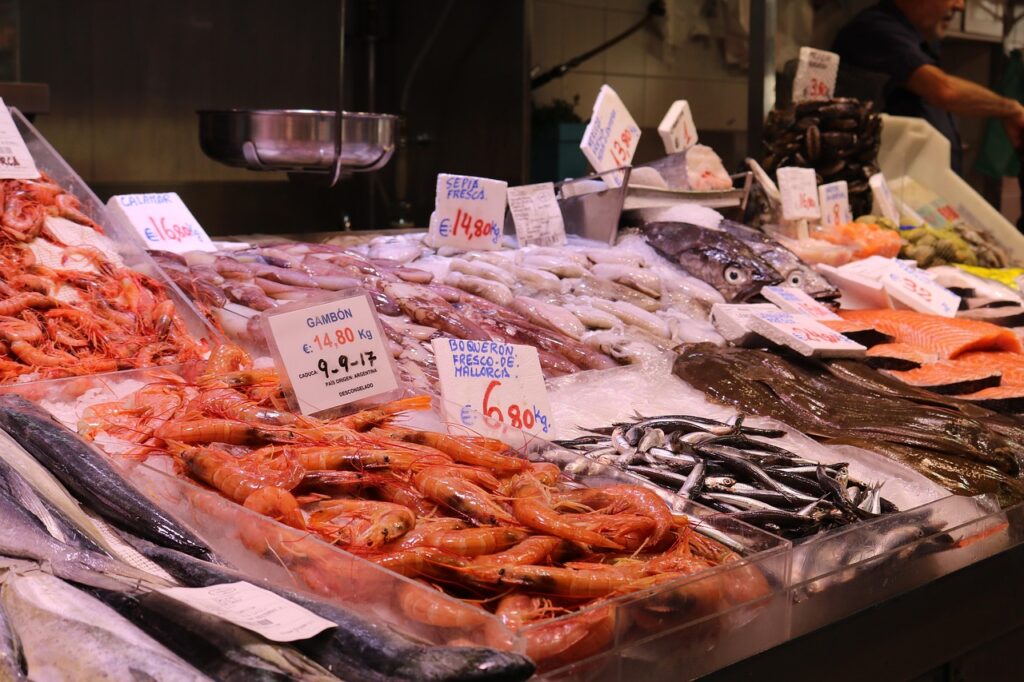
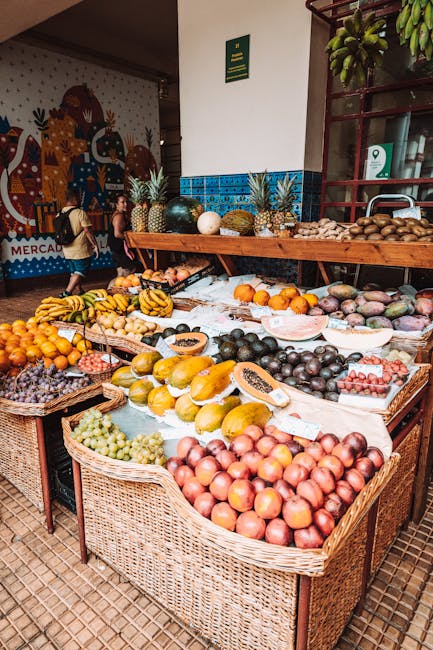
The Algarve’s municipal markets are lively, authentic places where the urge to buy local goods is strong. Two markets to know: Mercado Municipal de Loulé, Praça Dr. Joaquim António de Aguiar, 8100-157 Loulé (hours: Tue–Sun 08:00–13:00, closed Mondays) and Mercado Municipal de Portimão, Avenida Tomás Cabreira, 8500-104 Portimão (hours: Mon–Sat 07:00–13:30, with some stalls open in the evenings in high season). These markets sell fresh fish, fruit, vegetables, charcuterie, cheeses and artisanal souvenirs.
How to spot a fake bargain here:
- Fish advertised as « fresh » with no smell but uniformly packed in ice: some sellers buy frozen fish, thaw it and sell it as fresh. Check the eyes (clear and bright = fresh) and the flesh’s firmness.
- Displays labeled « traditional products » but with packaging lacking any certification: ask for the exact origin (producer’s name or village).
- Prices quoted inconsistently: if a vendor tells you « special price just for you, » compare with three nearby stalls; a real market price will follow the season.
Realistic price examples: a kilo of tomatoes in season: €1.50–€2.50, a tray of fresh sardines: €3–€6 per kilo, a jar of artisanal jam (~300 g): €3–€5. If one stall offers a bottle of « artisan » lemonade at €1 while others charge €2.50, be wary: lower quality or short shelf life.
Local tips: arrive early (7:00–9:00) for the best selection and to avoid sellers who jack up prices late in the morning. Bring small euro notes: many vendors won’t accept €50 bills. Also, taste before you buy (many stalls offer samples) and ask direct questions: genuine producers love talking about their products and will give specific answers.
Tourist shops and pedestrian areas: Albufeira, Vilamoura, Lagos — avoid overpriced souvenirs
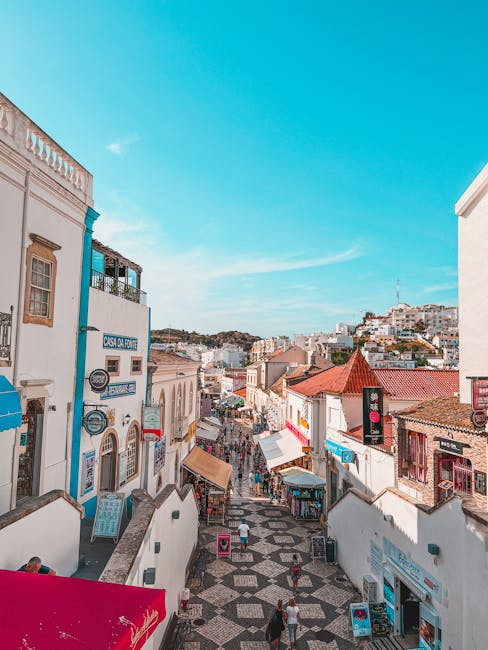
Historic centres and waterfronts like Rua 5 de Outubro in Albufeira, Vilamoura marina or Rua de Santa Maria in Lagos are full of tourist shops. Typical address in Albufeira: Rua 5 de Outubro, 8200-001 Albufeira (many shops and restaurants along the street). These areas are great for a stroll but also ripe for fake bargains: mass-produced items, products imported from Asia, and sellers claiming « locally made » without proof.
Telltale signs of fake bargains:
- « Made in Portugal » printed on packaging without proper labels; check the small inner tag (clothing) or the underside label (ceramics).
- Identical items sold at very different prices just 50 metres apart: usually a sign of hurried buyers or unscrupulous merchants.
- « Buy 2 get 1 free » promotions on seasonal or perishable goods: quality is often compromised.
Practical price examples: a small hand-painted ceramic cup: €6–€12 if genuine, but often offered at €20–€35 in tourist shops. A « caves and sandbanks » boat trip from Albufeira usually costs between €20 and €30 per adult (duration 60–90 minutes); if a seller promises a « private tour » for the same price, ask for details (duration, passenger count, skipper’s license).
Local tips: for authentic souvenirs look for shops marked « Artesanato » or buy directly from local artisans who display their workshop. Haggle politely but firmly: a 10–15% discount is often acceptable for a cash purchase, but be wary of very large discounts that usually indicate poor quality. Also, prioritise items that pack easily and come with proof of origin (certificates, labels, artisan stamps).

Practical tips and buying strategy: verify, compare, document
Here’s a clear methodology to avoid fake deals across any Algarve shopping area:
- Check the label: origin, composition, care instructions. For textiles, look for the small inner sewn label; for ceramics, search for a stamp on the back.
- Compare prices: note prices from three different sellers for the same item. If the gap is more than 30%, ask about origin and warranty.
- Ask for proof: invoice, producer contact details, photos of the workshop. Honest sellers won’t refuse.
- Test: taste, smell, handle (respectfully). Samples of jam or olive oil are often available.
- Take photos: if you suspect false advertising, photograph the product and the label — it helps if you need to file a complaint.
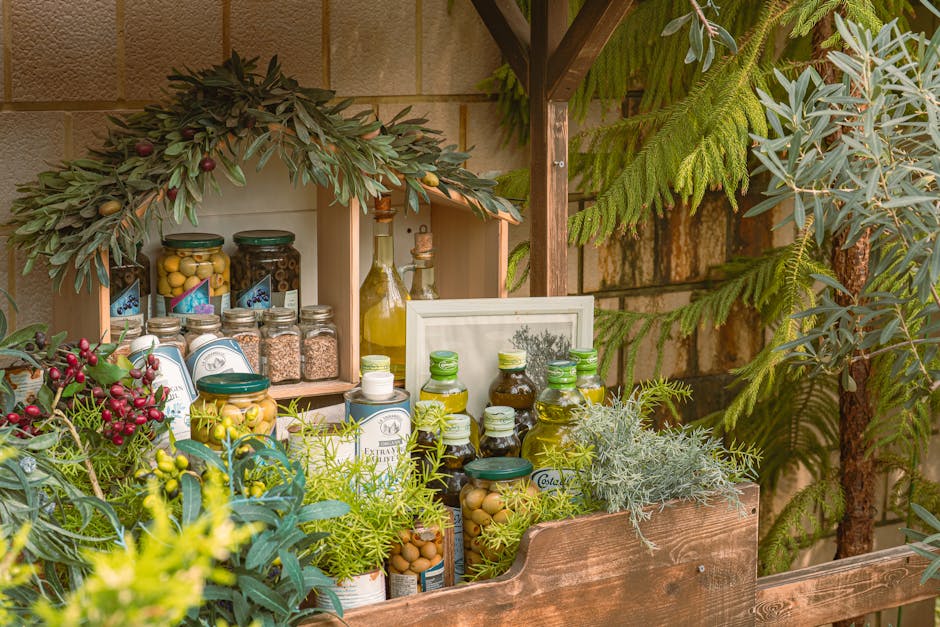
Number-based examples to keep in your pocket: 500 ml bottles of extra virgin olive oil — expected price €6–€12 depending on quality; if someone offers a 500 ml « premium » for €3, that’s suspicious. A tin of artisanal sardines (~120 g): €2.50–€5. Algarve regional wine (bottle): €6–€15 for decent quality; so-called « local premium » wines sold for under €5 in bulk deserve scrutiny.
Final tips: always keep a priority shopping list (what’s authentic and what can wait), avoid impulse buys on day one and reserve some budget for a genuine find. Be polite but firm during negotiations: most merchants will respect that. If you’re unsure about an expensive product (>€50), ask for a written guarantee or favour an official point of sale (artisan shop, cooperative).
Conclusion — Travel smart to enjoy the Algarve without getting ripped off
The Algarve offers a rich commercial mix: modern shopping centres like Forum Algarve, lively markets such as Mercado Municipal de Loulé and Mercado Municipal de Portimão, and bustling tourist streets in Albufeira, Lagos and Vilamoura. That variety is a strength: it lets you find everything from big-name brands to artisanal treasures. But it’s also fertile ground for fake deals, from dramatic discounts that aren’t real to products sold as « local » when they were imported.
To travel smart and protect your budget, remember the simple but effective rules: always check labels and origins, compare prices across several sellers, ask for proof of authenticity, test products when possible, and document any irregularities with photos. Use a step-by-step approach: don’t buy on impulse, prefer purchases from transparent artisans or official sellers, and keep price benchmarks in mind (olive oil €6–€12, canned fish €2.50–€5, local wines €6–€15, basic t-shirts €8–€15).
Finally, let yourself be guided by encounters: a local producer willing to share the story behind their product is often the best guarantee of quality. Resist the lure of « too good to be true » deals and prioritise transparency and seller reputation. By following these practical tips — addresses, hours, price examples and warning signs — you’ll be able to enjoy the Algarve’s markets, shops and malls without falling into common traps. Safe travels and happy shopping!