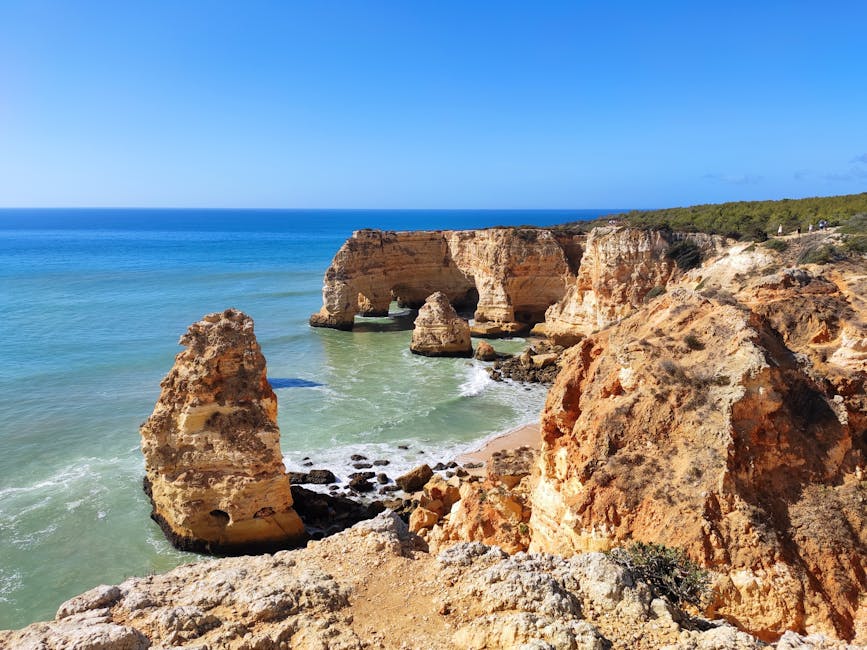






Algarve Climate: A Side-by-Side Guide to Plan Your Perfect Holiday
Introduction
The Algarve, mainland Portugal’s southernmost region, draws millions of visitors every year with its golden beaches, ochre cliffs, whitewashed villages and almost constant sunshine. Understanding the Algarve’s climate is key to planning your trip: picking the right beaches, booking water activities, avoiding heat peaks, or choosing cooler months for hiking and birdwatching. This detailed guide breaks down coastal climate variations from east to west — from Olhão and Tavira in the east to Sagres and Lagos in the west — and offers practical tips, useful addresses, indicative prices and opening times for local attractions and services.
What’s special about the Algarve is how the climate noticeably changes from east to west and even from one coastline to the other (the south coast facing the Alboran Sea vs the west coast facing the Atlantic). Microclimates show up in air temperatures, sea temperatures, wind and the number of rainy days. Knowing these differences will help you decide where to stay depending on your priorities: sunbathing and warmer swimming (East: Tavira, Ilha de Tavira), wild scenery and surf (West: Sagres, Arrifana), nightlife and lively beaches (Albufeira, Praia da Oura), or a balance between urban comfort and nature (Faro, Lagos).
Each section of this guide looks at a stretch of coast or a key climatic aspect: seasonal temperatures, precipitation, sunshine, sea temperature, wind, plus recommendations on activities, exact spots to visit, opening hours and current prices (in euros) to help you build a realistic itinerary. You’ll also find practical local tips — where to buy sunscreen, how to shield yourself from the wind, when to book a boat trip to Benagil Cave, and how to dodge the crowds in high season.
This guide is for families and couples, water-sports lovers, hikers, and travelers who want to discover the Algarve off-season. The addresses and opening times mentioned are concrete starting points to plan your days. At the end there’s a summary of the best months based on your priorities and a pre-trip checklist. Pack your bags and your camera: the weather will steer you to the right Algarve hideaway.
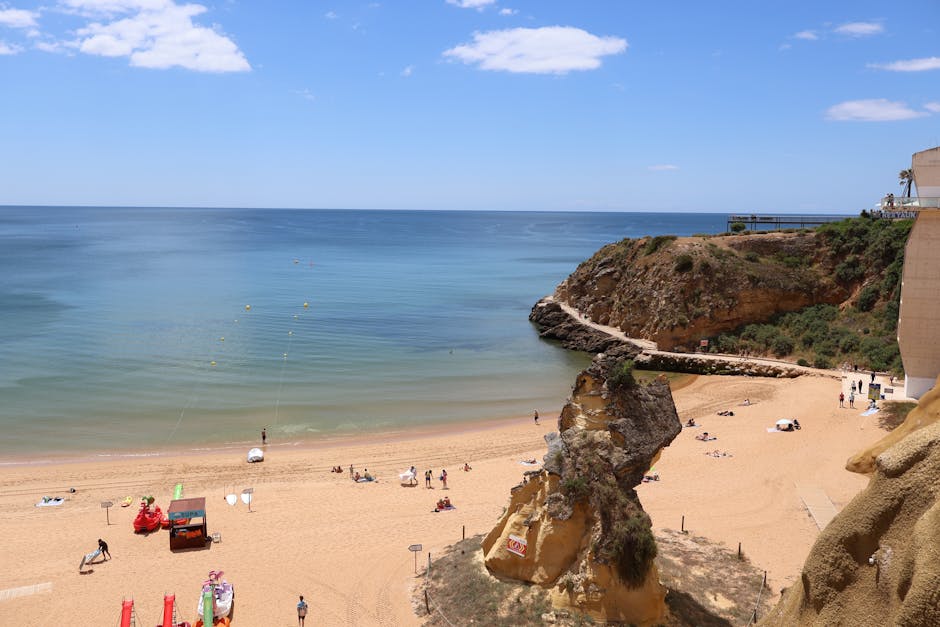
1) East Coast: Tavira, Ilha de Tavira, and the Ria Formosa — mild climate, warmer sea
The east coast of the Algarve — including Tavira, Ilha de Tavira and the Ria Formosa Natural Park — has the mildest and least windy climate in the region. Summers are warm but often tempered by a gentle breeze, and the sea here is among the warmest, perfect for families and long swims. In Tavira (Praça da República, 8800-305 Tavira), expect average July–August temperatures between 27 °C and 31 °C, with occasional peaks up to 35 °C during exceptional heatwaves. Sea temperatures in August can reach 20–22 °C.
The Ria Formosa — a protected lagoon system — is less exposed to Atlantic swells, making barrier islands like Ilha de Tavira (Praia de Tavira, 8800-223 Tavira) ideal for gentler water sports: stand-up paddle, kayaking and swimming. Boat trips to the islands commonly depart from Olhão Marina (Marina de Olhão, Avenida da República, 8700-312 Olhão). Indicative price: €12–€18 return per person; schedules usually 09:00–19:00 depending on the season. In high season (July–August) book ahead — departures every 30–60 minutes.
Local tip: for wildlife watching in the Ria Formosa, visit the Ria Formosa Natural Park Visitor Centre (Marina de Olhão, 8700-191 Olhão). Entry is free, but guided boat tours cost €18–€35 depending on duration (2–4 hours). Best months for birding: September–November (migrations) and March–April (breeding season). For sun protection, Farmácia Tavira (Rua Dr. Joaquim Jacinto da Silva 4, 8800-309 Tavira) stocks high-protection sunscreens (around €10–€20 depending on brand) and hats.
2) Central-East and Urban Hubs: Faro, Olhão, and Albufeira — a balance of city climate and sea access
Faro, the Algarve’s administrative center, offers a good climate balance: warm summers (avg. 26–30 °C in July–August) and mild winters (avg. 10–16 °C in January). The international airport (Aeroporto de Faro, Estrada da Penha, 8000-078 Faro) is the region’s gateway; expect busy morning and evening flights in summer. Faro’s old town (Largo da Sé, 8000-138 Faro) is worth visiting year-round — the cathedral is open to visitors: hours 09:00–17:30 (high season); entrance fee ≈ €2–€4.
Olhão, famous for its municipal market Mercado de Olhão (Rua José Belchior Viegas, 8700-325 Olhão), is known for its fresh fish. The urban climate here is great for morning markets: cool mornings and moderate winds. Best times for the market are 07:00–11:00. Budget for a seafood lunch: €12–€25 per person at nearby restaurants like ‘Restaurante Nicola’ (Avenida da República 23, 8700-312 Olhão), open 12:00–15:00 and 19:00–22:30.
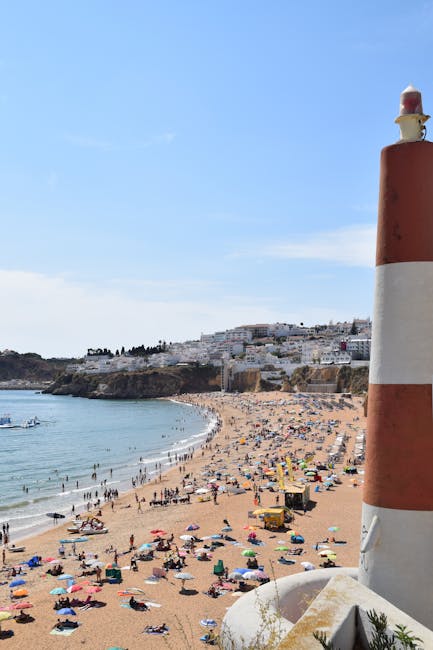
Albufeira mixes lively beaches with a slightly windier microclimate near the cliffs. Praia da Oura and Praia dos Pescadores (Rua da Oura, 8200-917 Albufeira) are very busy in summer. Boat trips along the coast and to sea caves usually cost €20–€35; departures are frequent between 10:00 and 17:00. In high season, aim for the earliest departures to beat the crowds and the midday heat.
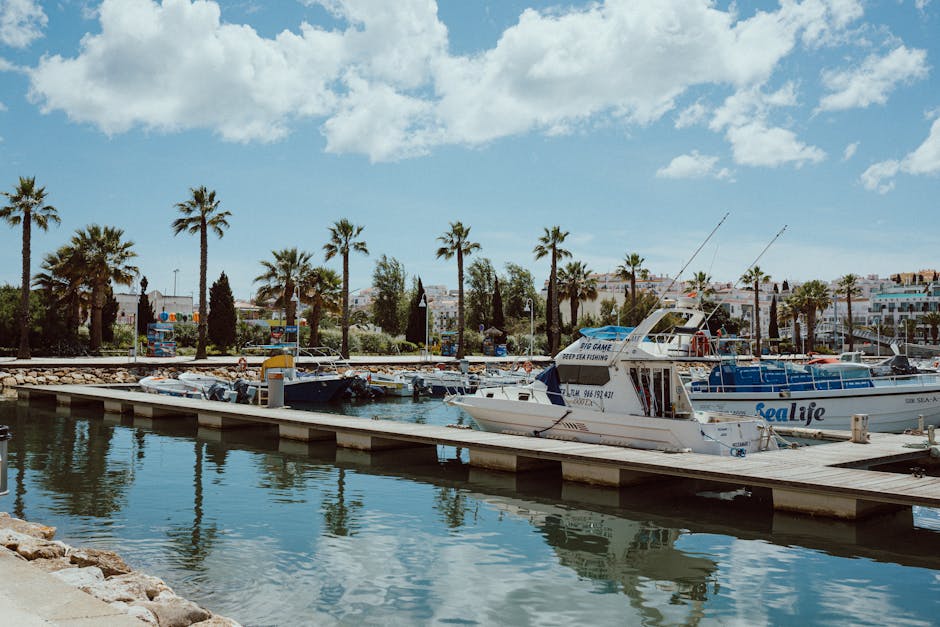
3) Central-West Coast: Portimão, Praia da Rocha and Benagil — heat, cliffs and sea excursions
The central-west coast around Portimão and Praia da Rocha (Avenida Tomás Cabreira, 8500-802 Portimão) features wider beaches and dramatic rock formations. Summers are hot and sunny (average summer temps 28–33 °C), with an afternoon breeze common; the sea is comfortably tempered (19–22 °C in summer). Praia da Rocha draws many tourists: sunbeds cost around €6–€12 per day depending on location, with parasols €4–€8.
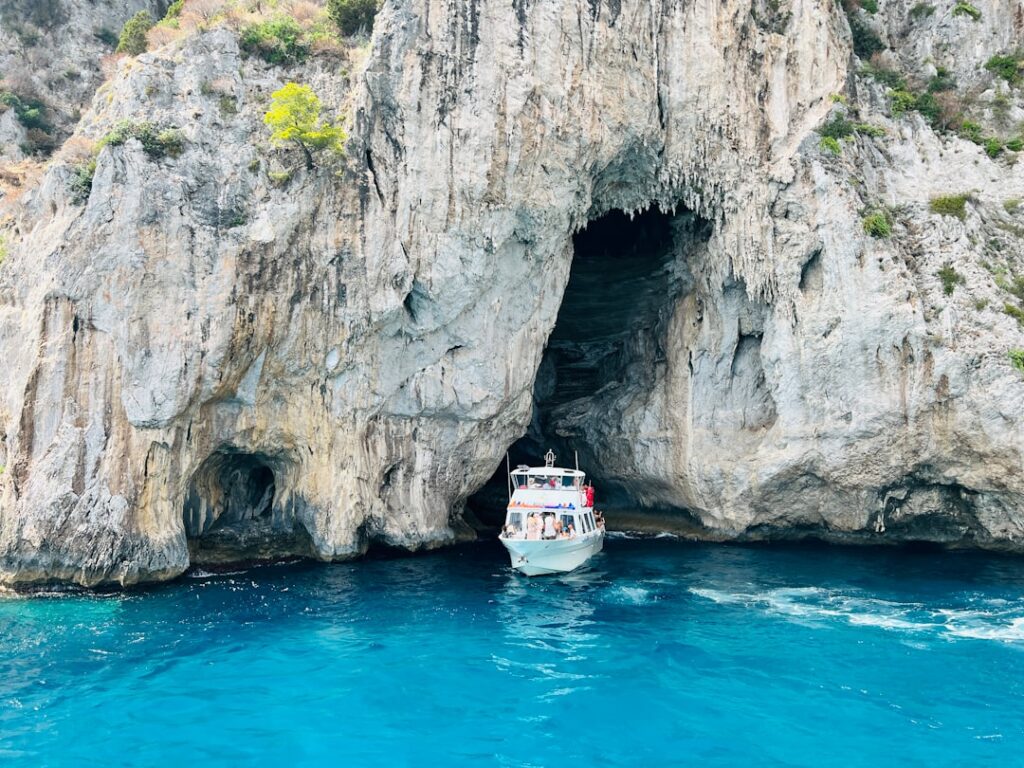
Benagil Cave (Algar de Benagil), accessible from Benagil Beach (Benagil Beach, 8400-050 Carvoeiro), is one of the region’s iconic sights. Kayak and boat trips to the cave cost €25–€45 per person depending on duration and group size; departures often run 09:30–18:00. Tip: book early-morning slots for the best light inside the cave and fewer people. Boat tours commonly depart from Portimão Marina (Marina de Portimão, Avenida Tomas Cabreira, 8500-802 Portimão) and Albufeira Marina (Loteamento Turistico da Oura, 8200-646 Albufeira).
For snorkeling and diving fans, the best spots are around the small coves and cliffs south of Carvoeiro. Local dive centers (e.g. Scuba Diving Algarve, Rua dos Pescadores 12, 8400-382 Carvoeiro) offer introductory dives from ≈ €45–€70; hours 09:00–17:00 depending on weather. In September the water remains warm and conditions are often ideal for diving.
4) West Coast: Lagos, Sagres, and Atlantic winds — surf, wild cliffs and tides
Heading west, the climate is more influenced by the Atlantic Ocean. Lagos (Praça Infante Dom Henrique, 8600-315 Lagos) and Sagres (Fortaleza de Sagres, Zona Balnear, 8650-356 Sagres) see slightly cooler daytime summers but chillier evenings due to winds and ocean currents. Average summer temps range from 22 °C to 28 °C, and sea temperatures are a bit cooler (17–20 °C in summer). Offshore winds — especially strong from October to March — make the west coast a playground for surfing, kitesurfing and windsurfing.
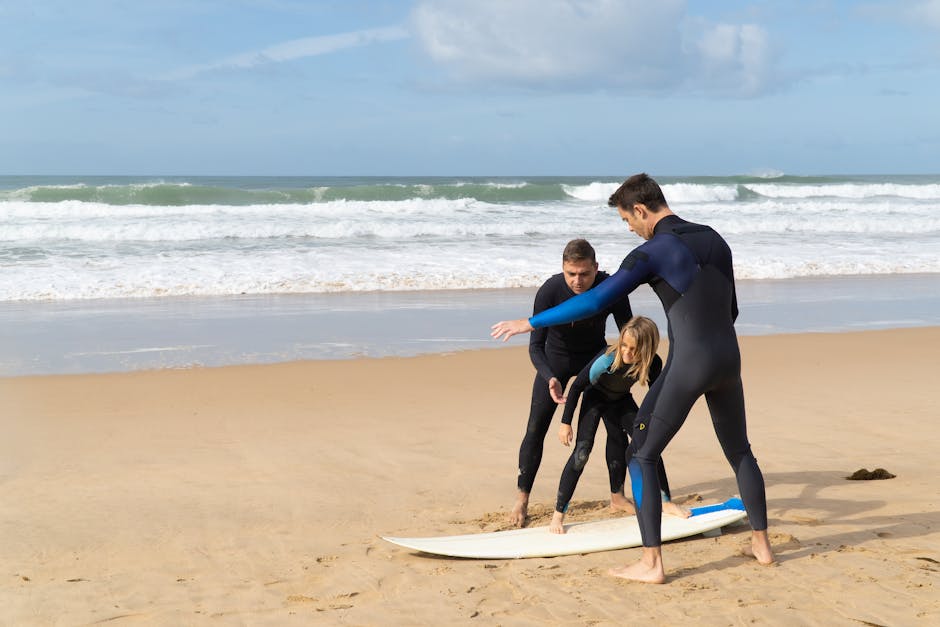
Sagres is known for its wild cliffs and surf spots. Sagres Surf School (Praça da República 1, 8650-356 Sagres) offers lessons starting at €30 for 1.5 hours (board included). Lesson hours: 09:00–18:00 in summer, depending on tides. The Fortaleza de Sagres usually opens 09:00–19:00 between April and September, entrance ≈ €3–€6.
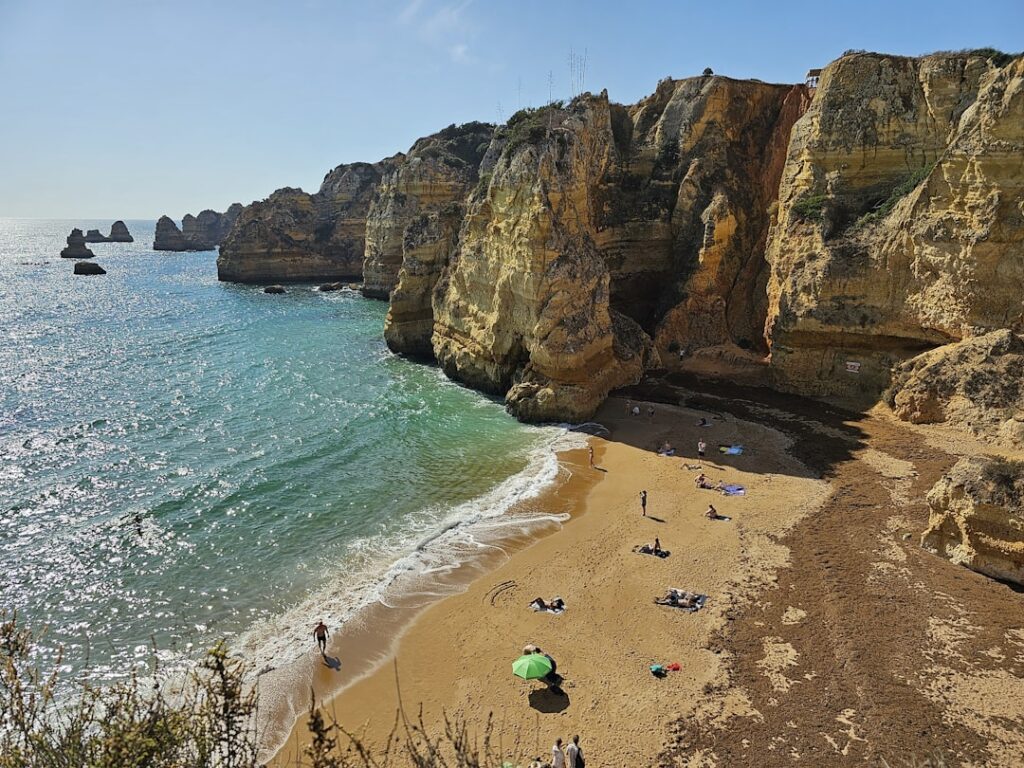
Lagos combines swimmable beaches (Praia Dona Ana, Praia do Camilo) with cliff-top hiking trails (Ponta da Piedade). Cave-spotting boat trips depart from Marina de Lagos (Marina de Lagos, Avenida dos Descobrimentos, 8600-315 Lagos); fares €20–€30, regular departures 10:00–17:00. Hikers will love the stretch between Ponta da Piedade and Sagres for its dramatic views — but always check the forecast and wind before tackling exposed routes.
5) Seasonality and Practical Tips by Month — what to pack, when to book
The best time depends on what you want to do:
- June–September: high season. Maximum sunshine, high temperatures, warm sea. Ideal for beach days and boat excursions. Book accommodation and tours 1–3 months in advance. Prices: mid-range hotels €80–€150/night in July–August in popular areas; cave tours €25–€45.
- May and October: great compromise. Pleasant weather, fewer tourists, lower accommodation rates (€50–€90/night). Sea still pleasant in October. Best time for hiking and birdwatching.
- November–April: low season. Mild winters, occasional rain, windier on the west coast. Great for budget travel, surfing and cultural visits. Hotels at their cheapest (€30–€70/night). Some boat tours reduce schedules (check 09:00–16:00).
Travel checklist: SPF50 sunscreen (€10–€20 at pharmacies), a windproof jacket for evenings (€20–€80), light hiking shoes, swimwear and water shoes for rocky spots (€10–€25). Transport: the Algarve line trains (Comboios de Portugal) link Vila Real de Santo António–Faro–Lagos; schedules vary, fares ≈ €3–€10 depending on distance. Renting a car is recommended to explore wild corners; daily rates ≈ €25–€60 depending on season and car class.
Conclusion
Planning your Algarve holiday around the climate means matching your priorities: warm, calm waters in the east (Tavira, Ilha de Tavira); nightlife and seaside activities in the center (Albufeira, Portimão); marine adventures and spectacular caves in the central-west (Benagil, Carvoeiro); or wild landscapes and surf on the west coast (Lagos, Sagres). Microclimate differences affect not only air and sea temperatures, but also wind strength, wave intensity and activity availability. In high season (June–September) expect to book ahead and pay higher prices; in May, October and the low season you’ll enjoy pleasant weather with fewer crowds and gentler prices.
Final tips: always check attraction schedules (marinas and local tourist offices update departure times), book early-morning boat trips to Benagil Cave and other grottoes, and tailor your gear — sun protection, light jacket, suitable shoes — to the area you’re visiting. For live information, visit the Faro Tourist Information Centre (Rua da Misericórdia 49, 8000-282 Faro); typical hours 09:30–17:30, free brochures and maps. Above all, remember that the Algarve is best discovered at a relaxed pace: one day on the beach, one day on a boat, one day hiking — and you’ll get a full taste of the climates and landscapes that make this region so alluring.