





Introduction — Before You Go to the Algarve: Passport, ETIAS (the “European ESTA”) and Other Essential Documents
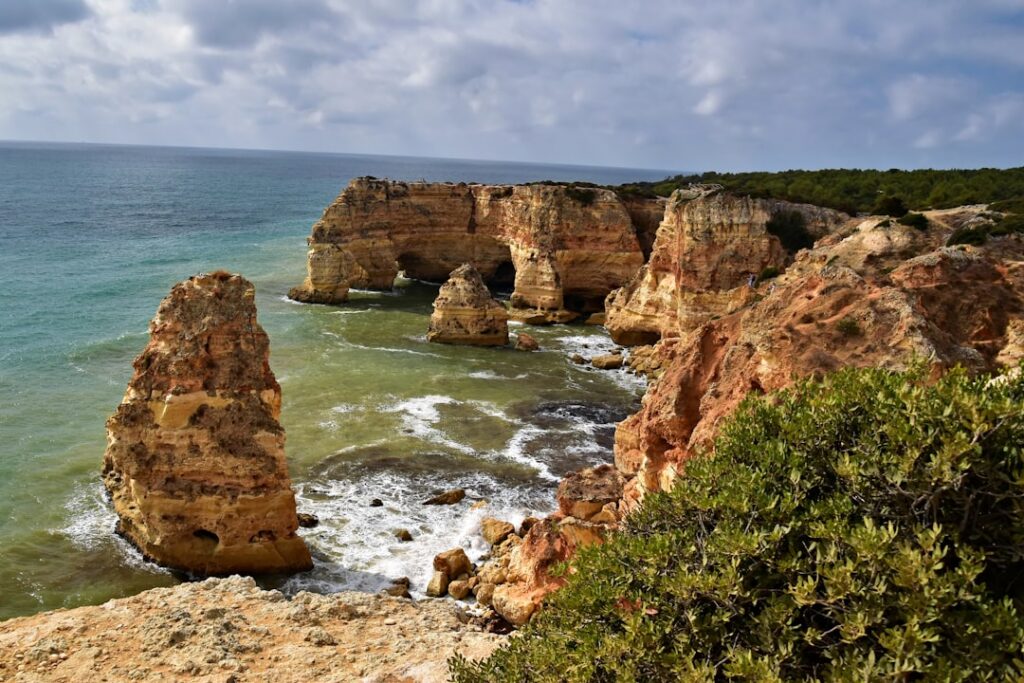
The Algarve, Portugal’s southernmost region, draws millions of visitors each year with its golden beaches, dramatic cliffs and whitewashed villages. Whether you fly into Faro Airport, arrive by ferry along the coast or drive in from Spain, getting your travel documents in order ahead of time is essential to avoid hassles and delays. This article is a practical, comprehensive and professional guide to the documents you’ll need to travel to the Algarve: passport, ETIAS (often mistakenly called the “European ESTA”), any required visas, insurance, international driving permits, health certificates and backup copies.
We cover verifiable information: passport validity rules, ETIAS costs and application steps, cases where a visa is required, and useful supplementary documents for your stay in the Algarve — travel insurance, proof of accommodation and car rental paperwork. You’ll also find practical addresses — airports, train stations, hospitals — along with indicative opening hours and prices for local travel. Rules can change, so double-check official sources (embassy, consulate, European Commission) before you travel.
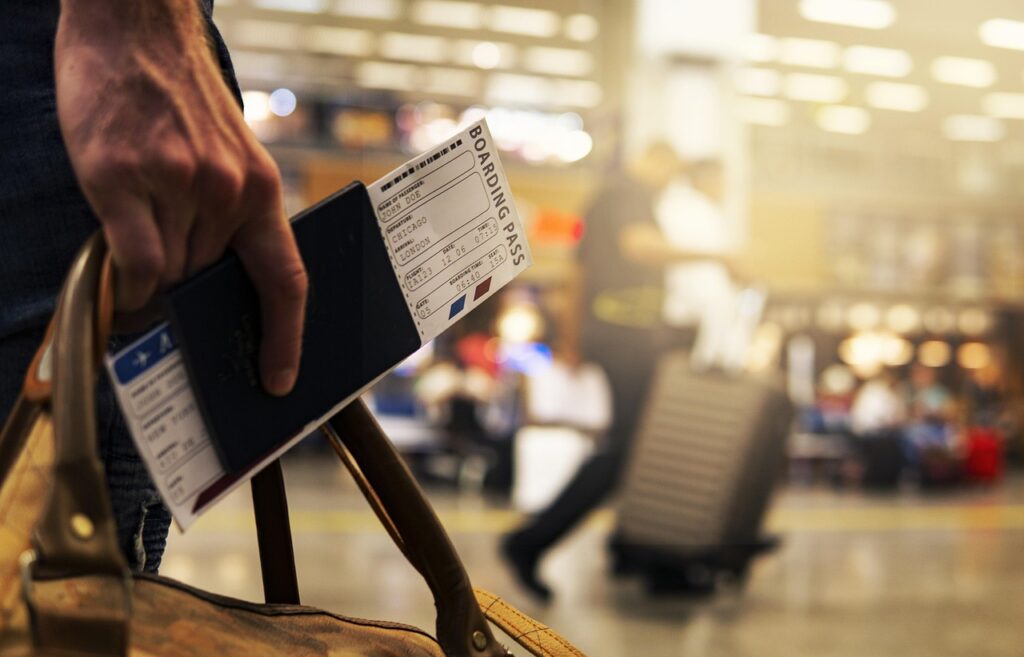
ETIAS, set up by the European Union, is often compared to the U.S. ESTA because it’s an electronic travel authorization aimed at passport holders who don’t need a visa. However, ETIAS is not a visa and does not replace passport or residency permit requirements. We’ll clarify who needs an ETIAS, how much it costs, how to apply online, and when a Schengen visa is still necessary. We’ll also explain how to present your documents at Portuguese border control (border police, passport control) — at Faro Airport — Aeroporto de Faro — as well as at train stations or border checkpoints.
Beyond paperwork, we share practical local tips for the Algarve: where to get certified photocopies, emergency contacts, seasonal traffic hotspots and best practices to avoid losing documents. This guide includes concrete reference points (addresses, opening hours, prices in euros) to help you prepare. Whether you’re traveling with family, solo or on business, the goal is to make your arrival and stay in the Algarve as smooth as possible.

Identity Documents and Passports for Entering the Algarve (Portugal)
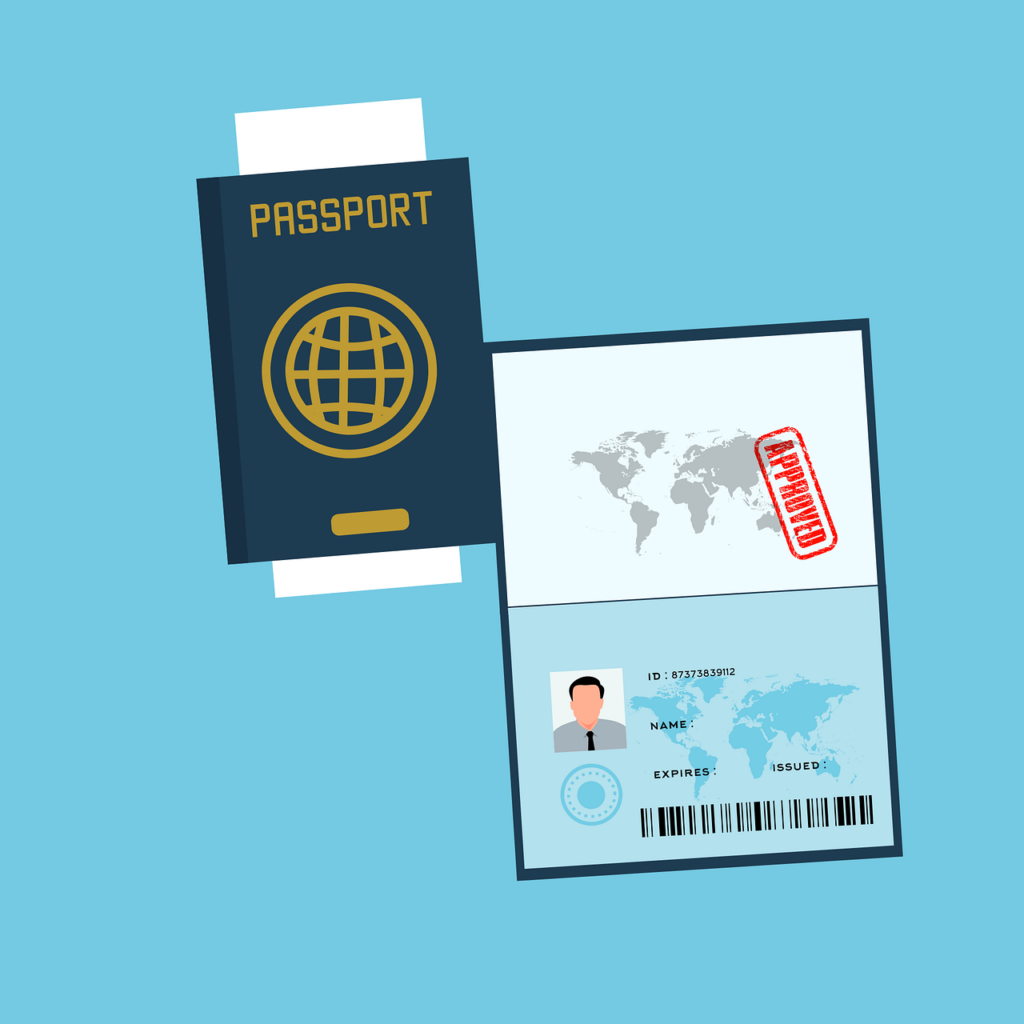
The most essential document for entering Portugal is a passport or, for European Union citizens, a valid national identity card. Here are the general rules every traveler should know:
- EU / EEA / Swiss citizens: A valid national ID card is sufficient to enter and stay in Portugal. Minors must also carry their own identity document.
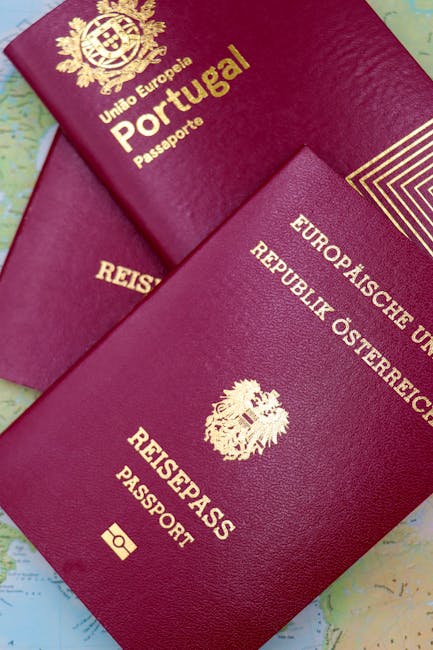
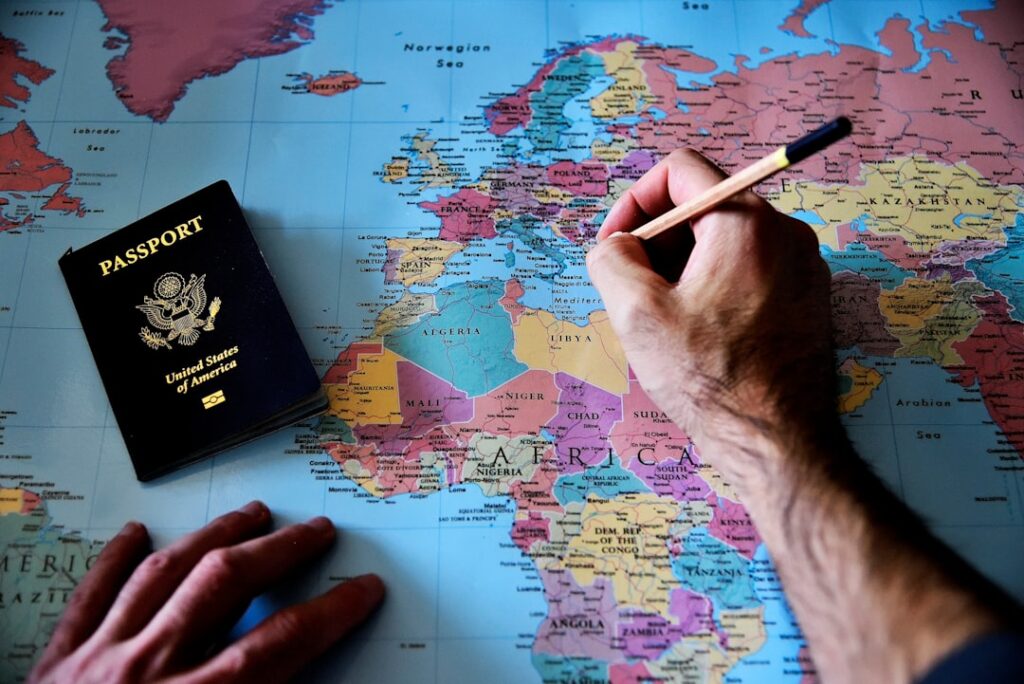
- Third‑country nationals: A valid passport is required. Under Schengen rules, your passport is generally expected to be valid for at least 3 months beyond your planned departure from the Schengen area and to have been issued within the last 10 years. Check your passport expiry date and renew if necessary.
Useful addresses in the Algarve:
- Aeroporto de Faro (Faro Airport) — Aeroporto de Faro, 8000-078 Faro, Portugal. The airport handles most international flights. Information desks and consular assistance are available; the airport is open 24/7, but information counters typically operate from around 06:00 to 23:00 depending on the season.
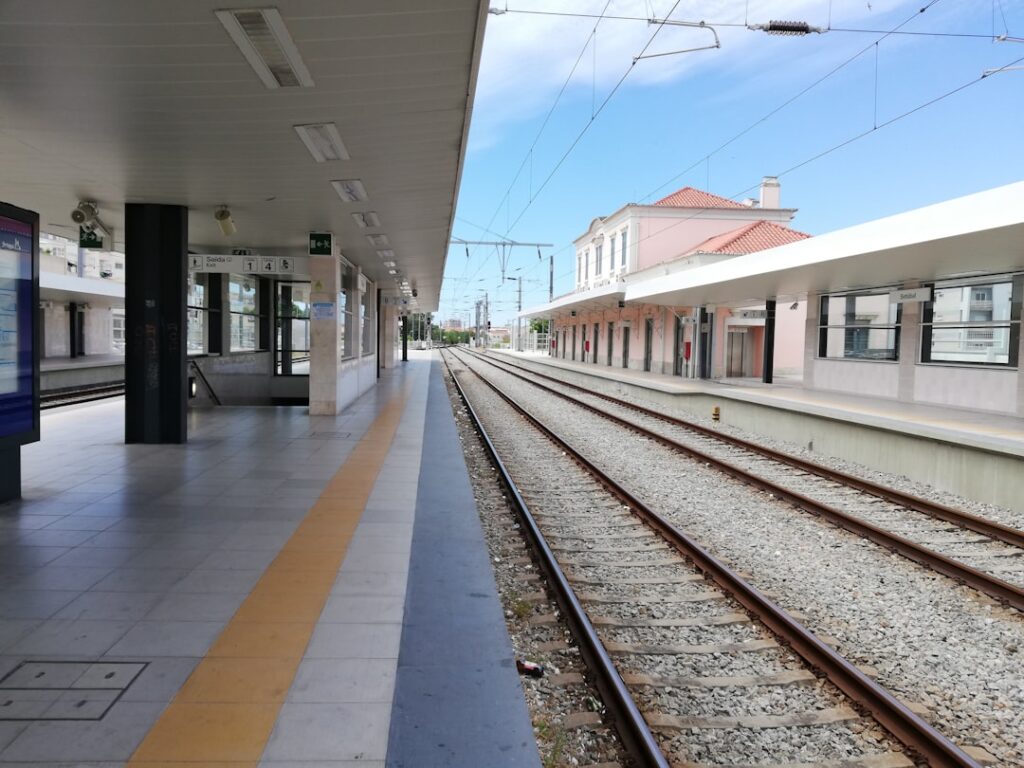
- Estação de Comboios de Faro (Faro train station) — Praça da Estação, 8000-157 Faro. Indicative hours: ticket offices 05:30–22:30, regional trains run frequently to Lagos and Lisbon. Indicative fares: Faro–Lagos from €8.50 in second class (prices vary by season).
Practical passport tips:
- Photocopies: keep both a paper copy and a digital copy (secure cloud) of your passport and ID card.
- Traveling with minors: bring a parental authorization if a minor is traveling with one parent or a third party (requirements vary by country of residence).
- If your documents are lost: contact your embassy or consulate immediately. In Faro, your country’s consulate (if present) or emergency consular services can assist. Contact details are available on official embassy websites.
ETIAS (the “European ESTA”): Who Needs It, Cost and How to Apply
Since 2024, the EU has implemented ETIAS (European Travel Information and Authorization System), often nicknamed the “European ESTA” by comparison to the U.S. system. ETIAS applies to citizens of third countries who are visa‑exempt for short stays in the Schengen area (tourism, business). It does not replace a passport and is not a visa — it’s a pre‑travel electronic authorization.
Who must apply for ETIAS?
- Nationals of visa‑exempt countries (for example: United States, Canada, Australia, Japan) who plan to travel to the Schengen area.
- Travelers of all ages: ETIAS applies to adults and minors alike.
- People holding a valid Schengen visa or residence permit do not need to apply for ETIAS.
Cost and validity:
- Fee: official ETIAS application fee is €7 for applicants aged 18–70. Minors and applicants over 70 may be exempt from the fee depending on current regulations.
- Validity: ETIAS authorization is generally valid for 3 years or until your passport expires, whichever comes first.
- Processing time: approval is often automatic and nearly instantaneous, but it’s recommended to apply at least 72 hours before departure. If manual checks are required, processing can take several days.
How to apply:
- Go to the official ETIAS website (search for “ETIAS official website” to avoid paid intermediaries).
- Complete the online form: personal details, passport information, travel plans, criminal history where applicable, and security questions.
- Pay the secure fee by card. Keep the digital receipt.
- You’ll receive the authorization by email; print a copy or keep a digital copy accessible.
Arrival checks: at Faro Airport (Aeroporto de Faro, 8000-078 Faro) you will need to present your passport, approved ETIAS and possibly a return ticket and proof of sufficient funds. Border officers (Polícia de Segurança Pública — PSP) may ask to see these documents at arrival control points.
Visas, Insurance, Driving Permits and Other Practical Documents
Visas: If your country is not on the Schengen visa‑exempt list, you must obtain a Schengen visa from the Portuguese consulate or embassy before you travel. Visa types vary (tourism, work, study). Fees depend on type and duration; a short‑stay Schengen visa commonly costs around €80 for adults (check the exact fee when applying).
Travel insurance:
- Health and repatriation insurance: Highly recommended. For Schengen visas, a minimum coverage of €30,000 for medical expenses is usually required. For ETIAS travelers, insurance is not legally mandatory but strongly advised.
- Cost: For a week in the Algarve, a basic travel insurance policy can range from €10 to €50 depending on age and options (cancellation, water sports cover, etc.).
Driving license:
- For short stays, a national driving license is usually accepted in the Algarve. An international driving permit (IDP) is recommended if your national license is not in the Latin alphabet or if the rental company requires it.
- Car rentals: common companies include Europcar, Avis, Sixt and Hertz — with desks at Aeroporto de Faro (Aeroporto de Faro, 8000-078 Faro) and city locations. Indicative rates: compact rentals from around €25–40/day in low season, with insurance and extras charged separately.
Proof of accommodation and funds:
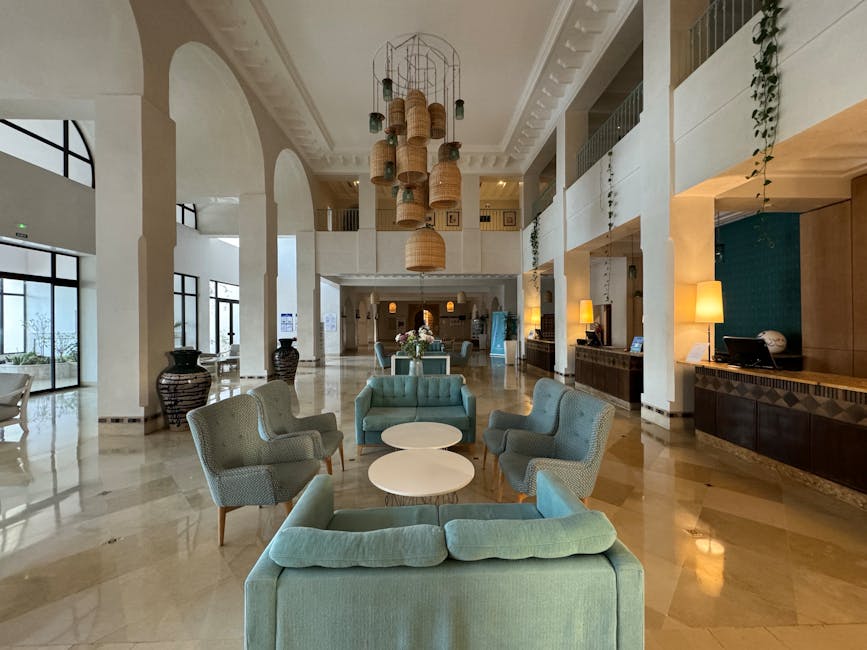
- Authorities may ask for proof of accommodation (hotel booking, rental agreement). Example: a reservation at « Hotel Faro & Beach Club, Rua Dr. Francisco Sá Carneiro 28, 8000-168 Faro » can be used as supporting documentation.
- Proof of sufficient funds: bank cards, cash and bank statements. There’s no fixed required amount, but having the equivalent of a few hundred euros per person is a sensible rule of thumb.
Health certificates and medical documents:
- Since the pandemic, some health measures can be reactivated: vaccination certificates or PCR/antigen tests. Check the rules shortly before you travel. At the time of writing there is no general testing or vaccination requirement for entry to Portugal for asymptomatic travelers, but the situation can change.
- If you require ongoing medical treatment, bring prescriptions and medical certificates (in English or Portuguese where possible).
Border Checks, Local Advice and What to Do in Case of Problems
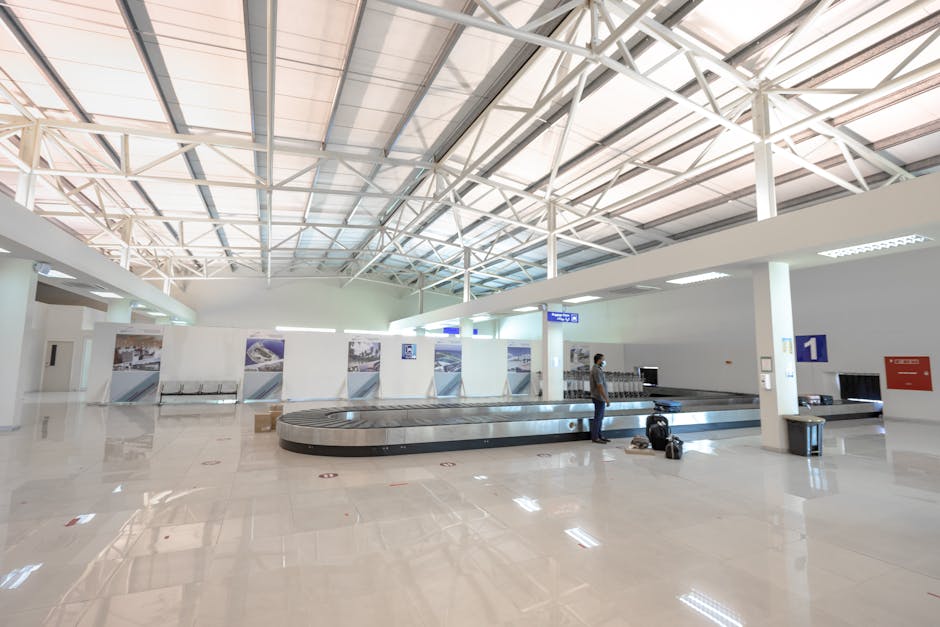
Border checks: on arrival in the Algarve (mainly via Aeroporto de Faro, 8000-078 Faro), you’ll pass through passport control and, where applicable, ETIAS verification. Officers may also ask for proof of the purpose of your trip (hotel bookings, return tickets) and evidence of sufficient funds. Queues rise sharply in peak season (July–August): allow at least 60–90 minutes from landing to exiting the airport.
Useful hours and contacts in the Algarve:
- Hospital de Faro — Centro Hospitalar Universitário do Algarve — Rua D. Francisco Gomes, 8000-307 Faro. Emergency department: open 24/7. Phone: +351 289 800 000 (check for the latest number before you go).
- Polícia Marítima — Lagos Port Authority — Avenida dos Descobrimentos, 8600-645 Lagos (maritime post; opening hours vary with tides and season).
- Estação Ferroviária de Lagos — Largo do Infante D. Henrique, 8600-681 Lagos. Ticket office hours approximately 06:00–22:00. Faro–Lagos fares from €8.50.
What to do if your documents are lost or stolen:
- Report the loss/theft immediately to the local police (Polícia de Segurança Pública — PSP). A police report is usually required for consular procedures and insurance claims.
- Contact your embassy/consulate: they can issue an emergency travel document or temporary pass to return home. Locate the nearest consulate before traveling. Opening hours vary; emergency consular services exist but are limited.
- Keep secure digital copies (e.g., encrypted cloud) and print a separate paper copy of originals.
Practical Tips for a Smooth Stay in the Algarve
To keep your trip to the Algarve stress‑free, follow these tried‑and‑true local tips:
- Start early: apply for ETIAS at least a week before departure to avoid administrative hiccups. Renew your passport several months before it expires if needed.
- Print your bookings: accommodation, flight tickets and car rental confirmations, and leave a copy with someone you trust at home.
- Health: pack a basic first‑aid kit and carry your original prescriptions. In emergencies, go to the Centro Hospitalar Universitário do Algarve (Hospital de Faro) or call local emergency services (112).
- Money: most restaurants and small shops prefer card payments, but keep some euros in cash for taxis and local markets. ATMs are available at the airport and main towns; withdrawal fees vary (around €1.50–3.50 per transaction depending on your bank).
- Car rental: make sure your insurance covers rentals in Portugal; photograph the car’s condition before you drive off. Rental desks are located at Aeroporto de Faro, Aeroporto de Faro, 8000-078 Faro.
- Follow local rules: always carry ID. Portugal requires residents and visitors to be able to identify themselves if stopped by police.

In high season, service hours change (more flights and extended desk hours). If you arrive late in the evening, book a hotel near the airport (e.g. Hotel Faro & Beach Club, Rua Dr. Francisco Sá Carneiro 28, 8000-168 Faro) or check official shuttle and taxi services (Faro Airport to downtown: about €10–20 depending on your destination).
Conclusion — Check, Prepare and Travel with Confidence to the Algarve
Traveling to the Algarve requires some straightforward but important administrative preparation: check your passport validity, apply for ETIAS if you’re eligible, or obtain a Schengen visa if your nationality requires it. Add practical documents that are often overlooked: travel insurance with repatriation cover, an international driving permit for car rentals, physical and digital copies of your papers and proof of accommodation. These steps will help you avoid unnecessary stress and surprises on arrival, especially during busy tourist periods.
In practice, note key addresses and opening hours for local services: Aeroporto de Faro (Aeroporto de Faro, 8000-078 Faro) for arrivals, Estação de Comboios de Faro (Praça da Estação, 8000-157 Faro) for regional rail links, and Hospital de Faro (Rua D. Francisco Gomes, 8000-307 Faro) for medical emergencies. Keep your embassy or consulate contact details handy and a copy of your police report if you’ve been a victim of theft. The prices quoted (ETIAS €7, train tickets from €8.50, car rentals from €25–40/day) are indicative and may vary by season and provider.
Finally, adopt simple habits on the ground: keep a photocopy of your documents, back up your paperwork to the cloud, respect local rules and allow extra time for arrival checks. Follow these recommendations and you’ll enjoy the Algarve — its beaches and towns like Lagos, Tavira and Faro — with peace of mind and ready to explore. Safe travels and enjoy your stay in the Algarve!