





Introduction — Beaches, Cliffs & Weather: Why the Algarve Deserves Year-Round Attention
The Algarve, Portugal’s southernmost region, is famed for golden beaches, wave-carved cliffs and a climate that draws visitors throughout the year. This seasonal guide aims to give you practical, detailed insight into the Algarve coastline: where to go by season, which beaches to favor, how to beat the crowds, what weather precautions to take, and which services (parking, guided tours, museums) to know about. We also cover access points, opening hours, prices in euros and local tips to help you make the most of every moment on the shore.
The Algarve stretches across roughly 150 km of coastline, from the Ria Formosa in the east to Cabo de São Vicente in the west, offering a wide variety of landscapes: broad sandy beaches, tiny coves reached by stairs carved into rock, sea arches and caves, ochre cliffs and wind-swept headlands. The weather, while generally mild, varies with the season and location (the south coast is more sheltered, the west coast more exposed to the Atlantic). Understanding these microclimates helps you choose the best beach for your activities (swimming, surfing, hiking, photography) and anticipate the gear you’ll need (sunscreen, windbreaker, hiking shoes).
This guide is aimed at a broad audience: families seeking calm, lifeguarded beaches; couples hunting romantic sunset views; photography lovers and hikers eager to explore cliffs. It includes practical information — exact addresses, access times, parking and activity rates — and local safety advice (currents, beach flags, tides). We also suggest complementary visits such as boat trips to Benagil Cave, Fortaleza de Sagres or Cabo de São Vicente. Routes, must-stop points and off-season alternatives are detailed so you can plan a successful visit, whether during peak summer or in the milder but windier winter.
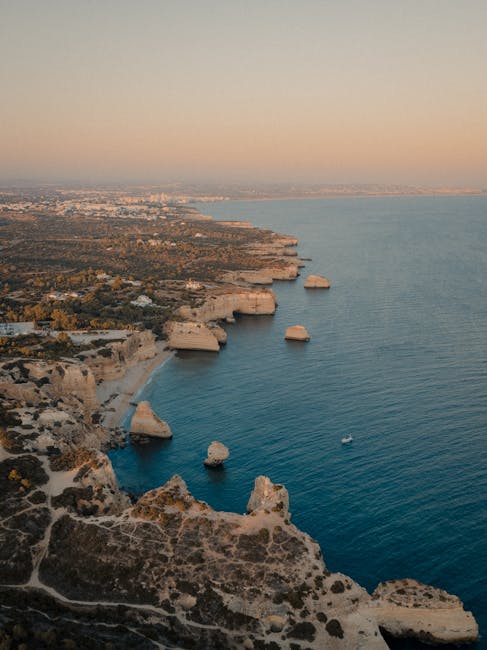
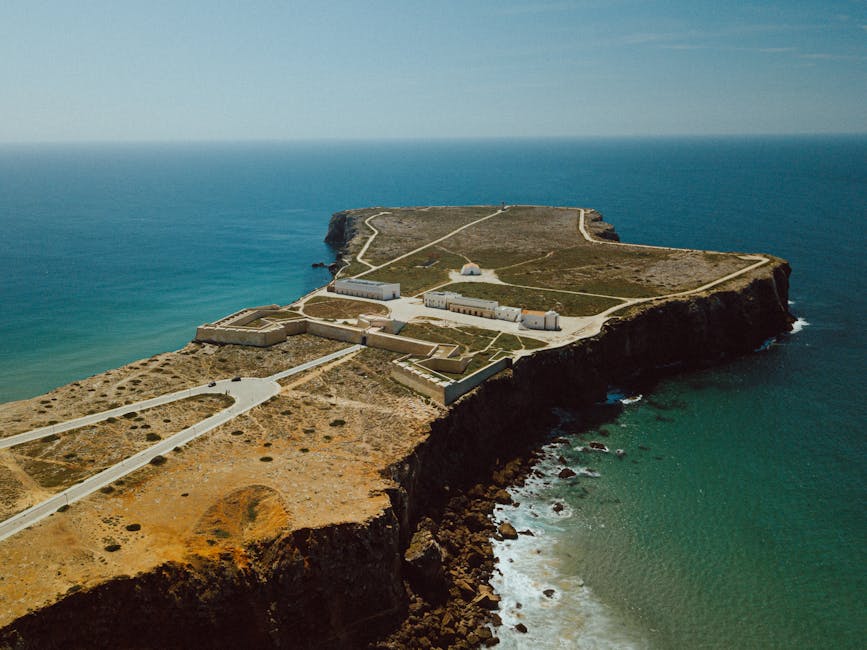
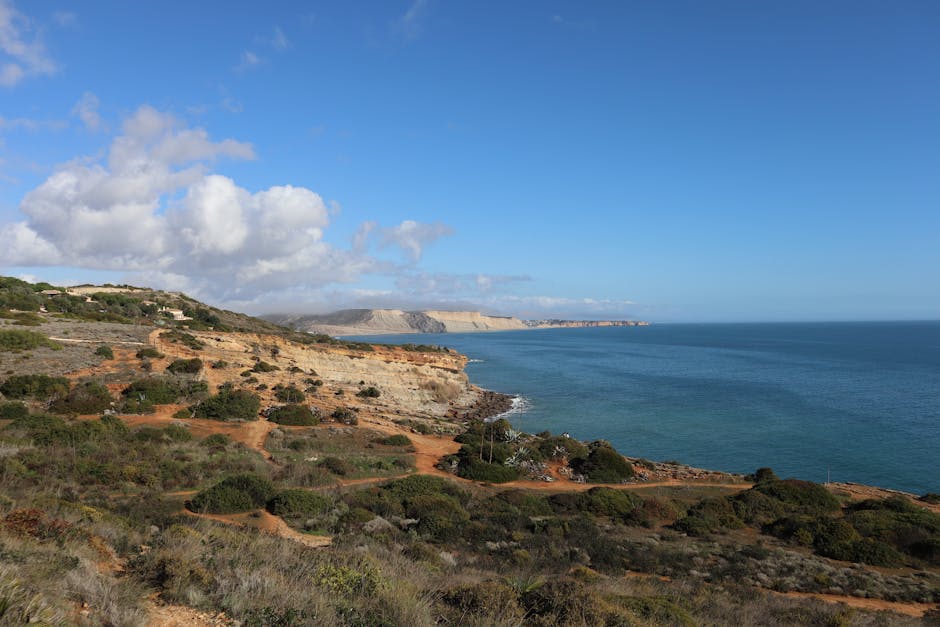
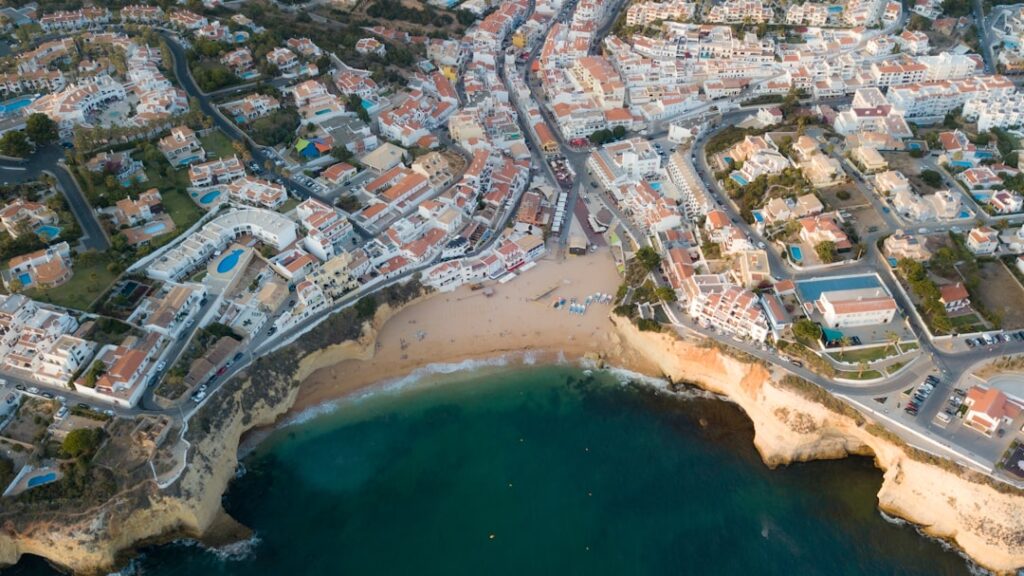
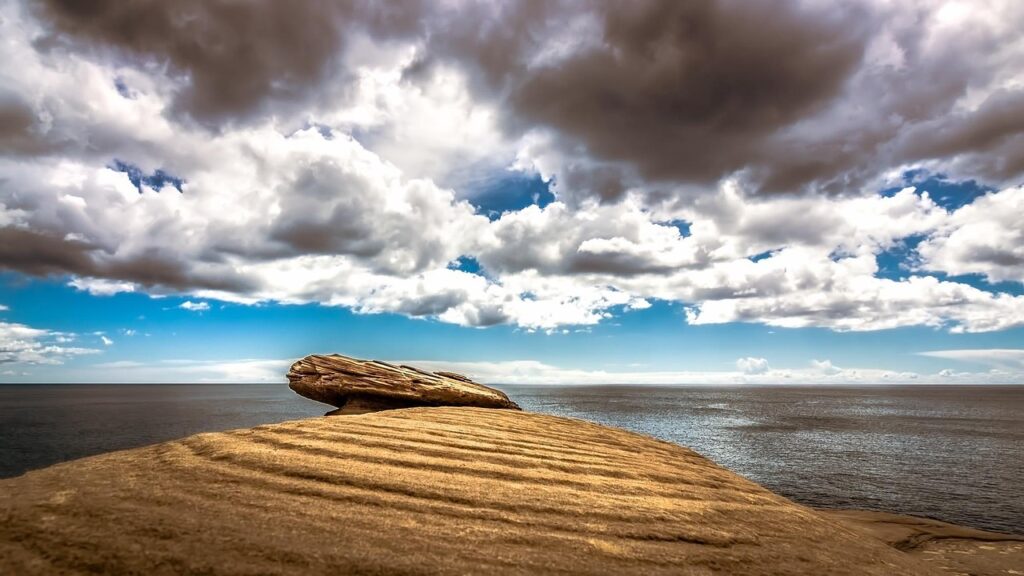
To enrich the read, this guide features visual markers 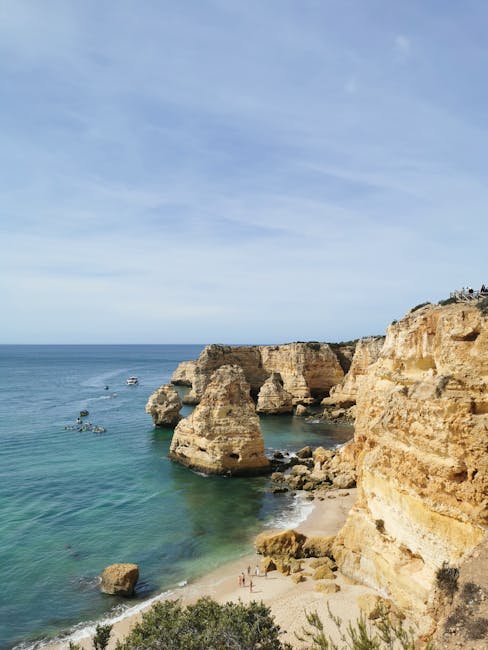 ,
, 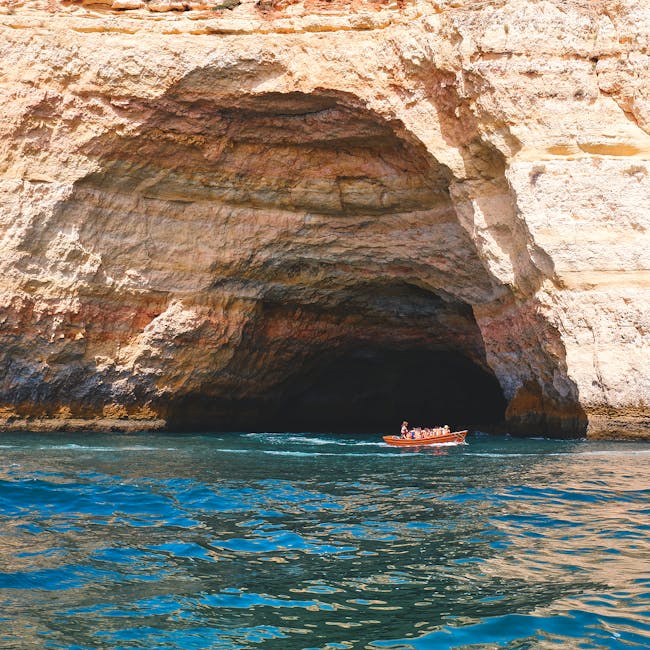 and other imagined images to spark your photographic inspiration. The immersive descriptions will help you picture the sand beneath your feet, the taste of salty air and the shifting light of the Atlantic. Ready to navigate cliffs, secret coves and seasonal weather tips? Follow the guide.
1) Central coast (Lagoa, Carvoeiro, Albufeira): Iconic Beaches, Access & Seasonal Tips
The Algarve’s central coast around Lagoa, Carvoeiro and Albufeira is renowned for dramatic rock formations and postcard-worthy beaches. Highlights include Praia da Marinha, Praia de Benagil (Benagil Cave) and Praia dos Careanos. These spots mix swimming, cliff walks and boat excursions. Most beaches in summer are reachable via paid or free nearby parking, and tourist services operate boat and kayak trips.
Praia da Marinha — The Algarve Postcard
Address: Praia da Marinha, 8400-421 Lagoa, Portugal. Access: On-site parking (Parque da Praia da Marinha) — often paid in summer, around €3–€5/day; access via stairs down from the headland.
Hours: Beach accessible 24/7; parking may be closed at night depending on season. Cost: beach access is free. Boat tours around the cliffs average €20–€30 per adult (45–60 minutes), offered by local operators from Carvoeiro Marina (seasonal departures also available from Portimão Marina).
Praia da Marinha is small but spectacular, tucked between ochre cliffs and turquoise waters. Its natural arch, rock cavities and ledges provide perfect vantage points for sunrise and sunset photography. In high season (July–August), go early morning or late afternoon to avoid crowds and take the coastal trails (PR1 ALG walking path) for panoramic views. Note that swimming can be dangerous when strong west winds blow: watch the beach flags.
Praia de Benagil — The Famous Cave
Address: Praia de Benagil, 8400-411 Carvoeiro, Lagoa, Portugal. Access: Paid public parking nearby (Rua do Farol / Benagil car park) — about €2–€5/hour in summer; access to the beach via a steep staircase.
Hours: Beach accessible 24/7; boat excursions generally run between 9:00 and 18:00 (hours vary by season). Cost: Boat tours to Benagil Sea Cave: roughly €25–€35 per adult for a standard 45–60 minute trip. Guided kayak: often €35–€50 for 2–3 hours.
Benagil Cave (Algar de Benagil) is a spectacular sea cave with a natural oculus that lets in light. Access is mainly by boat or kayak; swimming in on your own is risky due to currents and boat traffic. Book an early-morning trip for photos with fewer people. Recommended operators include AlgarExperience and Benagil Sea Cave Tours (departures from Benagil Beach or Portimão depending on season).
Local tips for the central coast
– In summer, aim for beach departures before 10:00 or after 17:00 to avoid heat and crowds. – Bring water and strong sun protection: the sun is intense. – Beach car parks fill up quickly: consider carpooling or shuttles that run in July–August. – Respect coastal bird nesting areas in spring; some beaches may be partially closed.
2) West coast (Sagres, Vila do Bispo, Cabo de São Vicente): Exposed Cliffs & Atlantic Weather
The west coast around Sagres and Cabo de São Vicente is for those who want dramatic ocean panoramas, towering cliffs and wind-swept beaches. Here the Atlantic shows its power: big waves, strong currents and rapidly changing weather. It’s perfect for surfers, bodyboarders and lovers of wide-open spaces, but it demands caution and respect for safety rules.
Cabo de São Vicente — The Edge of the Continent
Address: Cabo de São Vicente, Estr. do Cabo S. Vicente, 8650-229 Vila do Bispo (Sagres), Portugal. Access: Public parking (free depending on season); surrounding areas accessible on foot from Sagres.
Hours: Natural site open 24/7. The lighthouse (Farol do Cabo de São Vicente) is managed by the maritime authority and isn’t always open to the public; occasional visits may be offered by the Associação de Amigos do Farol — check locally. Cost: site access is free. Nearby fortress (Fortaleza de Sagres): Address: Estrada da Boca do Rio, 8650-360 Sagres — Hours: typically 9:30–18:00 in high season, 9:30–17:00 off-season; Entrance fee: about €3–€8 depending on exhibitions.
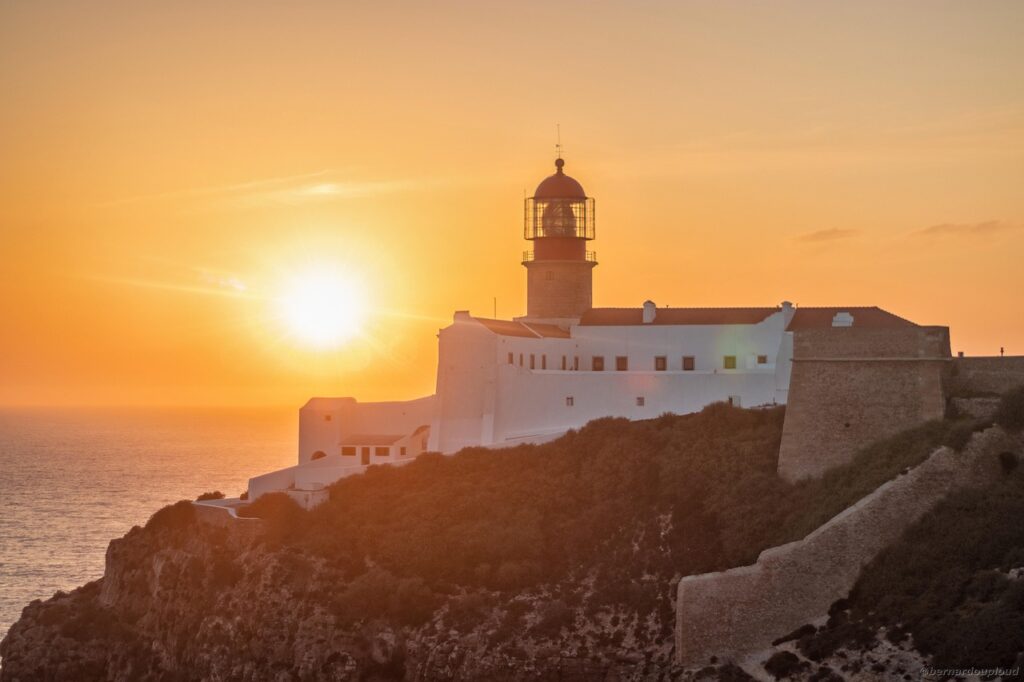
Cabo de São Vicente is one of Europe’s most spectacular points. Cliffs drop dramatically into the ocean and offer incredible sunset views. Beware: winds can be strong, especially from autumn through spring, and cliff-edge paths can be slippery after rain. Wear closed shoes and stay behind barriers where present. Swimming conditions are usually difficult; choose sheltered beaches for swimming.
Praia do Tonel and Praia da Mareta — Surf & Wild Vibes
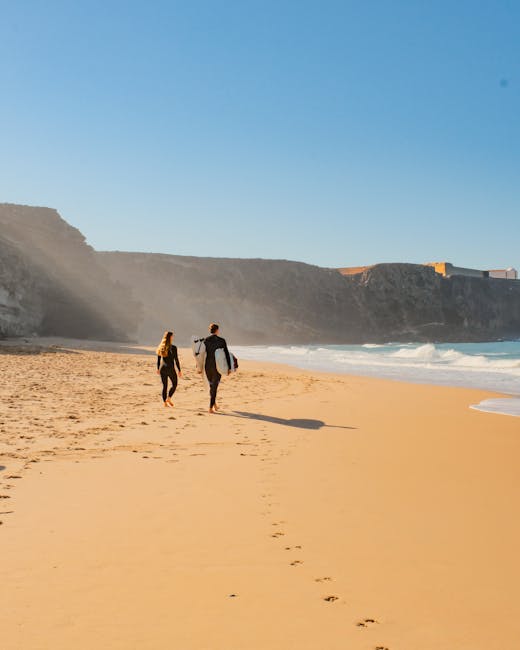
Praia do Tonel (Praia do Tonel, 8650-357 Sagres) is a west-facing beach popular with surfers. Nearby parking is free but limited; access via steep stairs. Hours: beach accessible 24/7; be aware of strong currents. Cost: free. Surf schools: plentiful in Sagres — lessons from €25–€35 for a 1.5-hour beginner session.
Praia da Mareta (Praia da Mareta, 8650-357 Sagres) is more sheltered than Tonel and suitable for families with children when the sea is calm. It’s a 10–15 minute walk from central Sagres or a short drive. Beach facilities are limited outside peak season.
Weather & safety tips for the west coast
The west coast is prone to Atlantic low-pressure systems, especially from October to March: strong winds, high swell and frequent rain. Check local forecasts each morning (recommended sites: IPMA.pt, Windy.com) and obey beach flags: red = no swimming, orange/yellow = caution. Lifeguards are present on some beaches only in summer. For cliff hikes bring a windproof jacket, trail shoes and water; avoid cliff edges during big waves. Photographers will find dramatic scenes here, especially at sunset behind the lighthouse.
3) East coast & Ria Formosa (Faro, Olhão, Tavira): Lagoons, Barrier Islands & Milder Weather
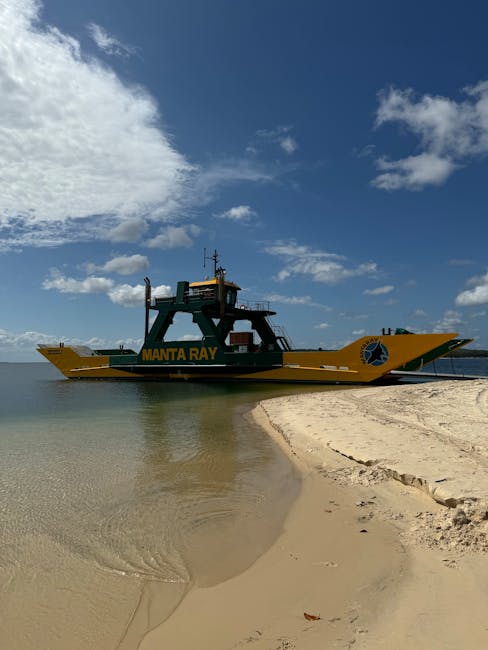
The eastern Algarve, including the Ria Formosa between Faro and Tavira, contrasts strongly with the west: calm waters, sheltered lagoons, long sandy beaches. This area is ideal for families, birdwatchers and those seeking relaxed walks. The barrier islands (Ilha da Culatra, Ilha da Armona, Ilha de Tavira) are reachable by ferry and offer long, virtually uninterrupted stretches of sand.
Ilha de Tavira — Endless Sand & Ferry Access
Ferry terminal address: Cais de Tavira, 8800-329 Tavira, Portugal. Hours: Tavira-Island ferries usually run between 8:30–19:00 (seasonal timetable). Cost: roundtrip about €3–€6 per adult depending on season and operator.
Ilha de Tavira offers a long beach that’s almost deserted outside peak times. The sand is fine and the water shallow near the shore, ideal for children. There are a few kiosks and seasonal restaurants (churrasqueiras). Campgrounds and small pensions allow overnight stays for calm mornings. In low season many services close; check ferry timetables before planning a full day.
Ria Formosa Natural Park — Biodiversity & Local Weather
Ria Formosa visitor center address: Núcleo da Ria Formosa, Avenida da República, 8000-078 Faro, Portugal. Hours: usually 9:00–17:00 (season and exhibitions vary). Cost: some exhibits are free; guided tours or boat trips range between €10–€25.
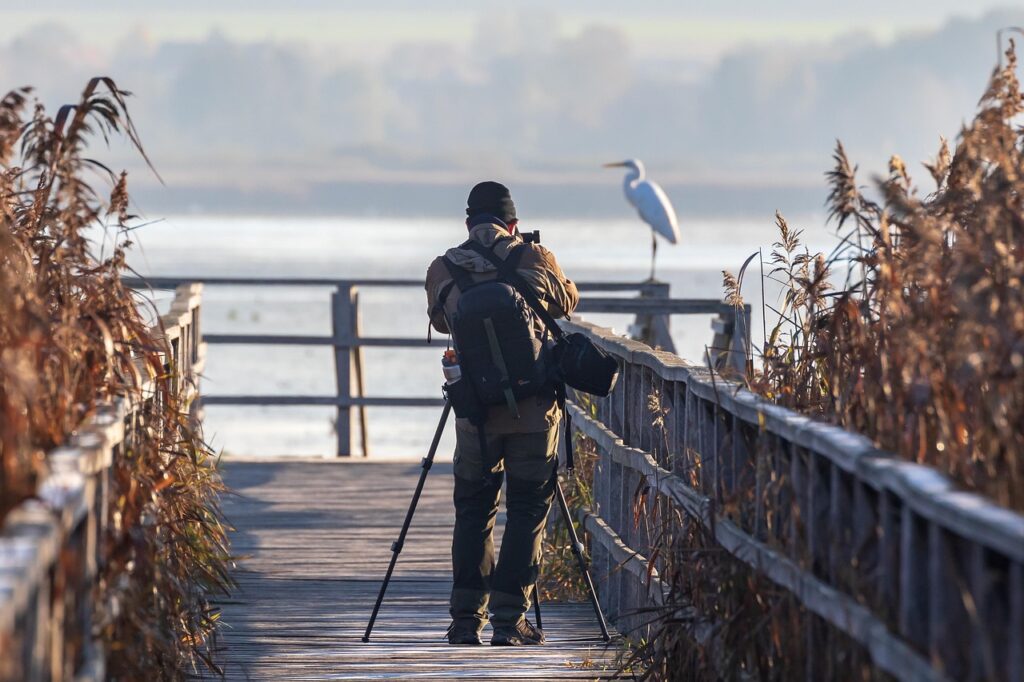
The Ria Formosa is an ecosystem of lagoons, islands and channels richly populated by birds. Days here are often calmer than on the west coast, with light winds and moderate temperatures. It’s an excellent choice in spring and autumn for migratory birdwatching and kayak excursions. Tides strongly influence intertidal walks: consult tide timetables to avoid getting stranded on isolated sandbars.
Practical tips for the east coast
Choose morning ferries to dodge crowds. Bring binoculars for birdwatching and a hat for the sun, as shade is scarce on the islands. Local restaurants serve excellent seafood (budget €15–€30 per person for a full meal at a local spot like Restaurante Brisa do Rio in Tavira). For swimming, check water quality notices posted by Faro municipality in summer.
4) Season by Season: Weather, Crowds & Recommended Activities
To get the most from the Algarve coasts, tailor your activities to the season. Each season has charms and constraints; here’s a detailed overview with recommendations and practical tips.
Spring (March–May) — Landscapes Wake Up & Mild Weather
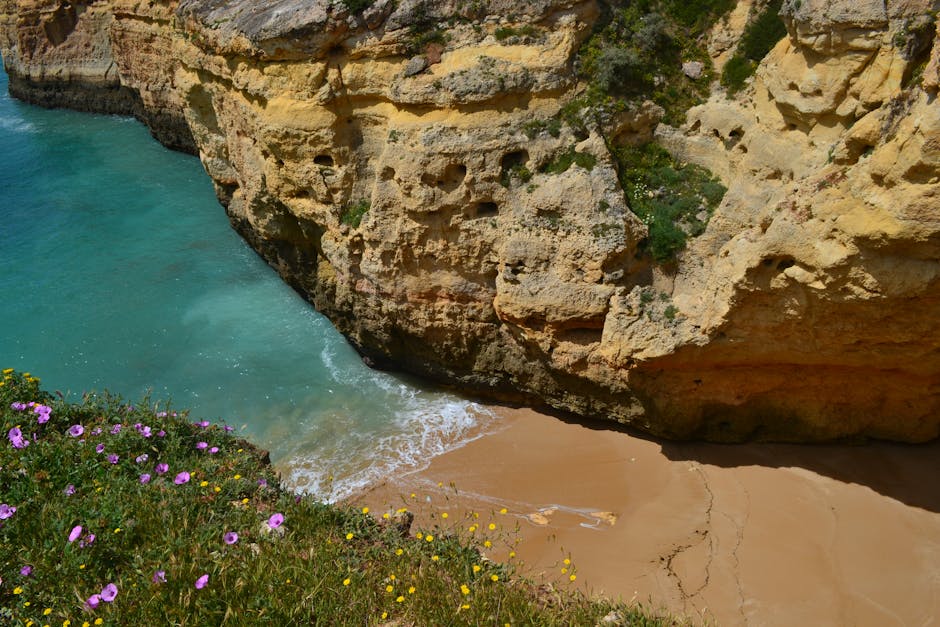
Spring is a prime time: pleasant temperatures (averages 16–22°C), blooming vegetation and manageable crowds. Days lengthen and the sea starts warming. It’s ideal for cliff hikes (PR trails), birdwatching in the Ria Formosa and exploring sea caves by kayak. Surf schools often run beginner courses with attractive off-season rates (lessons from €30).
Summer (June–August) — High Season, Full Services
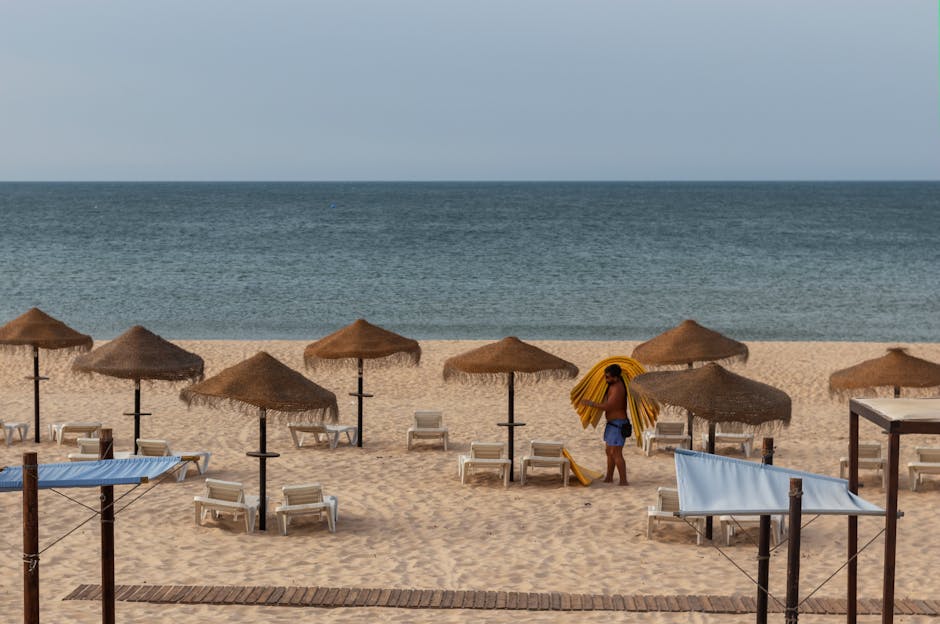
Summer brings heat, long days and warm seas (averages 22–26°C). Festivals are underway and services run at full capacity: lifeguards on most beaches, umbrella and sunbed rentals (around €6–€12/day), frequent boat excursions. Expect full car parks and higher accommodation prices. Book Benagil tours and island ferries in advance. Tourist restaurants offer wide menus, but favor local tascas for authentic food and better prices (€8–€18 per dish).
Autumn (September–November) — Mild Weather & Dramatic Swells
In autumn the water stays warm enough for swimming in September and early October. Waves pick up from October, attracting surfers. Temperatures cool gradually (averages 15–22°C), crowds thin and prices drop. It’s a great time for photographers and hikers seeking a quieter atmosphere. Bring a windproof jacket for cliff evenings.
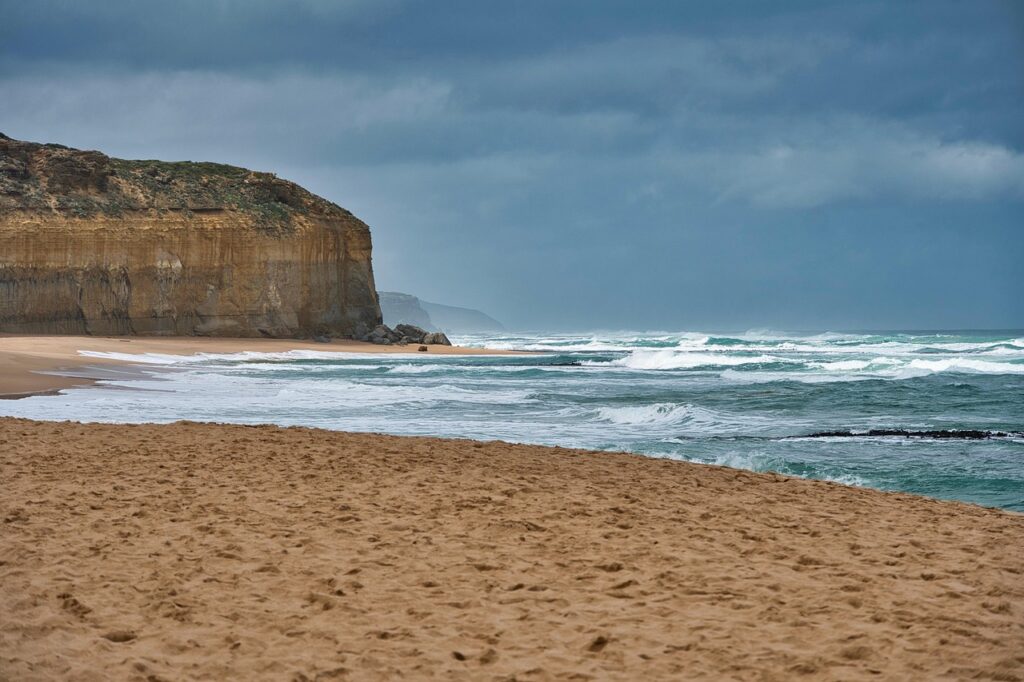
Winter (December–February) — Quiet, Hiking & Variable Weather
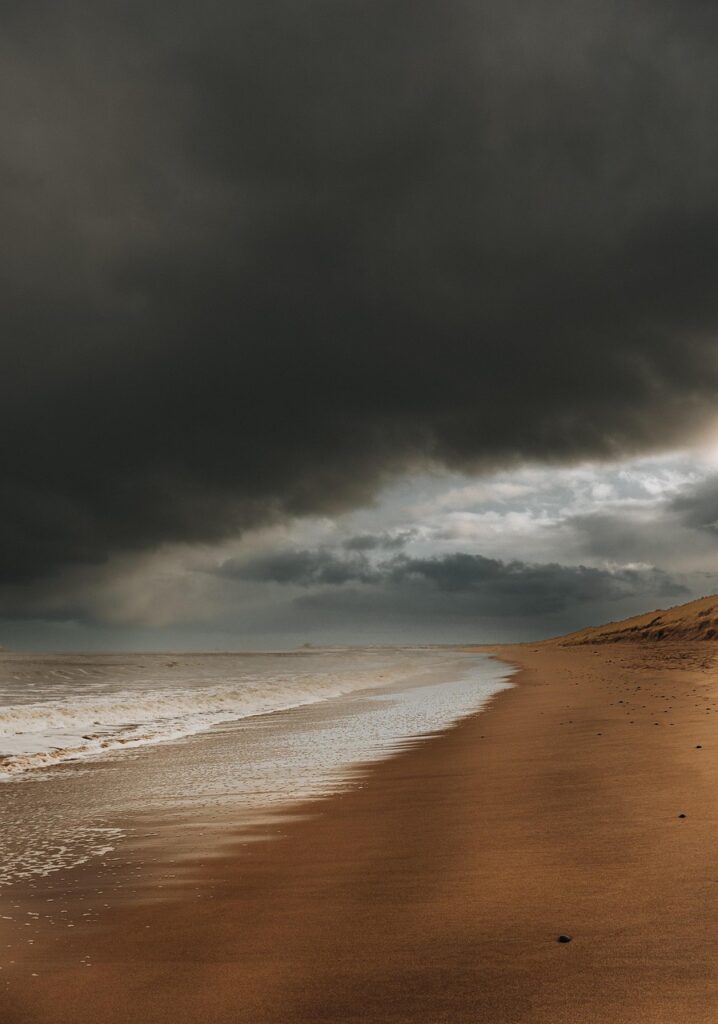
Winter is mild but wetter and windier. Temperatures range from 10–16°C. Many tourist facilities reduce hours, but you’ll still find cafés and some restaurants open in towns (Faro, Lagos, Tavira). Beaches are nearly empty and perfect for reflective walks. Watch for occasional Atlantic storms that can make access to some areas dangerous — check with local tourism offices before coastal hikes in uncertain weather.
Seasonal practical tips
- Booking: in summer, reserve boat excursions and accommodation weeks in advance.
- Clothing: pack layers: a daytime tee, a light jacket and a windbreaker for evenings and cliffs.
- Safety: learn Portuguese beach flags and respect them; do not enter the water on a red flag.
- Transport: a car makes accessing remote beaches easier; check ferry timetables off-season.
5) Practical Services, Typical Costs & Local Tips to Optimize Your Visit
To fully enjoy the Algarve coasts, it’s useful to know available services, average costs and a few local hacks. Here’s a practical summary to help plan your shoreline days.
Transport & parking
The road network is well developed; however, in peak summer traffic and parking can be challenging. Beach car parks: many are municipal and can be paid. Examples:
- Praia da Rocha Parking — Avenida Tomás Cabreira, 8500-802 Portimão : €3–€8/day in summer.
- Praia da Marinha Parking — 8400-421 Lagoa : €3–€5/day.
- Benagil Car Park — Rua do Farol, 8400-411 Carvoeiro : seasonal hourly rates €2–€5/hour.
Boat trips & water activities
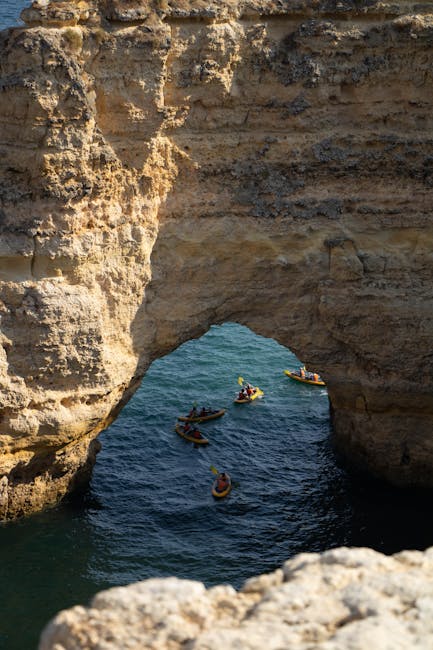
Boat trips to caves and arches usually cost between €20 and €40 per adult. Kayaking or stand-up paddle (SUP) excursions to explore the coast and caves average €25–€50 for a half-day. Recommended operators include AlgarExperience (Lagoa), Benagil Sea Cave Tours (Carvoeiro) and Portimão Boat Trips. Check weather conditions and safety guidance before departure; many operators cancel if the sea is rough.
Food & accommodation
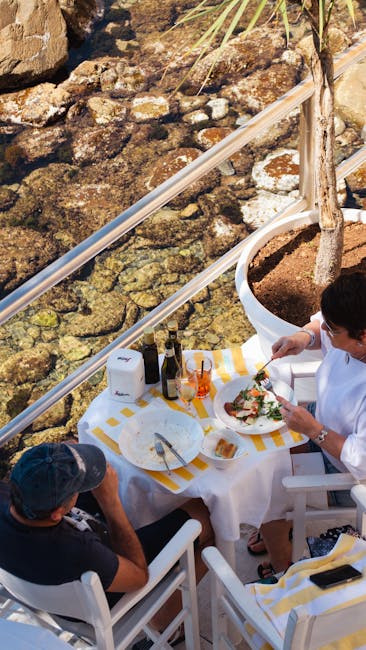
Local cuisine centers on seafood: cataplana de peixe, grilled sardines, arroz de marisco. Price guides: a main course in a standard restaurant €10–€20, tourist menus €12–€25. For an authentic experience look for village tascas (menus in Portuguese but typically simple and tasty).
Accommodation: in high season, budget €80–€200/night for a 3–4 star hotel in tourist areas. Holiday apartments and homes (Airbnb, Booking) can be cheaper alternatives, especially for families and longer stays.
Local tips
- Arrive early to score a good spot on popular beaches and to photograph morning light.
- Buy water and supplies before reaching small beaches: kiosks are often closed off-season.
- Respect signs and protected areas — some bird species’ breeding leads to temporary beach closures.
- Use water shoes for rocky coves and hiking shoes for cliff paths.
Conclusion — Planning Your Stay Between Beaches, Cliffs & Weather
Exploring the Algarve coasts means moving from an iconic beach to a secluded cove, from a peaceful lagoon to Atlantic-battered cliffs. This guide has given you a practical map of must-see places (Praia da Marinha, Benagil, Cabo de São Vicente, Ria Formosa), along with exact addresses, price pointers and opening times to plan your days. Weather is a major factor: it often dictates which beach will suit you best — the west for dramatic waves and surfing, the east for calm waters and families, the center for photogenic rock scenery and boat trips.
Seasons shape the experience: spring and autumn offer mild, peaceful conditions ideal for hiking and photography; summer guarantees full services and warm swimming; winter delivers quiet, introspective landscapes and dramatic scenes during Atlantic storms. Practically, book popular tours (Benagil, ferries to Ilha de Tavira) early in high season, check forecasts via IPMA and Windy, and always follow beach safety instructions. Pack appropriate clothing (windbreaker, closed shoes), sunscreen, water and a flexible mindset — the weather can change fast.
Finally, adopt local good practices: favor small restaurants for authentic cuisine, respect protected zones and support responsible operators who help conserve marine ecosystems. Whether you’re after lazy beach days on warm sand, cliff-top hikes or powerful surf sessions, the Algarve offers a coastal palette that shifts with the seasons. Use this information to plan your trip and the Algarvian coast will reward you with unforgettable memories — light, sea and rock blending into a unique harmony.