




Introduction: Understanding Portugal’s migration rules when visiting the Algarve
The Algarve, with its golden cliffs, pristine beaches and whitewashed villages, draws hundreds of thousands of international visitors every year. But beyond the postcard views lie migration rules and administrative steps you should know to avoid headaches during a short stay or a temporary move to the region. This guide explains, in practical terms, the main entry requirements, permitted lengths of stay and administrative formalities that concern Algarve visitors — whether you’re a short-stay tourist, someone wanting to extend your trip, a seasonal worker or a student.
We cover entry conditions by nationality (Schengen area, post‑Brexit UK, third countries), short‑stay and long‑stay visas, registration procedures, local institutions (with addresses and opening hours) in the Algarve, plus indicative costs and typical processing times. You’ll also find practical tips for border checks at Faro Airport, which documents to keep handy, and best practices if stopped by the Polícia de Segurança Pública (PSP) or the Serviço de Estrangeiros e Fronteiras (SEF).
This guide is written in an informative, professional tone and takes into account Algarve realities: offices in Faro, Loulé, Portimão and Tavira that are reachable from major tourist hubs like Albufeira, Lagos and Vilamoura. Exact addresses, usual opening hours and typical fees are provided to make your procedures easier. Note that rules change: it’s always recommended to consult official websites (SEF, Ministério dos Negócios Estrangeiros) before you travel. The guide also includes local tips — for example, when to avoid going to SEF for simple matters, where to find a certified translator, and how to secure a quick appointment.
Visas and entry requirements for Algarve visitors
Portugal’s entry rules depend mainly on your nationality. Citizens of a Schengen country (EU, EEA, Switzerland) can enter and stay without a visa for up to 90 days, needing only a valid ID. For UK nationals, since the end of the transition period, tourist stays are limited to 90 days within any 180‑day period without a visa; a valid passport is essential. Visitors from non‑Schengen countries generally need a short‑stay Schengen visa (type C) for stays up to 90 days.
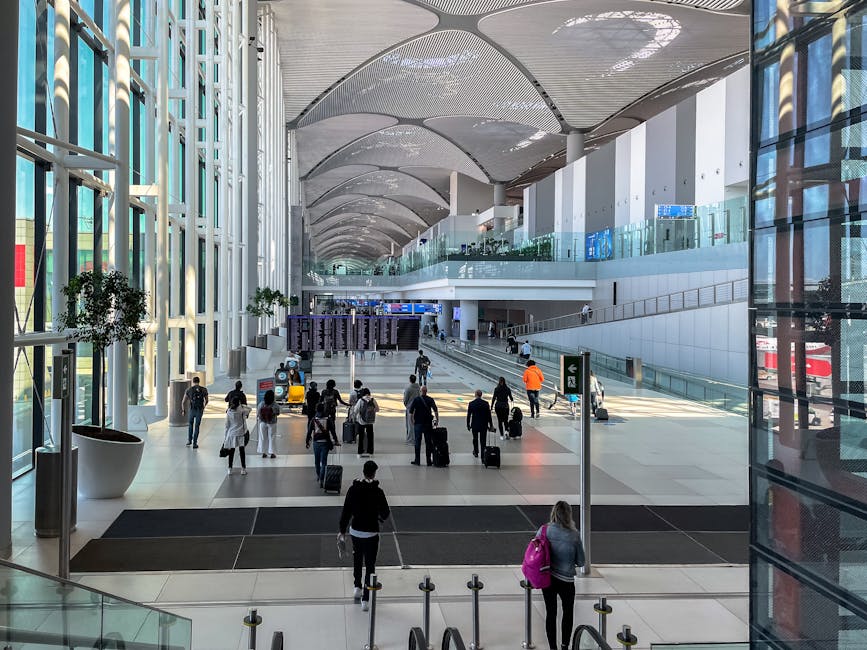
A Schengen visa (approx. €80 for adults, indicative at time of writing) is obtained via Portuguese consulates or designated diplomatic representations. Long‑stay visas (visa D) for work, study or family reunification must be applied for in advance at the Portuguese consulate in your country of residence, with fees that vary (typically €90–€120 depending on the visa type). A common entry point for the Algarve is Faro Airport (Aeroporto de Faro, Estrada da Penina, 8005‑901 Faro) where border controls operate: arrival desks are generally open around the clock according to flight schedules, but expect queues in high season.
Practical tip: always carry originals of your passport, visa (if applicable) and proof of accommodation (hotel reservation or lease). Airbnb or hotel bookings should show names, full addresses and booking reference numbers. Authorities may also ask for travel medical insurance covering at least €30,000 for third‑country nationals. If you plan to extend your stay beyond 90 days (or convert a tourist visa to another status), contact the nearest SEF office to learn the specific procedures and appointment availability.
Local registration and administrative services in the Algarve
Once you’re on the ground, some procedures are handled locally. If you’re staying for a longer period, it’s advisable to register with municipal services and know where to go in person. In Faro, for example, the Loja do Cidadão de Faro (Loja do Cidadão de Faro, Avenida Calouste Gulbenkian 60, 8000‑312 Faro) provides ID card issuance, certificates and general information: usual hours are Monday to Friday, 09:00–17:00, closed at weekends. For immigration‑specific matters, SEF (Serviço de Estrangeiros e Fronteiras) is the competent authority; appointments are booked online on the official site, and regional offices can provide in‑person assistance.
Other useful offices in the Algarve:
- SEF unit in Faro — reference address: Praça da República 1, 8000‑261 Faro. Opening hours: by appointment, typically 09:00–16:00 Monday to Friday. Costs: fiscal stamps and file fees vary (from about €90 to €300 depending on the service).
- Câmara Municipal de Loulé — Câmara Municipal de Loulé, Praça da República 26, 8100‑229 Loulé. Hours: 09:00–16:30, Monday to Friday. Services: local support for residents, information on municipal taxes.
- Loja do Cidadão de Portimão — Rua do Comércio 18, 8500‑709 Portimão. Hours: 09:00–17:00.
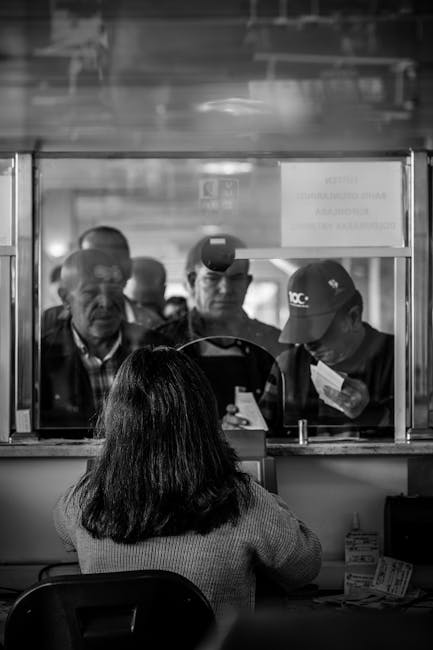
Practical details: the Loja do Cidadão is a one‑stop counter — you can get document duplicates, information on the national ID register and services related to social security. At SEF, immigration procedures (residence permit applications, extensions, registration of seasonal workers) often require the applicant’s physical presence. Wait times can range from a week to several months depending on the season. Local tip: during high season, book the earliest appointments and note that some municipal offices close for lunch between 12:30 and 14:00.
Work permits, study visas and advice for seasonal workers
If you plan to work in the Algarve — seasonal jobs in hospitality, restaurants or as a tour guide — you must follow employment rules for non‑residents. EU/EEA/Swiss citizens don’t need a work permit, but must register to access social security if their stay exceeds three months. Workers from third countries must secure a work visa (visa D for work) from the Portuguese consulate before arrival; the employer in the Algarve will usually need to submit a job offer and supporting documents to SEF.
Useful addresses for workers:
- Serviço de Emprego e Formação Profissional (IEFP) — Algarve Office: Rua da Constituição 25, 8000‑170 Faro. Hours: 09:00–17:00. Services: jobseeker registration, recognition of qualifications, advice on employment contracts.
- Centro de Emprego de Portimão: Avenida S. João de Deus 7, 8500‑315 Portimão. Hours: 09:00–16:30.
Costs and process: obtaining a work permit for a non‑European national includes administrative fees (roughly €100–€200 for the application, plus potential costs for stamps and certified translations). Employers may need to demonstrate they couldn’t find a local candidate for the role (labour market test), although this requirement varies with local labour shortages. Important: to work legally the contract must clearly state salary, hours, social security (Segurança Social) contributions and insurance. Indicative hospitality wage in the Algarve: around €700–€900 gross per month for an entry‑level position in 2026; always check local collective agreements.
Students: international students enrolled at Portuguese institutions (for example Universidade do Algarve, Campus Gambelas, 8005‑139 Faro) can work part‑time under certain conditions. They must obtain a student visa (visa D) and typically provide proof of enrolment, accommodation and sufficient financial means (indicative amount: €600–€800/month minimum).
Border checks, documents to keep handy and what to do if something goes wrong
On arrival in the Algarve, especially via Faro Airport (Aeroporto de Faro, Estrada da Penina, 8005‑901 Faro), immigration checks can be strict during high season. Officers may ask for your passport, return ticket, proof of accommodation and travel insurance. Keep both digital and paper copies of your documents: passport, visa, bookings, employment contract, insurance certificates and proof of financial means.
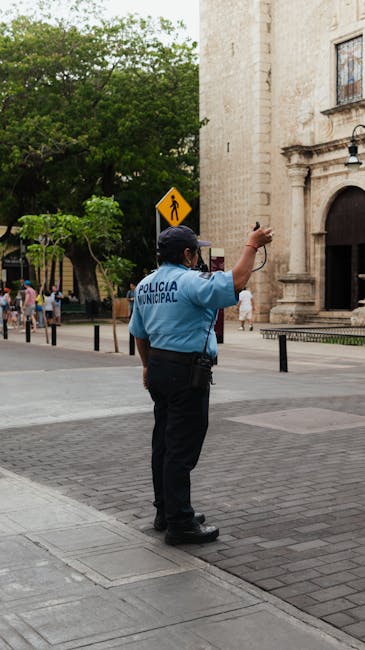
If stopped by the Polícia de Segurança Pública (PSP) or the GNR (Garda Nacional Republicana), stay calm, show your documents and politely ask for a receipt or reference. If you lose your passport, contact PSP Faro immediately (PSP Faro, Rua Conselheiro Bivar 14, 8000‑078 Faro) and your embassy. Embassies and consulates can issue emergency travel documents; for example, the French Embassy in Portugal is at Avenida José Malhoa 26, 1099‑017 Lisboa (appointments required) — always have your consular contact details handy.
Costs and penalties: unauthorized stays can lead to fines (variable, often between €200 and €2,000 depending on duration and circumstances) and temporary bans on return. If you overstay, it’s often possible to regularize your situation through SEF before being formally checked; late regularization may increase costs and processing times. Local tip: save important numbers on your phone — SEF’s national info line, local police and the European emergency number 112.
Conclusion: Prepare smartly for a hassle‑free stay in the Algarve
Navigating Portugal’s migration rules when visiting the Algarve takes preparation and knowing the right local contacts. Whether you’re here for a week on the beach in Albufeira, a few months of seasonal work in Portimão or to study at the University of the Algarve, the essentials are to check your status before departure (passport, visa), carry proof of accommodation and insurance, and know where the administrative offices are: Aeroporto de Faro (Estrada da Penina, 8005‑901 Faro), Loja do Cidadão de Faro (Avenida Calouste Gulbenkian 60, 8000‑312 Faro), the regional SEF office and local employment services. These addresses and opening times will help you plan your steps: SEF by appointment (usually 09:00–16:00 weekdays), Loja do Cidadão 09:00–17:00 for civil services, and employment centres 09:00–17:00 for job registration.
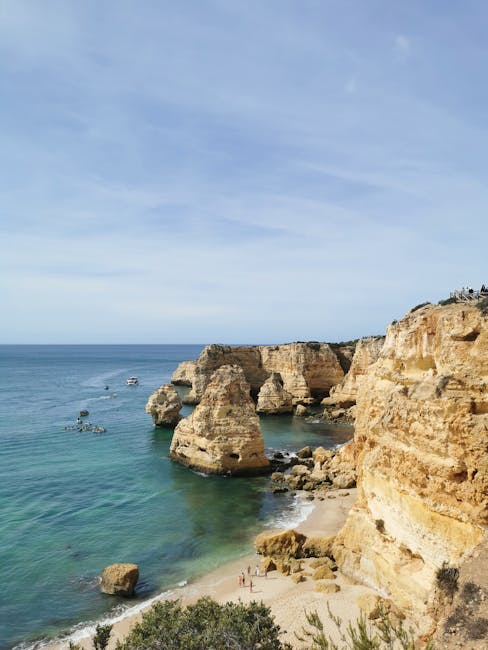
To reduce risk: book appointments online when possible, keep paper and digital copies of all documents, and anticipate delays during high season. If in doubt, contact your consulate in Portugal or an immigration lawyer. And enjoy the Algarve: knowing your rights and obligations doesn’t stop you from appreciating Praia da Marinha, the alleys of Tavira or Loulé market — it just ensures your trip remains a positive experience without administrative surprises. Safe travels and good luck with your paperwork!