





Introduction — Respecting Algarve beaches: why it matters and how to avoid problem behaviours
The Algarve, at Portugal’s southern tip, draws millions every year with its golden cliffs, hidden coves and deep-blue sea. Iconic spots like Praia da Marinha in Carvoeiro, Praia Dona Ana in Lagos, the famous Praia da Rocha in Portimão and Faro’s long sandy stretches look like they’ve been ripped from a postcard. Behind those postcard views, though, live communities that feel the impact of tourism firsthand — and there’s a fragile balance between welcoming visitors and protecting these places. Respecting local customs, the environment and residents isn’t just good manners: it’s essential to keep these beaches thriving.
This article is a practical, detailed guide for travellers who want to enjoy the Algarve while respecting the locals. We’ll outline behaviours to avoid — from illegal parking and loud disturbances to poor waste handling, disregarding heritage sites like Benagil cave, and over-exploiting marine resources. Each section includes concrete examples of places (with exact addresses), indicative prices, useful opening times and local-tested tips to help you act responsibly. You’ll not only learn what to avoid, but why it’s a problem, how locals see these behaviours, and which respectful alternatives to choose.
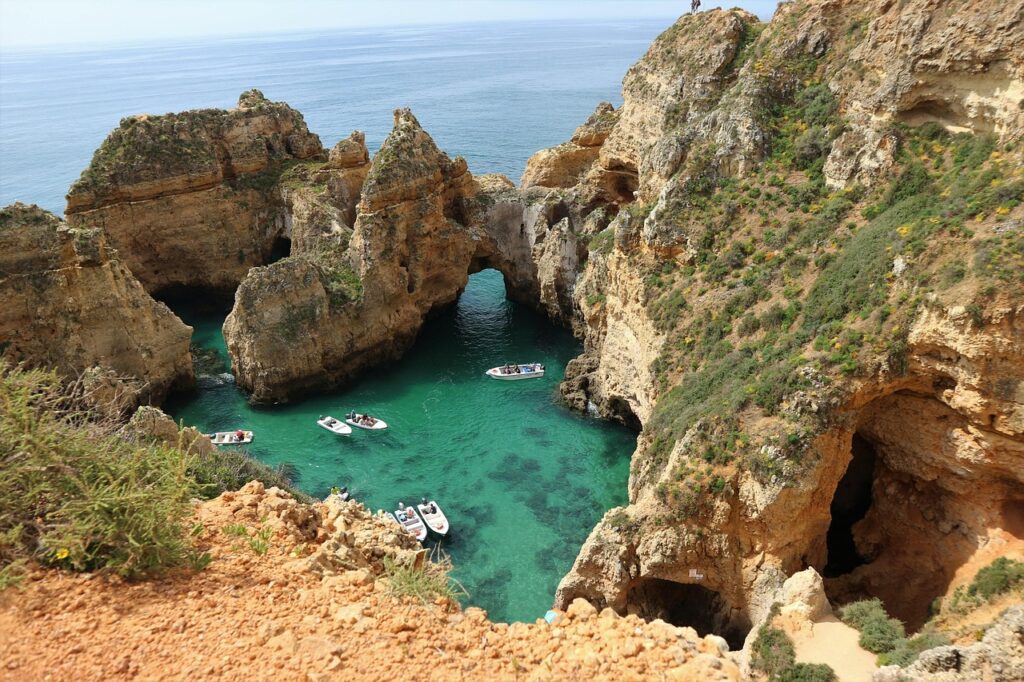
Algarve beaches aren’t all the same. Some, like Praia da Marinha (Lda. da Praia da Marinha, 8400-508 Carvoeiro), are protected for their scenic value and need special care regarding waste and access; others in town centres, such as Praia dos Pescadores (Av. 25 de Abril, 8200-132 Albufeira), require respect for local fishermen and municipal facilities. In Lagos, Praia Dona Ana (Praia Dona Ana, 8600-315 Lagos) has narrow paths and erosion-prone cliffs: straying off marked trails can be dangerous and destructive to the ecosystem. Boat trips to Benagil cave (Praia de Benagil, 8405-406 Lagoa) are a huge tourist draw, but problems arise when visitors swim straight into the cave entrance or get too close to unstable cliffs.
For each behaviour to avoid, we’ll give practical alternatives: where to park legally (prices and hours), how to book excursions responsibly (average costs, recommended operators), the best times to visit to avoid crowds, and simple actions — picking up your litter, obeying lifeguard signs, avoiding unauthorized barbecues — that make a big difference. By the end you’ll have a checklist to keep in mind so your trip to the Algarve is memorable and respectful. Get ready to discover the Algarve as an informed, conscious traveller — not just a passing tourist.
Behavior 1 — Illegal parking and pedestrian access: where to park and why you should avoid the roadside
Illegal parking is one of the most harmful behaviours for local communities and the environment in the Algarve. Around popular beaches — for example Praia da Marinha (Praia da Marinha, 8400-508 Carvoeiro) and Ponta da Piedade (Ponta da Piedade, 8600-302 Lagos) — it’s tempting to pull over on the verge to enjoy a spectacular view. These areas aren’t designed for vehicles and illegal parking can damage vegetation, block emergency access routes and lead to fines. At Praia da Marinha the official car park is paid during high season: approximately €3–€6 per day depending on the period (typical hours 08:00–20:00 in summer). Signs clearly mark authorised areas; ignoring them could get you towed or fined €60 or more depending on the municipality.
Practical parking tips:
- Use official car parks: Praia da Rocha (Praia da Rocha, 8500-802 Portimão) has municipal car parks near the waterfront. Typical rate: €1.50/hour, with maximum stays of 8–10 hours in some lots during summer. Busy times are roughly 09:30–18:30.
- Prefer public transport: Local bus lines (e.g. EVA Transportes) serve Albufeira, Lagos, Portimão and Faro. A Portimão–Praia da Rocha ticket costs about €2.50–€4.00 depending on distance.
- Know protected zones: Some coastal roads are designated Natura 2000. Parking outside marked spaces is forbidden and damages coastal flora.
Concrete example: at Praia de Benagil (Praia de Benagil, 8405-406 Lagoa) the car park near the village often fills up by 10:00 in high season. Locals recommend visiting early morning (before 09:30) or late afternoon (after 17:00). Private parking options exist near « Rua do Farol, Benagil, 8405-406 Lagoa » with variable fees (€4–€8); some boat operators will park your car for clients during an excursion (check in advance).

Behavior 2 — Noise, impromptu beach parties and respecting residents
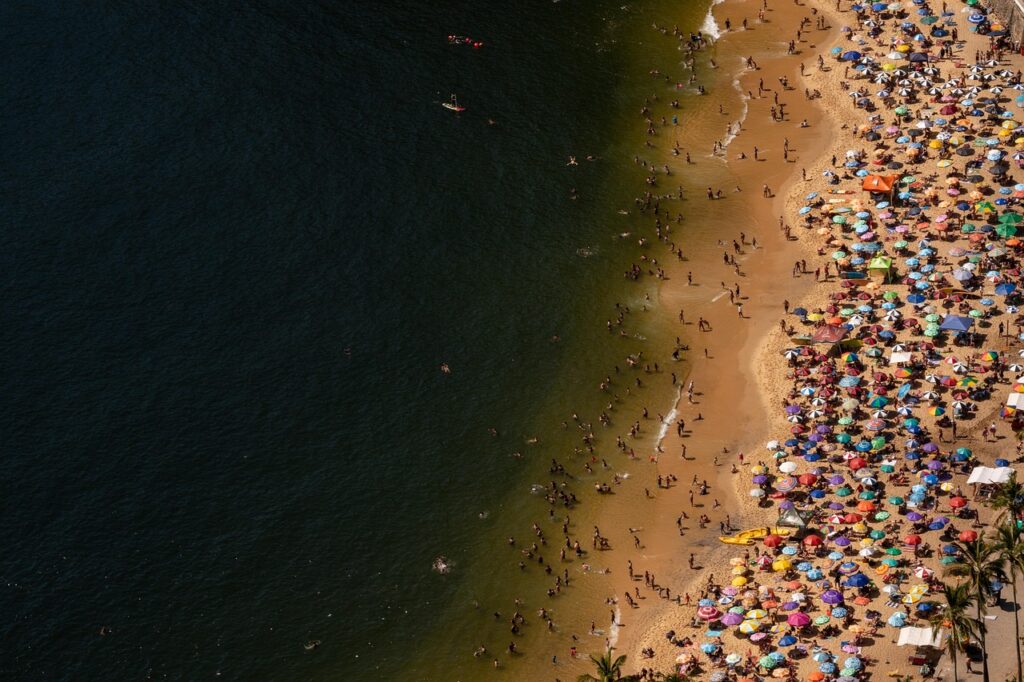
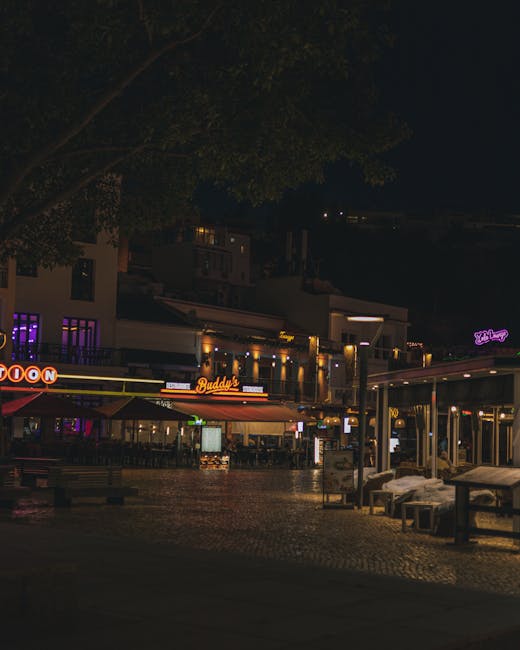
Partying is part of the holiday experience for many, but holding late-night beach parties without consideration for locals is a major source of conflict. Municipalities like Albufeira (Praia dos Pescadores, Av. 25 de Abril, 8200-132 Albufeira) and Portimão (Praia da Rocha, 8500-802 Portimão) enforce strict rules on nighttime noise: it’s common to see bans on excessive noise after 23:00 in urban areas and 24:00 in established tourist zones. Fines can exceed €120 if the municipal police or the GNR (Guarda Nacional Republicana) are called.
Why noise is a problem: houses and apartments along the coast are home to families and seasonal workers who need rest. Noisy visitors can trigger complaints and municipalities often respond with increased police patrols and sanctions. Drinking on the shoreline without control also raises the risk of swimming accidents when lifeguards are off duty in the evening.
Alternatives and best practices:
- Choose bars and clubs: In Albufeira, « The Strip » (Avenida Dr. Francisco Sá Carneiro, 8200-001 Albufeira) concentrates nightlife so neighbourhoods aren’t disturbed. Entry fees range from about €5–€20 depending on the venue; typical opening hours 22:00–03:00 or even 04:00.
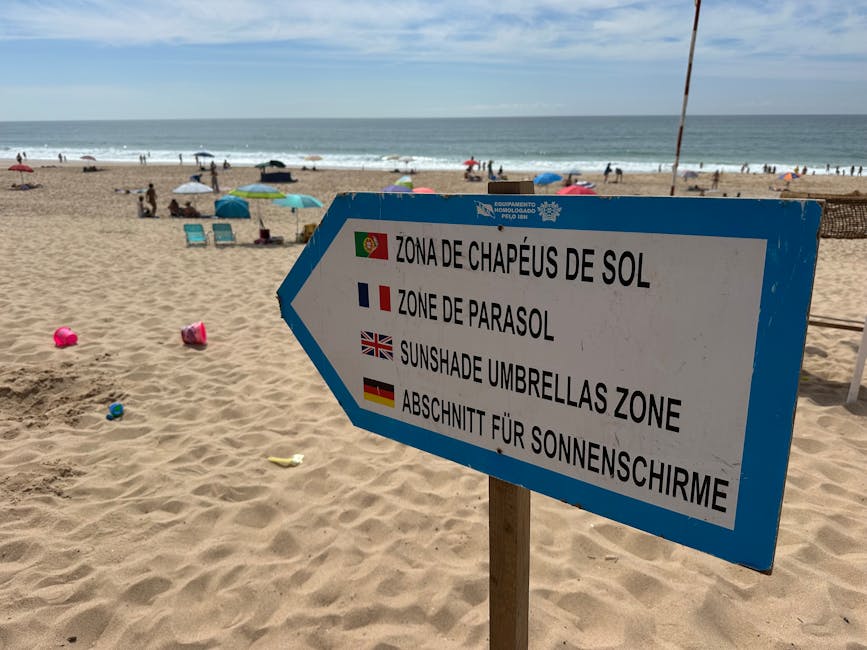
- Respect beach rules: Many towns display signs with lifeguard hours (often 09:30–18:00 in summer). Avoid swimming or making a lot of noise outside of these times.
- Skip portable speakers: If you want music, bring headphones. Portable speakers are seen as rude and often prompt interventions.
Behavior 3 — Litter, bonfires and protecting the coastal ecosystem
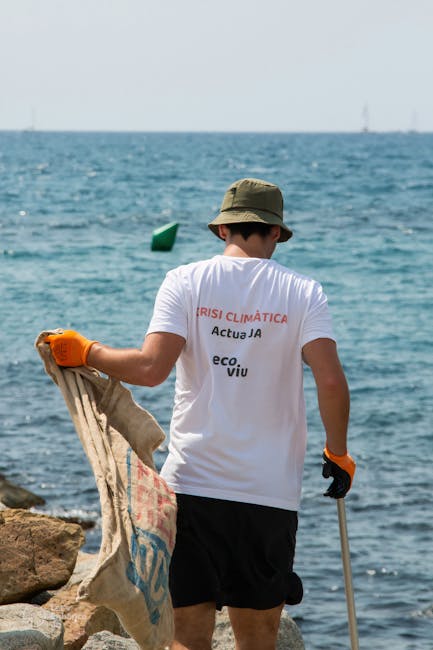
Leaving rubbish and lighting unauthorized bonfires have a severe impact on Algarve beaches. Plastics and cigarette butts pollute sand and sea, harming local wildlife (birds, fish and occasionally sea turtles). For example, the Lagoa municipality (Benagil, Praia de Benagil, 8405-406 Lagoa) organizes regular clean-ups and places bins at the village entrance; yet isolated coves often suffer from a lack of awareness. Disposable beach gear (single-use plates, impromptu grills) can be banned and may incur fines in some municipalities: burning waste on the beach can lead to penalties over €150.
Practical tips to reduce your impact:
- Bring a « leave no trace » bag: Pack a bag for all your rubbish and take it to recycling points. Collection islands are usually near main car parks (e.g. Praia da Rocha car park, 8500-802 Portimão).
- Avoid bonfires: Fires are banned on most beaches in summer due to fire risk and the damage leftover embers cause. If you want a barbecue, use designated areas or book a beachfront restaurant with grills (average cost for a grill for two: €25–€40).
- Use reef-safe sunscreen: Some sunscreens contain filters that harm corals and marine life. Choose « reef-safe » and biodegradable brands.
Local example: At Praia Dona Ana (Praia Dona Ana, 8600-315 Lagos) signs remind visitors that cliff paths are fragile; walking off the trails can cause sections of the shoreline to collapse. Municipal car parks and waste collection points near « Rua da Praia Dona Ana, 8600-315 Lagos » allow you to dispose of waste properly: daily collection in high season, typical drop-off hours 07:00–20:00.
Behavior 4 — Taking risks around caves and cliffs: safety and heritage
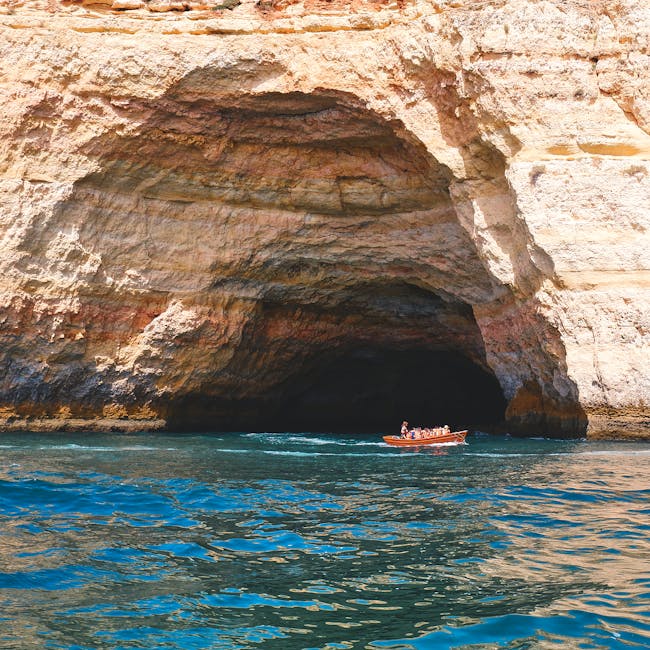
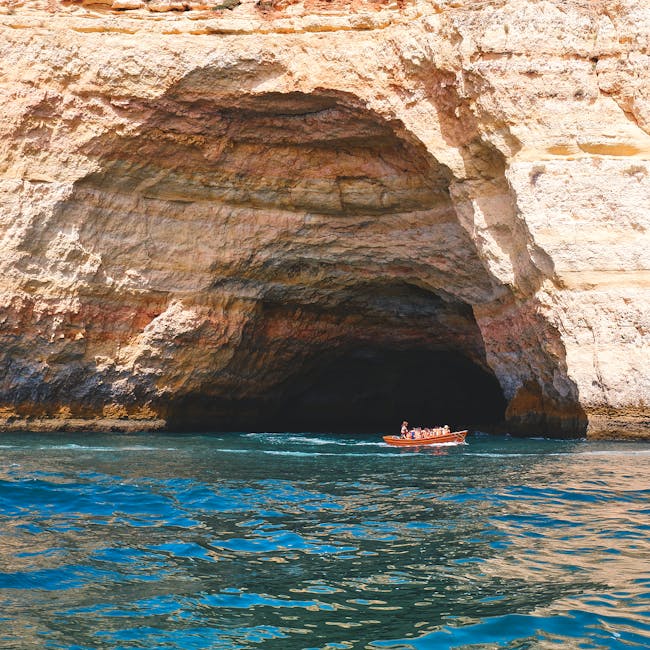
Getting close to cliffs, climbing ledges or swimming into caves without a guide are dangerous and disrespectful. Ponta da Piedade (Ponta da Piedade, 8600-302 Lagos) is famous for its caves and sea arches, but its limestone cliffs are prone to erosion. Sudden falls or rockfalls can happen without warning. Likewise, the entrance to Benagil cave (Praia de Benagil, 8405-406 Lagoa) is not a playground: currents, tides and heavy boat traffic make swimming into the cave risky. Boat trips to Benagil are offered by several local operators: indicative prices €25–€40 per person for a 30–60 minute tour; departures usually between 09:30–17:30 from Benagil jetty (approximate, check the operator).
Why you should avoid these behaviours:
- Personal safety: Maritime rescue services (Instituto de Socorro a Náufragos / Polícia Marítima) respond regularly but rescue operations can be long and costly.
- Site preservation: footprints, graffiti and litter inside caves damage natural and cultural heritage.
- Respect for local operators: guides and fishermen depend on responsible tourism; entering sites unbooked can undermine local livelihoods and overall safety.
Reasonable alternatives:
- Book a guided excursion: Choose reputable companies like « Benagil Tours » (departures from Praia de Benagil, 8405-406 Lagoa) or « Lagos Boat Cruises » (departures from Marina de Lagos, R. Infante de Sagres 2, 8600-315 Lagos). Prices: €25–€50, schedules vary 09:00–18:00.
- Follow lifeguards’ instructions: Patrolled beaches use flags to indicate sea conditions: green = safe to swim, yellow = caution, red = no swimming. Summer lifeguard hours are usually 09:30–18:30.
- Take photos from viewpoints: Official viewpoints like « Miradouro da Ponta da Piedade, 8600-302 Lagos » offer safe, spectacular panoramas without endangering the site.
Behavior 5 — Fishing, collecting and taking things: respect marine resources and local fishing
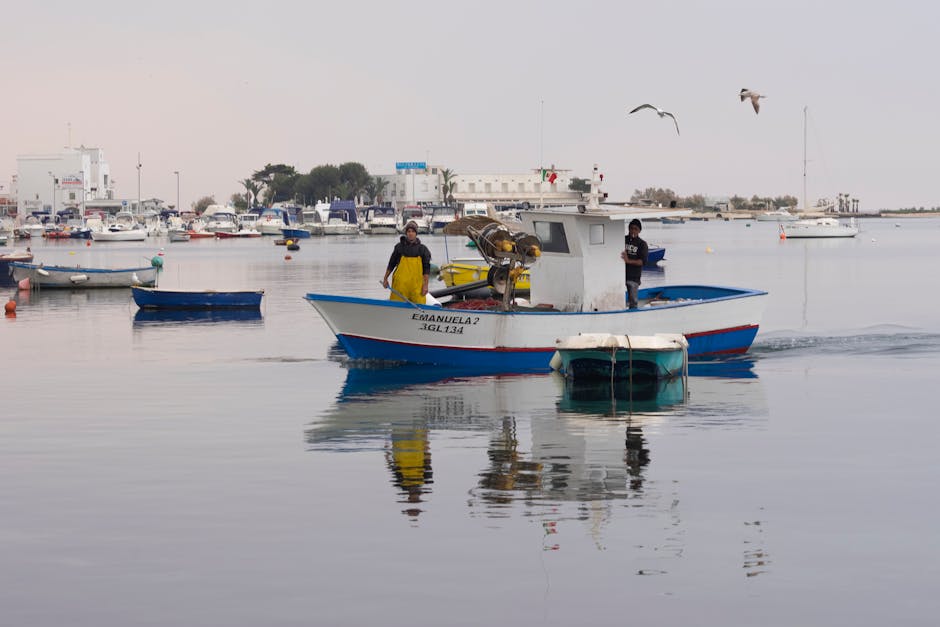
Taking shells, starfish or fishing in unauthorised spots is often seen as disrespectful to coastal communities. Professional and artisanal fishermen — visible along Av. 25 de Abril in Albufeira (Praia dos Pescadores, Av. 25 de Abril, 8200-132 Albufeira) and at Portimão harbour (R. do Comércio 48, 8500-201 Portimão) — rely on sustainable stock management. Unregulated collection can harm species reproduction and deplete local resources. Recreational fishing sometimes requires a licence; rules vary by species and minimum sizes. Authorities (IPMA — Instituto Português do Mar e da Atmosfera) set quotas and seasons for certain catches.
Concrete tips:
- Take nothing: Leave shells and stones so others can enjoy them — they’re part of the ecosystem.
- Check rules before fishing: If you plan to fish, book a trip with a licensed local skipper: half-day rates are typically €60–€120 depending on boat size and passenger count.
- Buy from local markets: For fresh seafood, favour fish markets (Mercado Municipal de Loulé, Travessa do Mercado, 8100-543 Loulé) or local fishmongers in Portimão (R. do Comércio 48, 8500-201 Portimão). Prices vary by season: sea bream €6–€12/kg, local sardines often €2–€5/kg.
Conclusion — Responsible travel in the Algarve: small actions, big impact
Respecting the Algarve’s beaches is both simple and essential. Small individual efforts add up to a huge difference for residents and the environment. By avoiding illegal parking, limiting noise, taking your rubbish with you, following safety rules around caves and cliffs, and not removing marine life or plants, you help preserve landscapes that attract visitors from around the world. The little actions listed in this article — park in official lots (e.g. Praia da Marinha parking: €3–€6/day in high season), choose certified tours (Benagil tours €25–€50), respect lifeguard hours (often 09:30–18:30), and support local businesses (markets, fisher restaurants) — combine to create sustainable, respectful tourism.
For travellers keen to act responsibly, here’s a handy checklist to keep in your beach bag:
- Check parking hours and budget for fees: €1.50/hour at Praia da Rocha, €3–€6/day at Praia da Marinha.
- Respect the flags and lifeguard hours (09:30–18:30 in summer).
- Don’t light fires or barbecues on the beach without municipal permission.
- Avoid unsupervised swimming in caves: book a guided trip (€25–€50) with a local operator.
- Take all your rubbish home and use recycling points; favour reusable items.
- Avoid loud music and nighttime beach parties: use dedicated venues (The Strip, Albufeira).
- Respect fishermen and buy local when possible (Mercado Municipal de Loulé, Mercado de Peixe de Portimão).
Finally, remember that Algarve residents appreciate visitors who show interest in their culture and environment. A simple « Bom dia » to a shopkeeper, obeying official signs and approaching the destination with curiosity rather than conquest turns your stay into a richer, more rewarding experience. By adopting these responsible behaviours you help preserve spectacular sites — Praia Dona Ana (Rua da Praia Dona Ana, 8600-315 Lagos) and Ponta da Piedade (Miradouro da Ponta da Piedade, 8600-302 Lagos) — and support the social and economic wellbeing of the communities that welcome you. Safe travels, and enjoy the Algarve as a respectful guest.