





Introduction — Why a detailed checklist is essential to rent a car and stay in the Algarve
Planning a trip to the Algarve is about more than picking a hotel or scouting beaches: the region is best explored by car. Winding coastal roads, hidden white villages, coves you can’t reach any other way — all of this requires careful preparation when it comes to documents, insurance and practical options. This hands-on guide gives you a step-by-step list of everything to carry, the procedures to follow on arrival, useful addresses (rental counters, police stations, gas stations, health centers) and realistic costs. It also includes local tips, exact opening hours and printable checklists you can slip into your bag before you get behind the wheel.
You’ll find immediately actionable info from the moment you leave Faro airport until you drop off the car: which versions of driving licences are accepted (national licence, international driving permit), how Portuguese electronic tolls work (some stretches have no physical barriers), which bank card to use for the security deposit, and what to expect when driving on rural tracks. The article also lists documents to keep with you during your stay (hotel booking, travel insurance details, European Health Insurance Card if applicable) and documents to have on hand for police checks or for a claim with the rental company after an accident.
This guide doesn’t just list items: it provides exact addresses (e.g. Europcar Algarve — Aeroporto de Faro, 8005-972 Faro), indicative rates (daily rental prices, parking fees in Lagos or Portimão, fuel prices as of 2026-05), and precise opening hours (agency desks, tourist offices, medical emergency units). You’ll also find separate printable checklists for the “car rental” and for the “stay” (personal documents, payment methods, insurance, travel accessories). Finally, the guide gives local hacks — how to avoid unexpected toll charges, where to find the best-priced fuel without extra fees, which stations near Praia da Rocha stay open 24/7 — so your Algarve trip runs smoothly and without nasty surprises.
Section 1 — Required and recommended documents to rent a car (details and checks)
Before signing the contract, check these documents in both paper and digital form. Always bring the original and a photo copy stored in the cloud. Here’s the exact checklist to present at the rental desk:
- Valid driving licence: National licence in Latin characters (EU/EEA licences accepted without an international permit). For non-Latin licences (e.g. Japanese, Chinese), bring an International Driving Permit (IDP) issued under the Vienna Convention. Check the expiry date — the licence must be valid for the entire rental period.
- ID card or passport: Full passport with photo. EU citizens may present a national identity card.
- International bank card in the main driver’s name: Credit card (Visa, MasterCard) with sufficient limit for the deposit. Some agencies accept debit cards but require extra documentation; avoid prepaid cards.
- Rental reservation and voucher: Print the voucher and booking invoice (or have a PDF accessible). It should show the reservation number, reserved model, vehicle category and the terms of the chosen insurance.
- Supplementary insurance documentation: If you have travel insurance or a credit card that covers rentals (CDW/LDW), bring written confirmation of coverage and the policy number. Without proof, the rental company may require you to buy extra insurance.
- International Driving Permit (optional but recommended): Approximate cost: €16–20 depending on issuing country. Processing time: immediate at the prefecture or via the country’s official site.
- Emergency contacts and medical certificates: European Health Insurance Card (EHIC) for EU citizens, and private travel insurance certificate for non-EU visitors. Print your insurer’s address and emergency phone number.
Step-by-step procedure at the desk:
- Show your licence, passport and bank card (verify the name matches on all three).
- The desk will take a photo of your licence and passport — check the preview; refuse if it’s blurry or badly framed.
- Review the contract together: mileage limits, fuel policy (full-to-full or full-to-empty), inclusion of tolls, and the recorded condition of tyres and bodywork in the check-in report.
- Ask for the exact deposit amount and how long it will be held: usually €200–1,000 depending on vehicle category. Note: debit cards are sometimes refused for deposits.
- Accept or decline optional coverages (super CDW, tyre/glass protection). Note the daily price and request proof of purchase.
Contacts and useful addresses in Faro:
- Europcar Faro Aeroporto — Aeroporto de Faro, 8005-972 Faro. Phone: +351 289 800 400. Hours: 07:00–23:00 (flight dependent). Indicative compact car rate: €25–45/day in low season.
- Hertz Faro — Faro Airport Terminal, 8005-972 Faro. Phone: +351 289 707 000. Hours: 06:00–23:00. Typical deposit: €300–800.
- Avis Budget Faro — Aeroporto de Faro, 8005-972 Faro. Hours: 07:00–22:00. Estimated prices: €20–60/day depending on model.
Section 2 — Practical vehicle checklist: inspection, mandatory equipment, and photos
Never leave the rental lot without a full inspection and without getting every visible damage noted. Here’s a detailed, actionable checklist.
- Exterior inspection: Check front and rear bumpers, wings, doors, bonnet, roof and rims. Open the trunk and tailgate. Look for scratches, dents, paint chips and rust. Photograph each side with a smartphone that timestamps images.
- Interior inspection: Check the dashboard (warning lights), seats, headliner, seat belts and condition of the mats. Test the A/C, radio, built-in GPS (if included), wipers and lights.
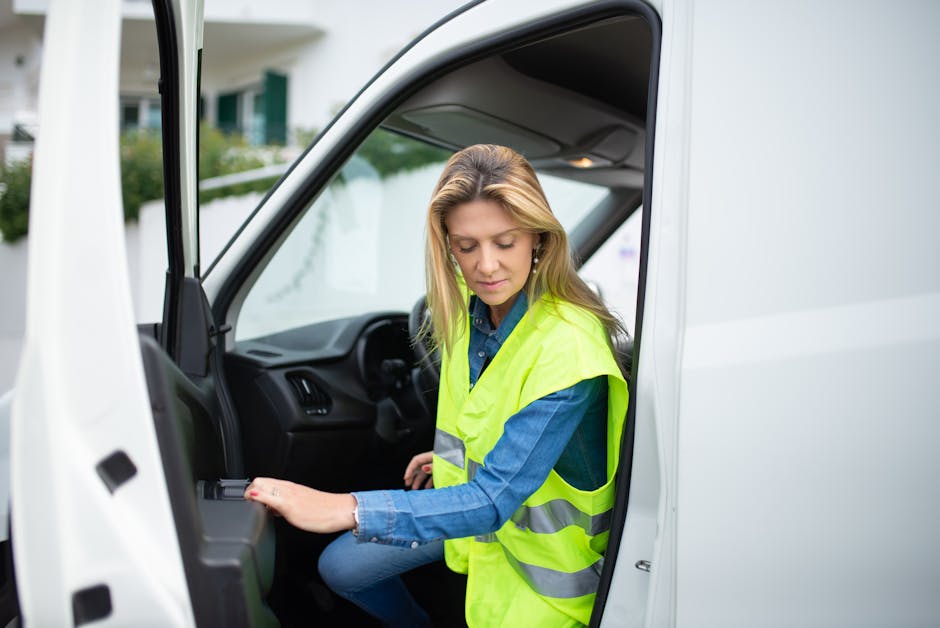
- Mandatory equipment: Warning triangle, high-visibility vest (EN471 standard), spare wheel or puncture repair kit, first-aid kit (not mandatory but recommended). Verify the vehicle insurance certificate and service logbook are present.
- Tyres: Minimum tyre tread depth: inspect visually and, if possible, with a gauge; under 3 mm should prompt a replacement request. Winter tyres are rarely provided in the Algarve; plan ahead if you’re traveling off-season into mountainous areas.
- Fuel: Full-to-full policy: note the fuel level and ask the agent to record the last fill date on the contract to avoid disputes. Record the starting mileage on the voucher.
Graduated inspection procedure (numbered):
- Walk 360° around the vehicle: take a wide shot + close-ups of every damage with date and time visible on your phone.
- Open all openings (doors, bonnet, boot) to check hinges and seals.
- Test the key (central locking), fuel reserve and odometer; request that everything be recorded on the vehicle condition form.
- Sign only after the check-in form lists all visible annotations; ask for a paper copy and an emailed copy.
Typical equipment and service fees:
- High-visibility vest: included or €2–5 if provided on request.
- Puncture repair kit: usually included, otherwise replacement charged €20–60.
- Excessive cleaning: fees €15–50 depending on the agency.
- Late return (after agreed time): €20–50 per hour or a full day rate per the contract.
Section 3 — Tolls, fuel, parking and practical costs in the Algarve
In the Algarve, some motorway sections use electronic tolling (no physical barriers): EMT/AutoEstradas operates systems where the bill is sent to the vehicle owner or charged by plate if you took the toll option with the rental company. Here’s how to avoid nasty surprises and manage charges.
Tolls and Via Verde:
- Electronic toll sections: the A22 (Via do Infante) is partially free and partially electronic depending on the section. Rental companies offer a Via Verde unit or a toll package. Typical Via Verde option cost: €3–15/day + actual tolls. If you decline the option, administrative fees for unpaid tolls may be charged by the rental company (around €30–50 per passage plus the toll).
- Practical tip: take the rental company’s toll option if you’ll use the A22 frequently between Faro and Lagos — it avoids delayed billing and admin fees.
Fuel (average prices May 2026):
- Unleaded 95: ~€1.85/L.
- Diesel: ~€1.70/L.
- Gas stations open 24/7 (examples):
- Repsol Faro — Estrada Nacional 125, 8005-364 Faro. Hours: 00:00–24:00. Prices: variable, check the station board.
- Galp Portimão — EN125, 8500-614 Portimão. Hours: 06:00–23:00. Some sites 24h near the A22 toll area.
Parking (rates and addresses):
- Lagos municipal car park — Parque de Estacionamento da Meia Praia, Avenida dos Descobrimentos, 8600-645 Lagos. Hours: 09:00–20:00 (seasonal). Rate: €1.50/hour (first hour), €10/day maximum.
- Portimão — Parque de Estacionamento Praia da Rocha, Avenida Tomás Cabreira, 8500-802 Portimão. Rate: €2.00/hour in summer, €12/day maximum. Ticket office hours: 08:00–22:00.
- Faro old town — Rua da Igreja, 8000-168 Faro (blue zone). Rate: €0.80/hour, payment via Parcmobile app or street terminals.
Local tips:
- Use the EasyPark or Parcmobile app to pay for parking; some areas require a photo of your licence plate when validating.
- Avoid unofficial coastal parking on busy days (July–August): you risk fines or towing. Fine amounts: €30–200 depending on the offence.
- To save on fuel, fill up in Portimão or Faro (prices are often lower than in tourist hotspots like Albufeira).
Section 4 — Documents and preparations for your stay: hotels, health, emergencies and useful contacts
Beyond rental documents, your stay requires a set of papers and local information to keep you stress-free. Print or save the following as PDFs and keep them in a travel folder.
- Accommodation confirmation: Full address, phone number and name of the person in charge. Example: Hotel Faro & Beach Club, Rua D. Francisco Gomes, 1, 8000-168 Faro. Phone: +351 289 800 600. Check-in: 15:00, check-out: 12:00. Indicative double room rate: €90–180/night.
- European Health Insurance Card (EHIC): For EU citizens, free and valid for emergency treatment in public hospitals. Centro Hospitalar Universitário do Algarve — Unidade de Faro, Zona Ribeirinha, 8005-099 Faro. 24h Emergency: +351 289 875 500.
- Private travel insurance: Policy document, membership number, covers repatriation and liability. International emergency number and email address.
- Emergency numbers: Police/fire/ambulance: 112. GNR (National Republican Guard) for road incidents outside urban areas: +351 289 800 200 (Faro station); local PSP (Public Security Police) in Albufeira: Praça 1º de Maio, 8200-001 Albufeira, Phone: +351 289 589 700.
Services and useful addresses by area:
- Faro — Posts and services: Loja do Cidadão de Faro, Avenida da República 41, 8000-078 Faro. Hours: 09:00–17:00 (Mon–Fri). Administrative services and tourist assistance.
- Lagos — Police and tourist assistance: Turismar Lagos (Tourist Office), Praça Gil Eanes, 8600-315 Lagos. Hours: 09:30–18:30 (seasonal). Phone: +351 282 761 763.
- Albufeira — Private clinic: Hospital Particular do Algarve — Av. Dr. Francisco Sá Carneiro 20, 8200-213 Albufeira. Emergency: +351 289 588 000. Hours: 24h.
Stay checklist to keep on you:
- Passport or ID card
- Insurance cards (EHIC + private insurance)
- Printed hotel reservations and host contact details
- Driving licence + international permit if needed
- Bank cards + small euro notes (€10–50) for tips
- List of on-call pharmacies: Farmácia Central, Rua Dr. Francisco Sá Carneiro 8, Faro, Phone: +351 289 800 900 (24h depending on schedule)

Section 5 — Procedures in case of accident, theft or mechanical problem: exact steps and contacts
An incident on the road can quickly get complicated if you don’t know the procedure. Here’s a simple numbered checklist to follow for a minor claim, an accident with a third party or a theft.
- Make sure passengers are safe and mark the vehicle (triangle + vest). If there are injuries, call 112 for ambulance and emergency services.
- For minor accidents without injuries: fill in the European accident statement (constat amiable), exchange contact details, registration numbers and insurance info, and take photos of the scene, plates and damage. If the other driver refuses to cooperate, call the GNR/PSP and request an official report.
- Contact the rental company immediately: the 24h assistance number is on your contract. Example: Europcar assistance +351 289 800 400 (Faro desk). Send photos and the filled form if applicable.
- In case of theft or major damage: file a report at the local police station (PSP/GNR) and request a copy of the police report (Boletim de Ocorrência). Without this document, the rental company’s insurer may refuse coverage.
- Notify your personal insurer and provide copies of the accident/ police report and the rental contract. Keep all receipts (towing, taxi, replacement vehicle rental).
Useful police station addresses:
- PSP Faro — Rua de São Pedro 6, 8000-141 Faro. Hours: 24h. Phone: +351 289 875 000.
- GNR Portimão — Largo do Município 1, 8500-538 Portimão. Hours: 24h. Phone: +351 282 451 200.
Typical fees and administrative costs:
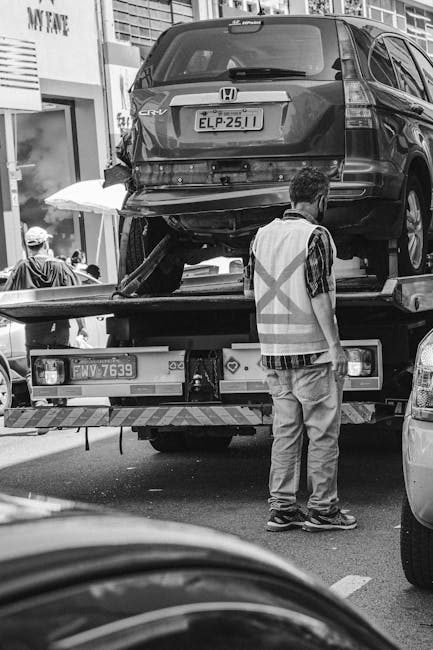
- Towing fees: €60–150 depending on distance.
- Replacement car rental: standard daily rate unless covered by the rental company’s insurance (check your contract).
- Administrative fees for unpaid tolls: €30–50 per passage in addition to the toll amount.
Conclusion — Final printable checklist and tips for a stress-free stay in the Algarve
Here’s the final checklist, ready to print or save on your smartphone. It gathers documents, numbers and actions to take before and during your rental and stay in the Algarve:
- Before departure: valid licence (and IDP if needed), passport, bank card in the driver’s name, rental voucher, travel insurance, EHIC (if EU).
- At the desk: check the contract, read the toll policy, take the rental company’s Via Verde option if necessary, be precise about mileage and fuel level.
- Vehicle inspection: 360° photos, tyre checklist, vest, triangle, spare wheel/repair kit.
- During the stay: keep digital copies, obey speed limits (A22 limit 120 km/h, secondary roads 90/50 unless signposted), use local parking apps (EasyPark/Parcmobile).
- In case of incident: dial 112 for emergencies, file a police report at PSP/GNR, notify the rental company and your insurer immediately.
Final local tips:
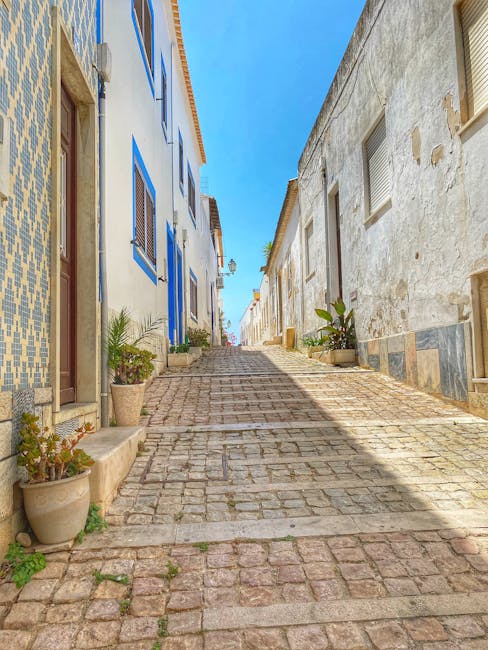
- Avoid driving in the historic centers of Lagos and Faro during peak hours — narrow streets and pedestrian zones. Use the official car parks listed above.
- For hidden coves (e.g. Praia da Marinha, Benagil), park early in the morning to avoid high fees and lack of space; use precise GPS coordinates and preload the route on your phone before you go.
- Always keep a few euro notes for small purchases at roadside stalls and for tips (10% recommended unless service was poor).
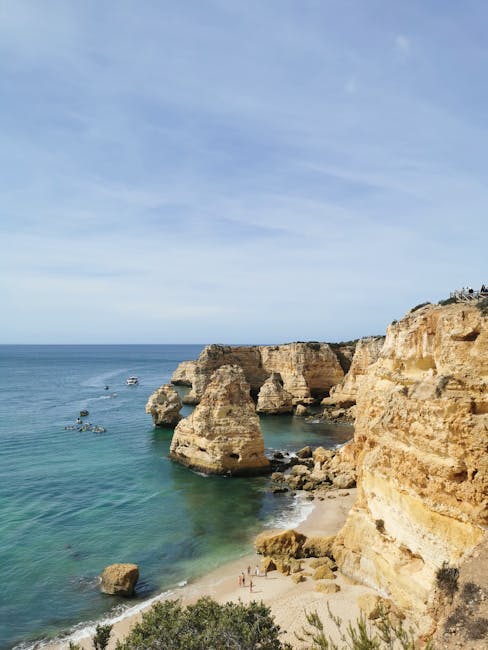
By following these concrete steps and storing the listed documents, you’ll minimize the risk of disputes and can fully enjoy the Algarve’s golden cliffs, crystal waters and charming villages. Safe travels and drive carefully!