





Introduction — Why this step-by-step guide for the Algarve?
Travelling in the Algarve, in southern Portugal, means enjoying stunning beaches, whitewashed villages and Mediterranean cuisine. But even on holiday you might need quick help: a road accident, a fainting on the beach, a cut that needs stitches, or simply looking for a medicine in the middle of the night. This practical guide is designed to help you act quickly and correctly: how to dial 112, what information to give, what to do while waiting for help, and how to find an on‑call pharmacy (farmácia de serviço) in Faro, Portimão, Albufeira, Lagos, Tavira and Loulé.
I provide numbered steps, “must‑have” checklists, useful addresses and phone numbers, typical opening hours and price indications for common services and medicines. The aim is operational: you can print a short extract, save it offline on your phone, or store it in your notes for immediate access in an emergency. I also explain the differences between life‑threatening emergencies (SAMU/INEM via 112), non‑life‑threatening urgent care (health centres / unidades de saúde familiar) and on‑call pharmacies (night and weekend coverage), with local tips — for example the hospitals and centres that are most efficient for tourists, where to park in an emergency, or how to explain a health problem in simple Portuguese.
This guide includes concrete lists: what to keep in a car first‑aid kit, useful Portuguese phrases to explain pain, bleeding, allergy or fracture, and waiting protocols (don’t move a person with a suspected spinal injury, or put someone who is unconscious but breathing into the recovery position). For pharmacies, I detail how to check the day’s on‑call pharmacy (via the official Ordem dos Farmacêuticos website or the “Farmácias de Serviço” app), and I give real examples of pharmacies with addresses and typical hours to help you orient yourself.
Finally, I offer practical tips to limit costs: which services are free under the Serviço Nacional de Saúde (SNS) in emergency cases, when private transport is preferable, and indicative prices for over‑the‑counter medicines (paracetamol, ibuprofen, antiseptic, dressings). Keep in mind regulations can change: always keep official numbers handy (112, SNS 24 +351 808 24 24 24) and check the on‑call pharmacy for the day via a local site as soon as you arrive.
1) Calling 112 in the Algarve: step‑by‑step procedure (what to do immediately)
112 is the single emergency number across Europe. In the Algarve it triggers a coordinated response from the fire brigade (bombeiros), INEM/SAMU (National Health Service emergency ambulance) and the GNR/PSP police if needed. Here’s the step‑by‑step procedure to follow — memorise it or print it out.
-
Assess the situation (0–30 seconds):
- Is the victim conscious? Breathing? Heavy bleeding?
- Is there immediate danger to you (fire, traffic)? If so, move back to a safe location.
-
Dial 112 (any phone, no international prefix needed):
- No SIM card? Phones can call 112 without a SIM.
- If you’re abroad, 112 works across Europe.
-
Answer clearly — information to give:
- Language: the centre accepts Portuguese; many operators understand English. If needed, say: “English?”
- Give the exact location: town, neighbourhood, street name, number, landmark — example: “Albufeira, Avenida dos Descobrimentos, nº 56 (near Igreja Matriz)”.
- Number of victims and condition: “one unconscious, breathing” or in Portuguese “uma pessoa inconsciente, a respirar”.
- Type of emergency: car accident, cardiac arrest, difficulty breathing, open wound, poisoning, etc.
- Specify if the victim is allergic to anything, taking medication, pregnant, or has a pacemaker.
- Follow the operator’s instructions: the operator may guide you through CPR, how to stop bleeding, or how to place the person in the recovery position.
- Do not hang up until the operator tells you to — they may need more information or may tell you where the rescue team is.
Typical response times: in urban areas like Faro and Portimão, ambulances often arrive in 8–20 minutes; in rural areas or isolated beaches, expect 20–40 minutes or more, which is why first‑aid actions are so important. If the victim needs urgent hospital transfer, the ambulance (INEM) will take them to the most appropriate hospital.
2) What to do while waiting for the ambulance — concrete actions and recommended kit
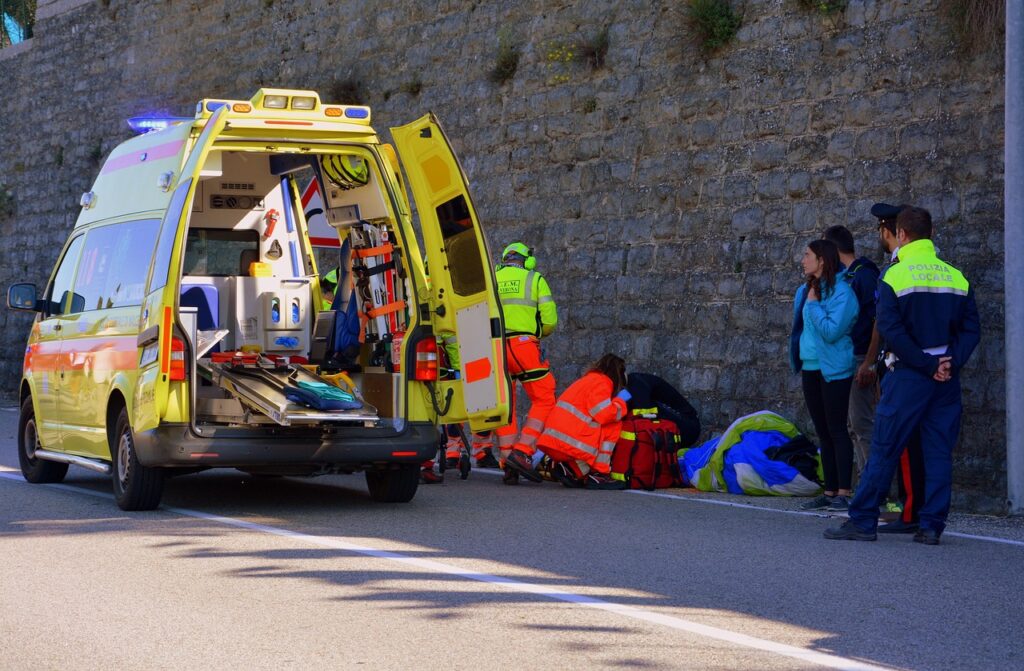
What you do in the minutes after calling 112 can save a life. Here’s an actionable checklist and a recommended list of items to keep in your travel first‑aid kit.
Immediate checklist (in order)
- Ensure safety: move the person away from danger (cars, rough sea, cliffs) but don’t move them if a fracture or spinal injury is suspected.
- Call 112 and stay on the line.
- Check breathing and pulse — if absent, start CPR if trained.
- Stop bleeding: use direct pressure with a clean cloth or bandage.
- Recovery position if the person is unconscious but breathing.
- Keep the person warm: blanket or extra clothing.
- Prepare documents: ID/passport, insurance card, list of medications.
Recommended first‑aid kit for the Algarve (keep in the car or beach bag)
- Sterile compress dressings + bandages (approx. price: €5–12 for a basic kit).
- Antiseptic (povidone‑iodine or alcohol): €2–6 for a small bottle.
- Disposable nitrile gloves (box of 50 ≈ €10–15).
- Mylar emergency blanket (≈ €2–5).
- Emergency tourniquet (for major bleeding) ≈ €8–15.
- Over‑the‑counter pain relief: paracetamol (500 mg, pack ≈ €1.5–3), ibuprofen (200–400 mg ≈ €2–5).
- SPF 50 sunscreen (50 ml ≈ €7–20) and soothing burn/after‑sun gel (≈ €5–12).
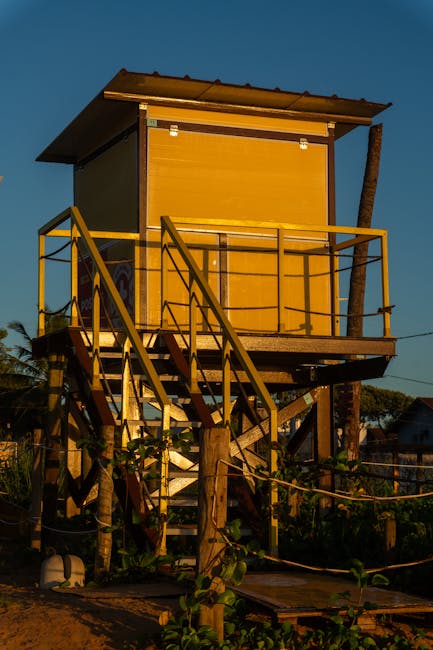
Local tips: on Algarve beaches lifeguards are present in season (May–October) and can assist before emergency services arrive. Give a clear landmark (e.g. “lifeguard tower 3, Praia da Rocha”) to help rescuers find you. If the incident is on a cliff or trail, describe access precisely (stairways, GPS coordinates if possible).
3) Useful hospitals, emergency departments and health centres in the Algarve — addresses and hours
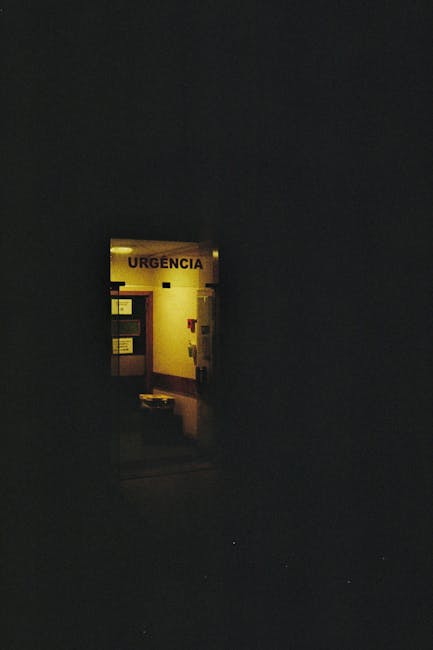
In the Algarve several facilities handle emergencies. Here’s a practical selection (city, address, hours, typical care). Note hospital emergency departments (Serviço de Urgência) operate 24/7; health centres have daytime hours and handle non‑critical care.
-
Centro Hospitalar Universitário do Algarve — Hospital de Faro (General Emergency)
Address: Largo Dr. Francisco Gentil, 8004-001 Faro (or Largo do Hospital, check the entrance sign).
Hours: emergency department open 24/7 (triage by severity).
Fees: emergency hospital care via SNS — coverage depends on status (tourists may be billed if non‑EU; European Health Insurance Card (EHIC) valid for EU nationals).
Specialties: emergency medicine, surgery, imaging (radiology). -
Hospital do Barlavento Algarvio — Portimão (Emergency)
Address: Av. V3 Dr. Francisco Sá Carneiro, 8500-866 Portimão (or Avenida V3, check official sign).
Hours: emergency department open 24/7.
Services: trauma care, surgery, urgent care for tourists and residents. -
Hospital de Lagos — Local Health Unit (Basic Emergency / Atendimento)
Address: Rua da Liberdade, 8600-555 Lagos.
Hours: basic emergency and observation; for major cases transfer to Portimão or Faro. -
Centro de Saúde de Albufeira — Family Health Unit (USF Albufeira)
Address: Rua Dr. Manuel de Arriaga, 8200-032 Albufeira.
Hours: Mon–Fri 08:00–20:00 (may vary); night emergencies are referred to Faro/Portimão hospital or the local on‑call service. -
Centro de Saúde de Tavira
Address: Largo Pedro Mello, 8800-306 Tavira.
Hours: primary care; acute emergencies treated as needed and transfers possible.
Important: for open fractures, chest pain, uncontrolled bleeding or loss of consciousness, don’t waste time at a local health centre: call 112 for an ambulance to the most suitable hospital. For less severe symptoms (persistent fever, infections, non‑dangerous acute pain), a health centre or an on‑call pharmacy may suffice.
4) On‑call pharmacies (Farmácias de serviço): how to find them and practical examples
On‑call pharmacies (farmácias de serviço) cover nights and weekends. They dispense prescription medicines and sell essentials (painkillers, dressings, antiseptics). The local schedule changes daily: the official list is published each day by the Associação Nacional das Farmácias / Ordem dos Farmacêuticos and is available online or via apps. Here’s how to proceed and some concrete examples of pharmacies commonly used by tourists.
How to find the on‑call pharmacy of the day — quick method
- Visit the official “Ordem dos Farmacêuticos” website or use the “Farmácias de Serviço” app (search for “farmácias serviço Portugal”).
- Enter your locality (Faro, Albufeira, Portimão, Lagos, Tavira, Loulé) — the site will show the on‑call pharmacy of the day and its phone number.
- Call the pharmacy before you go to confirm the medicine is available and the opening hours (on‑call pharmacies may close briefly if they have to resupply).
Practical examples — pharmacies often used by tourists
-
Farmácia Central — Faro
Address: Rua de Santo António 22, 8000-285 Faro.
Typical hours: 09:00–13:00 / 15:00–19:00; on‑call duty varies by schedule (check the specific day).
Services: prescription dispensing, OTC sales, English advice often available. -
Farmácia Central de Portimão
Address: Rua do Comércio 12, 8500-123 Portimão.
Hours: regular opening; on‑call duty according to the local schedule. Phone: check via the farmácias app. -
Farmácia Continental — Albufeira
Address: Avenida 25 de Abril 45, 8200-001 Albufeira.
Hours: shop and on‑call service (consult the day’s list).
Note: in high season some pharmacies stay open later.
Indicative prices (over‑the‑counter): paracetamol 500 mg (box of 16) ≈ €1.5–3; ibuprofen 400 mg (box of 12) ≈ €3–6; antiseptic (chlorhexidine, 100 ml) ≈ €4–8; sterile dressings pack ≈ €3–7. Prices can vary and on‑call pharmacies sometimes apply a night surcharge (+10–20%).
Conclusion — Practical summary and final tips
In the Algarve, knowing a few key actions and having the right reflexes makes all the difference. Memorise or save on your phone: the number 112, a few key Portuguese phrases, your accommodation address and the nearest on‑call pharmacy. For a life‑threatening emergency, call 112 immediately; operators coordinate ambulance, fire and police. If the issue is minor or you only need a medicine, check the farmácia de serviço via the official app to avoid unnecessary trips.
Remember the practical points: calling 112 works without a SIM card, the operator will ask for the exact address and the victim’s condition, and they will guide you through first‑aid steps. Carry a small first‑aid kit: compresses, dressings, antiseptic, painkillers, gloves and an emergency blanket. To limit costs, keep your European Health Insurance Card if you’re from an EU country, and always ask for a detailed receipt if you pay for private transport or private care.
Finally, adopt preventive measures: wear suitable shoes on coastal paths, stay hydrated (especially in summer), and be cautious on narrow roads and cliffs. By following the steps in this guide — dialing 112 correctly, taking the right actions while waiting for help, and using the on‑call pharmacy network — you’ll be ready to handle most incidents in the Algarve. Enjoy your stay, and stay safe!