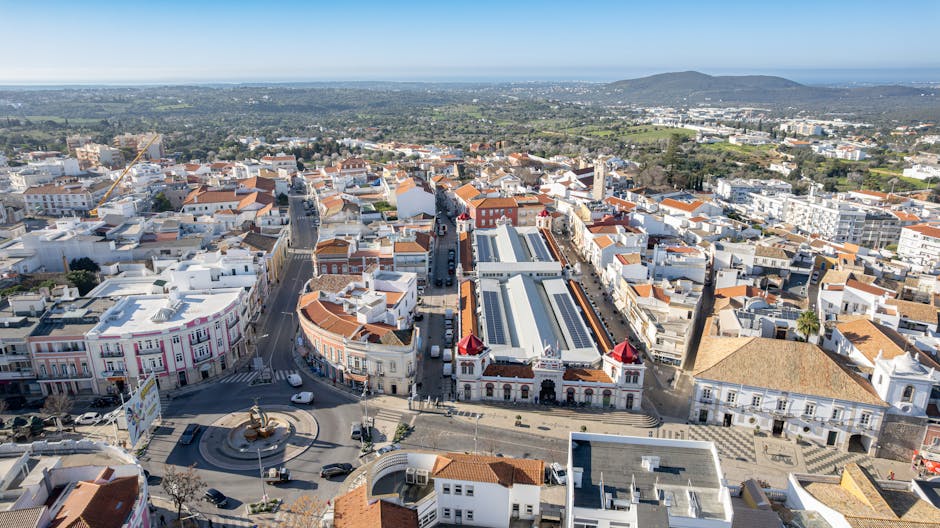






Introduction — Why this 5-minute guide actually works at Algarve markets
The markets of the Algarve are lively, colorful and full of local produce: whole fish, juicy fruit, glazed ceramics, linen textiles, cork jewelry and handcrafted finds. But for many visitors, bargaining feels mysterious or like a time-consuming chore. This practical guide makes one clear, useful promise: to teach you, step by step, how to negotiate and complete a purchase at an Algarve market in under 5 minutes — from approach to payment, ready to walk away with your bag. The techniques are concrete, field-tested and tailored to the Portuguese context where politeness matters and haggling is done without aggression.
What you’ll find here: ultra-practical numbered steps (exactly five detailed sections), printable or memorisable checklists, short useful Portuguese phrases and precise pointers: exact addresses, typical market hours, sample prices in euros and local tips to avoid common mistakes. This guide avoids vagueness: it tells you what to say, what to show, how much to offer, and when to accept. The goal is to save you time and turn a commercial interaction into a pleasant cultural exchange.
Why 5 minutes? Because most market purchases — a dish of olives, a kilo of sardines, a tablecloth, a pair of cork sandals — don’t need long bargaining. Five minutes are enough if you use the right strategy: prep, observe, clear offer, counter-offer, close. If you’re trying to haggle over a rare piece of furniture or an entire shipment, this isn’t the guide for that. Here we focus on tourist purchases and everyday items, suited to the fast pace of popular Algarve markets like Loulé, Olhão, Portimão, Quarteira and Tavira.
Before we start, a few practical notes: municipal markets in the Algarve follow regular hours (often mornings), posted prices aren’t always fixed — especially for handicrafts — and Portuguese is the dominant language, though many vendors understand Spanish and basic English. Respect, a smile and a few words in Portuguese always speed things up. Finally, this guide includes visual cues and image markers to help you spot stalls and products that are best for bargaining.

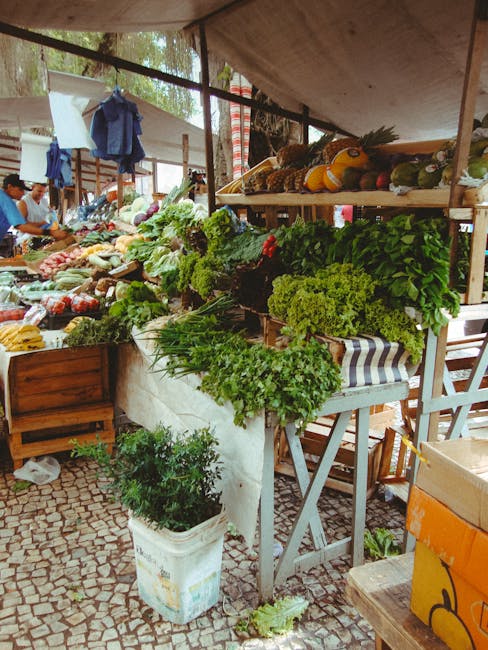
Section 1 — Quick prep: 60 seconds before you step up to a stall
Estimated time: 1 minute. Objective: leave with the right mental checklist to bargain quickly and well.
- Fast checklist (60 s):
- Target item (e.g. linen tablecloth, pottery, 1 kg of tomatoes)
- Reference price (see examples below)
- Maximum budget in euros (cash or card)
- Opening language (simple Portuguese or English)
- Time limit (max 5 minutes total)
Reference price examples in the Algarve (practical approximations, valid in high season):
- Fresh fish (sardines): €6–10/kg
- Local tomatoes: €1–2/kg
- Oranges: €0.80–1.50/kg
- Small painted ceramic dish: €8–20
- Medium linen tablecloth: €25–60 depending on quality
- Cork coin purse: €6–12
- Pair of handmade sandals: €20–45
Observation techniques (30 seconds):
- Look first without touching: spot the price range (small signs, tags). If everything is the same price, there’s little room to haggle.
- Watch previous customers: did they ask for a discount? Does the vendor seem rushed (few customers) or busy?
- Quickly check quality: stitching, glaze on ceramics, fish smell, freshness of leaves.
Opening lines (10–15 seconds) — speaking Portuguese shows respect and avoids long exchanges:
- « Bom dia, quanto custa este? » (Hello, how much is this?) — simple and direct.
- If you want to show hesitation: « Está um pouco caro para mim… » (That’s a bit expensive for me…)
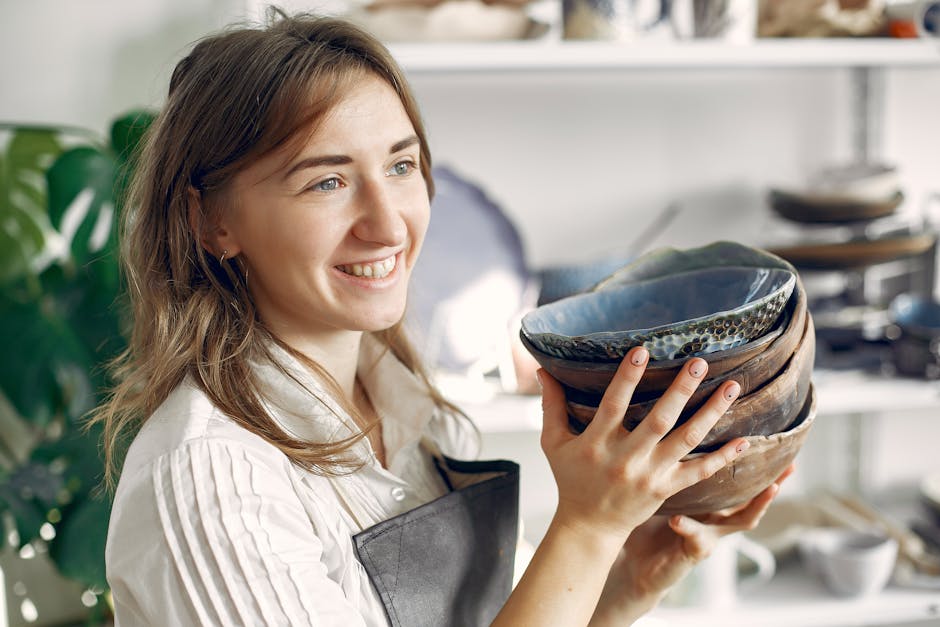
Section 2 — The 5 steps to haggle in under 5 minutes (timed method)
Total target time: 5 minutes max. Each step is timed to keep you on track.
- Approach and open (30–45 seconds)
Approach with a smile, look at the item and use the Portuguese opening line: « Bom dia, quanto custa este? ». If the vendor names a price in euros, mentally note it and repeat it back (« €25? ») for confirmation.
- Initial reaction and offer (30–45 seconds)
Show polite hesitation: « Está um pouco caro para mim… » then make an immediate, precise offer, typically 20–40% below the asking price for crafts (less for food). Example: if you’re told €25, offer €15–18 to start the negotiation. For fresh food, offer 10–20% less.
- Counter-offer and anchoring (45–60 seconds)
If the vendor counters, don’t feel obliged to meet halfway right away. Rephrase your offer with a concrete argument: « Eu levo agora e pago em dinheiro » (I’ll take it now and pay in cash). The promise of immediate cash is a strong lever.
- Quick decision (45–60 seconds)
If the vendor accepts your offer, close quickly: « Perfeito, eu levo » and pay. If the vendor stalls but offers a small extra (free bag, small dish), accept if it fits your budget. If the gap is still too big, make a final offer (slightly higher than your first) and say it’s your last price.
- Wrap-up and communication (30–45 seconds)
Complete the exchange smoothly: count the money in front of the vendor, ask for a bag if needed, say thanks in Portuguese (« Obrigado/Obrigada »). If you want careful packing for transport, ask immediately; it’s often free or costs €0.50–2.
Timing tip: take out your watch or phone as soon as you open. If the process runs past 5 minutes, either accept or step back. The time limit helps you stay firm and fast and prevents a negotiation from dragging on.
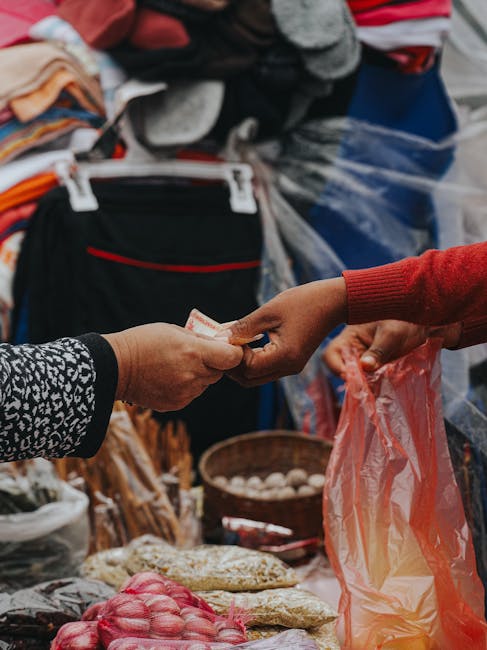
Section 3 — Phrases, numbers and gestures that speed up the close
To keep the negotiation under 5 minutes, you need a short, direct and effective vocabulary. Here’s a list of Portuguese phrases, followed by concrete numeric examples of what to say depending on the product. Use a polite, smiling but firm tone.
- Key phrases (learn these by heart):
- « Quanto custa? » — How much?
- « Está um pouco caro » — That’s a bit expensive
- « Posso ter desconto? » — Can I have a discount?
- « Pago em dinheiro » — I pay in cash
- « Levo já » — I’ll take it now
- « É o meu preço final » — That’s my final price
- « Obrigado/Obrigada » — Thank you (male/female)
Numbered examples to say, by product:
- If a linen tablecloth is marked €50: say « Posso dar 30 €? Pago em dinheiro » (Can I give €30? I’ll pay in cash). The vendor will likely counter with €40; offer €35 as a last price if you want to push.
- For a small ceramic dish marked €15: offer €10 (≈33% off). Many artisans accept €12 if you buy more than one piece.
- For 1 kg of tomatoes marked €2/kg: offer €1.60–1.80/kg if you’re buying multiple kilos, or accept €2 if the tomatoes look premium.
- Handmade sandals at €40: start at €28–30; vendors often accept €32–35.
- For fish (sardines at €8/kg): buy 1 kg and offer €7/kg if you’ll take it right away.
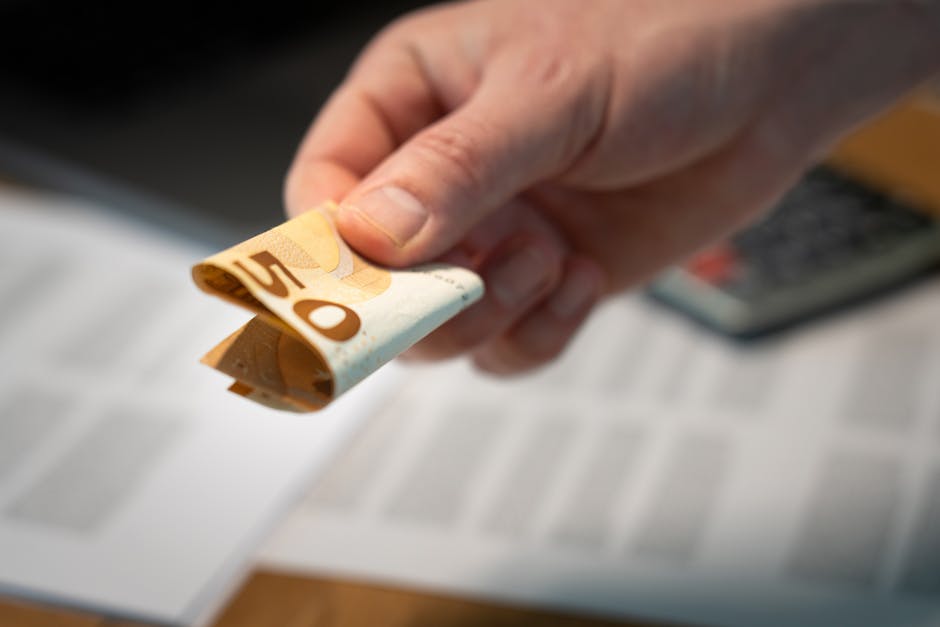
Power gesture: show the exact cash (bills) before naming your price. Example: hold a €20 note visibly while saying « Pago em dinheiro, dou 20 € » — this often helps reach an immediate agreement.
Mistake to avoid: starting with an overly flattering compliment (« it’s beautiful! ») and then making a tiny offer — this can offend the artisan. Prefer a short compliment followed by a serious offer: « Gosto muito, posso dar 18 €? »
Section 4 — Exact addresses, hours and items to target at 5 key markets
To practice these techniques, here are five recommended markets in the Algarve with exact addresses, typical hours and products to prioritise. This info is meant for immediate use — go early, bring cash and focus on the listed items.
- Mercado Municipal de Loulé
Address: Rua do Mercado, 8100-139 Loulé
Typical hours: indoor market open Monday–Saturday 07:00–18:00; large outdoor market on Saturday morning 07:00–13:00 (very busy).
Products to target: ceramics, textiles, vegetables, olives, local cheeses. Indicative prices: small ceramic dish €8–20, artisanal platter €25–45, cheese €10–20/kg.
Tip: arrive at 08:00–09:00 to find fresh, high-quality items and vendors who are more willing to chat. - Mercado Municipal de Olhão (fish market)
Address: Praça da Restauração, 8700-320 Olhão
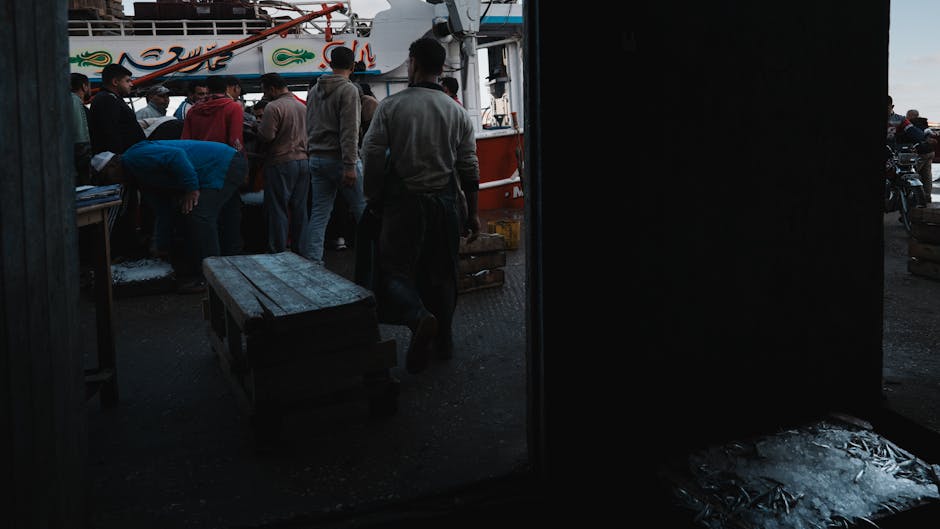
Typical hours: Tuesday–Sunday 07:00–14:00, often closed Monday for fish; the fish market is busiest early in the morning (07:00–10:00).
Products to target: fresh fish (sardines, sea bream), shellfish, homemade preserves. Indicative prices: sardines €6–10/kg, sea bream €7–12/kg.
Tip: prioritise cash payment and say « levo já » to get a discount. - Mercado Municipal de Portimão
Address: Praça Manuel Teixeira Gomes, 8500-001 Portimão
Typical hours: Monday–Saturday 08:00–13:00 (central market is very busy in the mornings).
Products to target: fruit and vegetables, cured meats, artisan olive oil. Indicative prices: small bottle of olive oil €5–10, cured meat boards €6–12.
Tip: buy in quantity (e.g. 2 bottles of oil) to get an immediate discount. - Mercado Municipal de Quarteira
Address: Avenida 25 de Abril, 8125-101 Quarteira
Typical hours: covered market Tuesday–Saturday 08:00–14:00; large seaside fair Sunday mornings depending on season.
Products to target: seafood, cork accessories, souvenirs. Indicative prices: cork coin purse €6–12, cork bag €20–35.
Tip: for cork items, show a bit of regret (« fica caro para mim ») and offer 10–15% less. - Mercado Municipal de Tavira (Mercado da Ribeira)
Address: Praça da República, 8800-320 Tavira
Typical hours: Tuesday–Sunday 07:00–14:00 (very lively in the morning near the river).
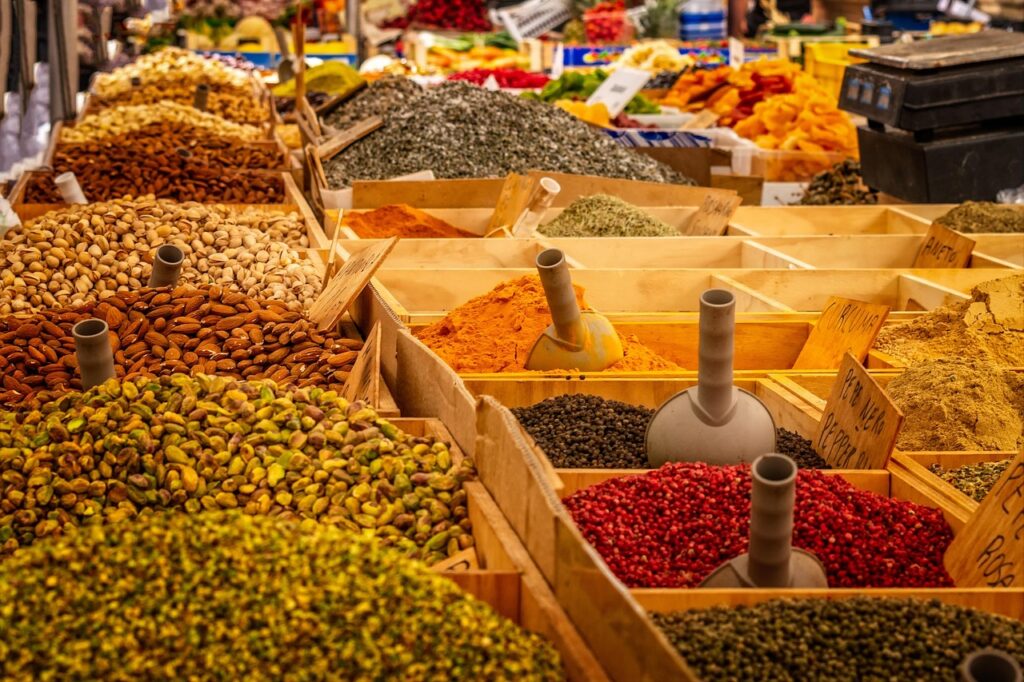
Products to target: painted ceramics, tablecloths, mouraria (local spices). Indicative prices: linen tablecloth €25–60, spices €3–8/pack.
Tip: if you buy a tablecloth, ask for a small discount and free packing for transport.
Section 5 — Common scenarios and ready responses: one-minute practice
This section gives scripts and ready-made responses for the most common situations so you know exactly what to say and do in a 5-minute window. Each scenario includes a recommended time and a model phrase.
- Scenario: vendor gives a fixed price and won’t budge (1 minute)
Action: Show polite resolve. Say: « Muito obrigado, é demasiado para mim. Posso dar X €? » (Thank you, it’s too much for me. Can I give X €?). If the vendor refuses, offer to buy another item to get an overall discount. Time: 45–60 s.
- Scenario: vendor offers a small discount but still pushes a higher price (1 minute)
Action: Offer a compromise: « Posso dar X+1 € e levo já » (I can give X+1 € and take it now). The word « já » (now) is often decisive. Time: 30–45 s.
- Scenario: vendor offers a gift or free packing
Action: Accept if the gift is useful (bag, small item). Say « Obrigado/Obrigada, muito gentil » and close. If you prefer a price reduction to the gift, ask: « Prefere reduzir o preço ou dar o brinde? » (Do you prefer to lower the price or give the gift?). Time: 20–30 s.
- Scenario: buying multiple items — want a bulk discount
Action: Make a simple offer: « Se levo 3, dou X € » (If I take 3, I’ll give X €). Always propose a round number to make the transaction easier (e.g. €30 instead of €29.50). Time: 60–90 s.
- Scenario: you’re short on time (bus or ferry soon)
Action: State your time constraint: « Desculpe, tenho o autocarro em 15 minutos, posso fazer negócio rápido? » (Sorry, I have the bus in 15 minutes, can we do a quick deal?) — this creates time pressure and speeds the decision. Time: 30–60 s.
End-of-transaction mini-checklist (30 s):
- Count the money in front of the vendor
- Ask for a bag/packing if needed
- Say « Obrigado/Obrigada »
- If you’re happy, leave a positive comment and a smile — it opens the door to future purchases
Conclusion — Practical recap and an action plan for your next 5 bargains
This guide gave you a simple, immediate method: prepare for 60 seconds, follow the five timed steps, use precise phrases and numbers, target the right markets and respond with ready scripts. The key is preparation, politeness and clarity: show the money, propose a specific price, say you’ll take the item right away and close. A respectful tone and speed are appreciated in the Algarve and greatly increase your chances of getting a good deal.
Concrete action plan for your next visit:
- Choose a market from the list (e.g. Mercado Municipal de Loulé) and note the address: Rua do Mercado, 8100-139 Loulé. Arrive between 08:00 and 09:00.
- Decide on 2 or 3 items to buy (e.g. 1 tablecloth, 1 small dish, 1 cork coin purse) and set a total budget.
- Memorise or write down three Portuguese phrases from the guide (« Quanto custa? », « Posso ter desconto? », « Pago em dinheiro »).
- Practice the 5-minute technique: start the negotiation, make an offer, show cash, close.
Finally, remember that bargaining at Algarve markets is as social as it is commercial: it’s a chance to connect with artisans and fishermen and to take home not just objects but stories. Respect the sellers, value their work and don’t forget to say a warm « Obrigado/Obrigada ». Happy shopping — and enjoy the colours, smells and rhythm of the Algarve markets!