





Introduction — Algarve off-season: why you should stay alert on beaches and at markets
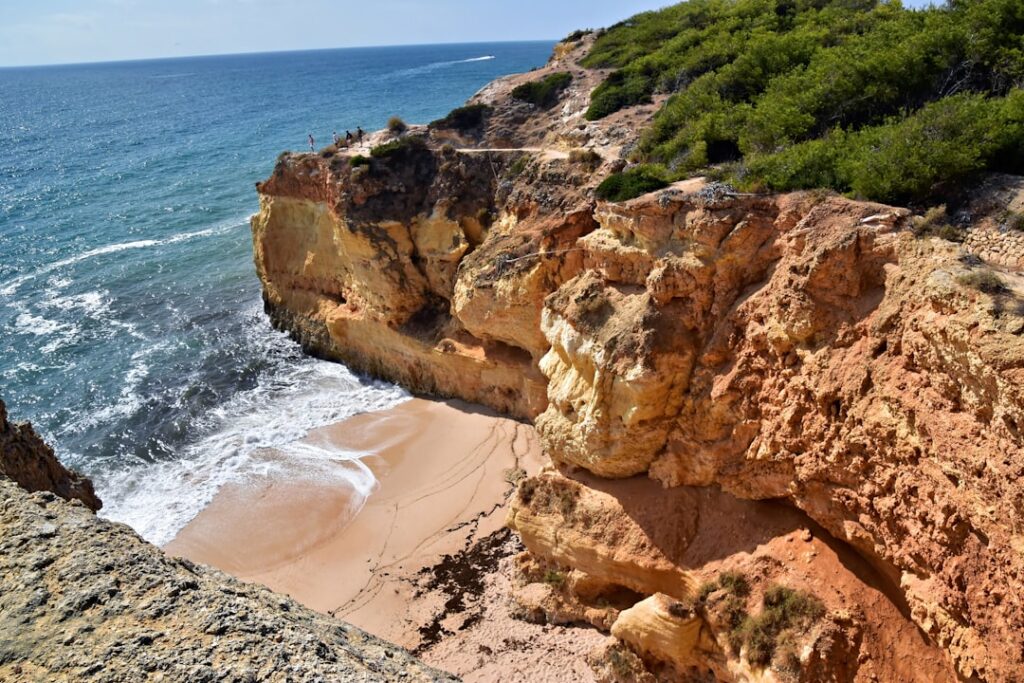
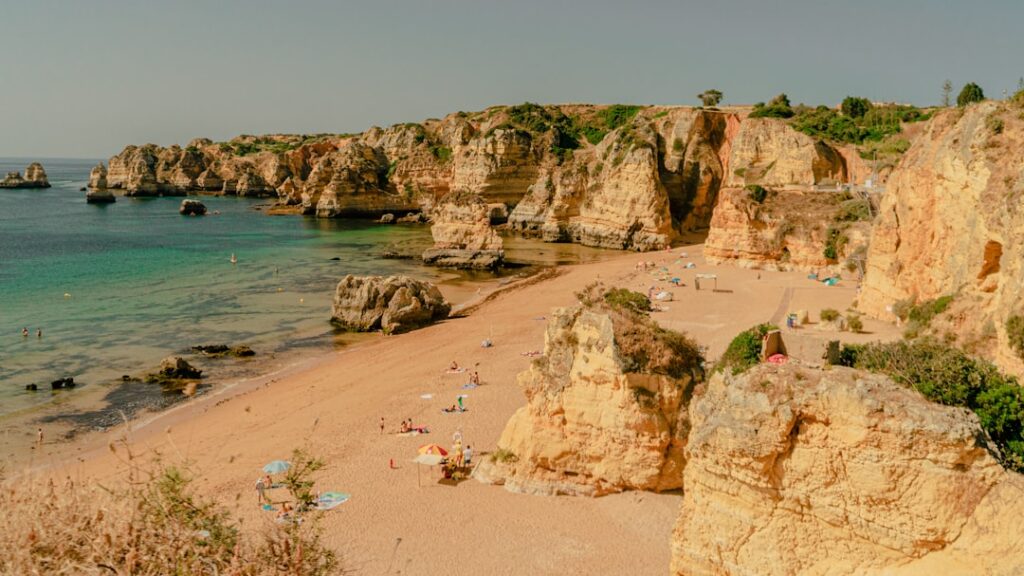
The Algarve, at the very south of Portugal, is a region whose light, ochre cliffs and golden beaches draw visitors year-round. Off-season (November to March, sometimes October and April) the crowds thin out, accommodation prices fall and you discover a quieter, more authentic Algarve — perfect if you want to escape the summer hustle. But that calm can hide different kinds of pitfalls: subtler scams on deserted beaches, shops that overcharge isolated tourists, improvised market stallholders taking advantage of a hurried buyer, or informal tourist services that don’t follow local regulations in low season.
This comprehensive guide, written for the savvy traveler, explains how to spot and avoid those scams on Algarve beaches and in its markets during the off-season. It covers concrete locations — beaches like Praia da Rocha (Portimão), Praia da Marinha (Carvoeiro/Lagoa), urban zones like Marina de Lagos (Av. dos Descobrimentos, 8600-315 Lagos) — and well-known markets: Mercado Municipal de Loulé, Mercado Municipal de Olhão (Mercado de Olhão), Mercado Municipal de Faro. You’ll find addresses, typical opening hours, price ranges (in euros), common scam examples and, above all, practical local strategies for buying, bargaining and staying safe. The tips are actionable: what to do if a fisherman offers an unlicensed “boat trip”, how to check fish freshness at a stall, or how not to end up paying double for a taxi in Tavira’s small streets.
Off-season the local economy changes: some businesses close, others cut their hours (e.g. restaurants closing between 3pm and 6pm), and most markets run at a slower pace — which can be an advantage (less competition, better conversation) but also a source of targeted scams. The most common scams aren’t always blatantly dishonest at first glance: menu overcharging when prices aren’t clear, replacing an ordered item with a lower-quality version, hidden fees for « last-minute » services. This guide gives concrete examples and useful Portuguese phrases to politely decline a suspicious offer, plus contacts and tips to verify a supplier’s legitimacy.
Finally, we include local recommendations — for example, where to buy authentic olive oil (producers around Monchique and Loulé), which market stalls to favour for fish (fishmongers with iced counters and local catch chains in Olhão), or which paid car parks use official meters (Portimão and Lagos). By the end of this article you’ll know how to enjoy the Algarve off-season with peace of mind: hiking the cliffs at Praia da Marinha without being caught by an uninsured informal guide, buying juicy oranges at the municipal market without overpaying, and navigating the shopping streets of Albufeira and Tavira with confidence.
1) Common beach scams: spotting red flags, typical prices and suspicious behaviour
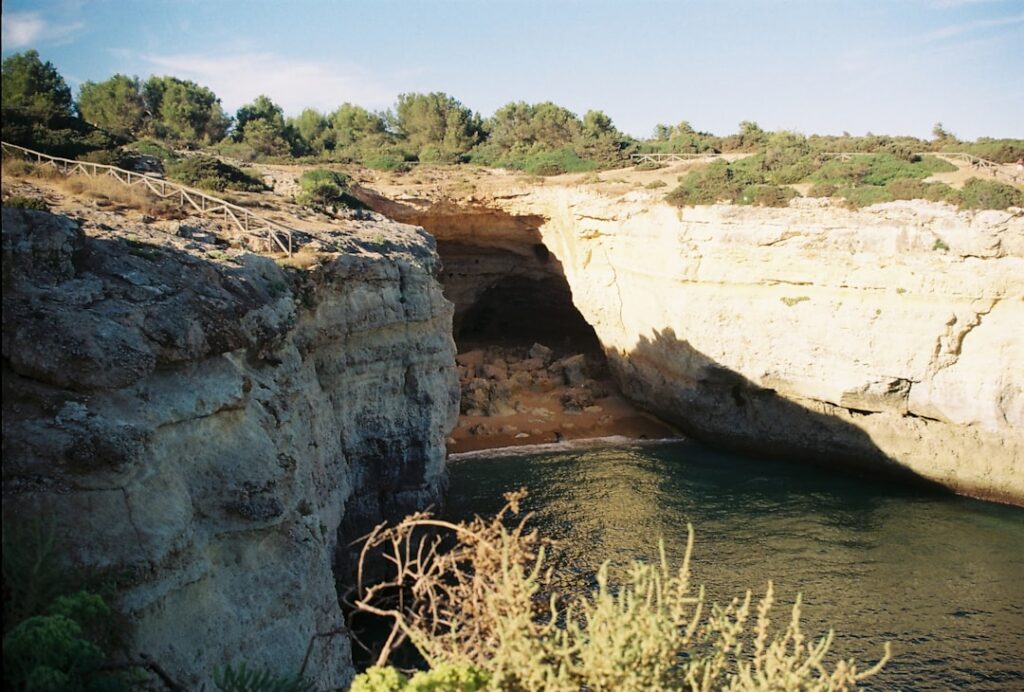
The Algarve’s beaches are often where scams occur, even off-season. At popular spots like Praia da Rocha (Av. Tomás Cabreira, 8500-802 Portimão), Praia da Marinha (Carvoeiro area, near 8400-511 Lagoa) or the coves around Benagil, you may encounter several types of scams. In off-season the beaches are less supervised: unauthorised hawkers, improvised “boat trip” offers and sometimes small groups proposing cheap activities without insurance are more likely to appear.
Concrete examples:
- Unlicensed boat trips — A fisherman or private individual offers a “boat trip” to the caves (Benagil caves) for €25–40 per person; off-season they may use an uncertified boat. If an official excursion from Marina de Portimão (Rua D. Carlos I, 8500-804 Portimão) lists €30–45 with insurance and a guide, avoid “cash-only” deals and ask to see licences. Typical off-season prices for a cave tour: €30–40 adults, €15–20 children, usual hours 10:00–16:00 depending on weather.
- Beach sellers offering fake luxury goods — “Branded” sunglasses for €10–15 or imitation bags sold directly on the sand. On the beach, only accept sellers who can provide a receipt and avoid paying cash without a ticket; counterfeits are common and quality is usually very poor.
- Pushy tip demands — Some service providers (amateur photographers, informal masseurs) may demand disproportionate tips afterwards. Indicative price for an informal massage: €20–30 for 30 minutes; always ask the price beforehand. If the masseur refuses to say, politely decline.
- Poorly insured surf/stand-up rentals — Offers for boards or inflatable SUPs at €15–30/hour without a contract or helmets. Prefer official centres that display their prices: e.g. Surf Center Portimão, Av. Tomás Cabreira, 8500-802 Portimão, off-season rate €15/hour for a board, hours 09:00–17:00.
Practical tips:
- Ask for a ticket or written contract, including the name and RNT number (Registo Nacional do Turismo) for tourist excursions.
- Don’t pay cash without proof. Prefer card payments or a paper receipt detailing the service.
- Compare prices: if a tour from Marina de Lagos (Av. dos Descobrimentos, 8600-315 Lagos) costs €35 officially, a €15 offer is suspicious.
- Check for life jackets and safety equipment on boats (fire extinguisher, beacon, life jackets). Refuse to board without these items.
2) Municipal markets: avoiding food scams and knowing fair prices
The Algarve’s municipal markets — Mercado Municipal de Loulé (Mercado Municipal de Loulé, Praça Dom Afonso III, 8100-364 Loulé), Mercado Municipal de Olhão (Mercado de Olhão, Praça da República, 8700-356 Olhão), Mercado Municipal de Faro (Mercado Municipal de Faro, Rua de Santo António, 8000-173 Faro) — remain excellent places to buy fresh produce, preserves, cheeses and fish. Off-season some stalls close earlier (typical hours 07:00–13:00) and crowds thin; this is great for chatting with a fishmonger but watch out for deceptive practices.
Frequent scams:
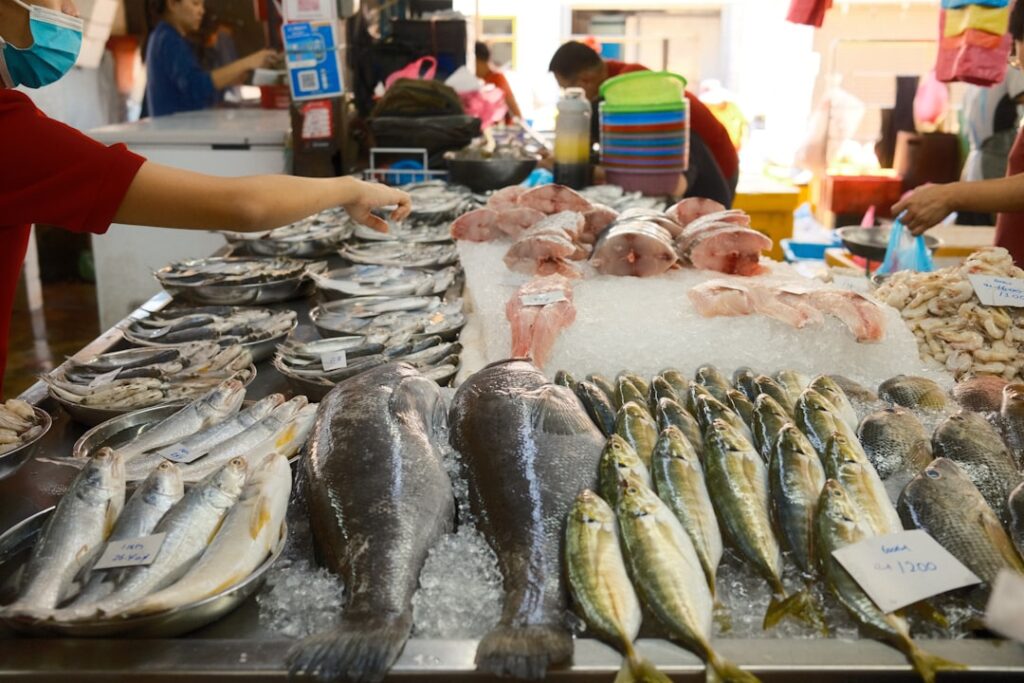
- Fish sold without real weight — A seller might eyeball the weight and inflate it. Legitimate fishmongers have a visible scale and provide a receipt. Indicative off-season prices: fresh sardines €6–10/kg, dourada (gilthead bream) €10–18/kg, bacalhau (salted cod) €7–12/kg (depending on quality and curing).
- “Authentic” olive oils that are diluted — Off-season some stalls sell oil at very low prices (€4–6/litre) that may be blended. Look for DOP labels (Denominação de Origem Protegida) — e.g. Azeite do Algarve DOP — and buy from reputable producers (Quinta do Algarve, Quinta do Fronteira — check the label).
- Incorrectly weighed buckwheat, spices and bagged goods — Ask the seller to weigh in front of you. Indicative prices: oranges €1–2/kg, tomatoes €1–2/kg, roasted almonds €6–10/kg.
- Overpriced “handmade” souvenirs — Ceramics or cork items without labels sold for much more than they’re worth. On markets a small azulejo magnet should cost €2–5, not €12–15.
Local tips:
- Watch the scale: demand a visible weighing and a receipt. If fish is taken from an opaque bucket, refuse the sale.
- Knowing reference prices (see ranges above) helps you negotiate: start by offering 10–20% less than the asking price if you suspect inflation.
- Favor fishmongers who display origin (local catch vs imported); freshly caught fish is sold on ice, in view, with shiny scales and a faint sea smell (no ammonia odor).
- Bargain politely: “Quanto custa por quilo?” (How much per kilo?); if the seller refuses to weigh, move to another stall.
3) Transport, taxis and parking: clear fares and common off-season scams
Getting around off-season is easier traffic-wise, but some scams remain: taxis not turning on the meter, unofficial parking attendants asking extra fees, or car rental companies offering low rates but requiring large security deposits or tacking on fees. Here are precise markers to avoid unpleasant surprises.
Taxis:
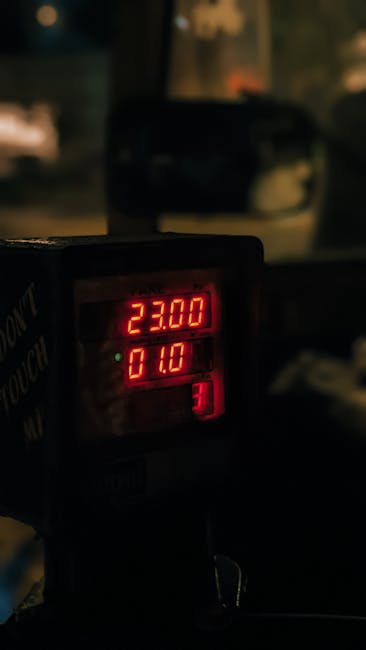
- Meters: official taxis (with a “Táxi” sign and licence) must use the meter (taxímetro). Example fares: from Faro Airport (Aeroporto de Faro, 8000-078 Faro) to Faro centre (Praça Dom Francisco Gomes, 8000 Faro) about €10–12 outside night hours. From the airport to Albufeira centre (Rua 5 de Outubro, 8200-161 Albufeira) €35–45 depending on luggage and time.
- Common scam: driver proposes a fixed “cash only” price that’s much higher. Insist on turning on the meter; refuse the ride if the driver won’t.
Parking:
- Official paid car parks: Portimão (Parque de Estacionamento da Praia da Rocha, Avenida Tomás Cabreira, 8500-802 Portimão) or Marina de Lagos (Parque de Estacionamento da Marina de Lagos, Av. dos Descobrimentos, 8600-315 Lagos). Off-season rates: €1–2/hour, daily €6–12 depending on location.
- Possible scam: unofficial “watchers” offering to watch your car for €10–20 cash. Prefer official car parks with pay stations or visible cameras; if you pay an attendant, note their name and the parking spot ID.
Car rental:
- Be cautious with small local renters offering very low rates (€20–30/day) but demanding excessive security deposits or adding fees for “insurance” when you return the car. Choose recognised agencies (Sixt, Europcar, AVIS) or verify platforms that include insurance. Check the vehicle together and take dated photos before leaving.
Practical tips:
- Ask for a receipt and note the taxi’s plate number and licence number.
- Use reputable ride-hailing apps (if available) to compare prices; they show an estimated route and fare.
- Keep your parking ticket. If an unofficial attendant asks for your keys, refuse — keep your documents on you.
4) Restaurants and bars: menus, billing and local specialties to know
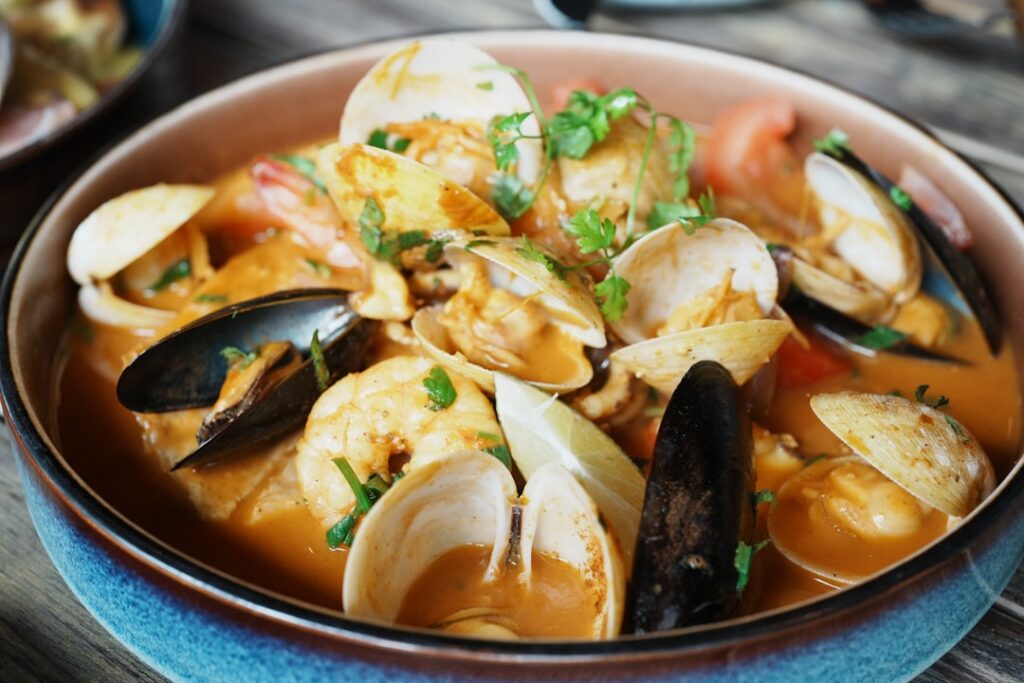
Off-season many restaurants shorten their menus and hours. The most common culinary scams are hidden fees (service not clearly indicated, cover charge) or product substitutions. Knowing a few typical dishes and their prices helps spot anomalies: cataplana de marisco, arroz de marisco, pasteis de nata for dessert.
Practical examples:
- Familiar restaurants and useful addresses: Restaurante F (e.g. Restaurante O Forno, Rua 5 de Outubro, 8200-161 Albufeira) — off-season a main course €10–18, soup €3–6, dessert €2–5. Typical hours 12:00–15:00 and 19:00–22:00; some close on Tuesdays.
- Unannounced cover charge: in the Algarve it’s sometimes common for bread and oil (couvert) to be charged; the amount should be posted (often €1–3 per person). If the cover isn’t announced, ask before consuming.
- Smoked or grilled fish: order by name and ask for origin. A cataplana de marisco in a mid-range restaurant off-season: €18–28 per person. If the bill seems excessive, ask for an itemised receipt and compare with the menu prices.
- Common scams: unadvertised “specials” that later appear inflated on the bill; multilingual menus that omit prices. Always request the menu with prices before ordering.
Tips:
- Always ask for the menu with prices in euros. If the verbal menu differs from the bill, demand a correction.
- Prefer restaurants with local clientele off-season — a good sign of quality and fair prices.
- To avoid hidden charges, ask “Está incluído o couvert?” (Is the cover charge included?) and “Posso ter o preço do prato por favor?” (May I have the price of the dish, please?).
Conclusion — Smart travel in the Algarve off-season: vigilance and enjoyment
Traveling the Algarve off-season is a rewarding experience: more intimate landscapes, calmer markets and a more authentic atmosphere. However, this period also requires more attention. Scams may be less dramatic but more targeted — improvised sellers on beaches, uninsured excursions, opaque commercial practices at municipal markets and some taxis trying to exploit a lone visitor. With the practical information and addresses listed here (Praia da Rocha, Marina de Lagos, Mercado Municipal de Loulé, Mercado de Olhão, Mercado Municipal de Faro), the price ranges and typical hours provided, you’re better equipped to spot warning signs and negotiate confidently.
Remember the simple rules: demand written proof (ticket, contract, licence), compare official offers (rental centres, established stalls, RNT-registered boat companies), and favour providers who are frequented by locals. An unusually low price is often a red flag; always ask about the origin of food items and check freshness visually (fish on ice, shiny scales). Likewise, for nautical activities don’t board without life jackets and without seeing the boat’s documentation. Finally, learn a few useful Portuguese phrases and carry a card with key addresses — it makes communication easier and discourages scam attempts.
By following these tips — insisting on weighing produce at the market, asking prices clearly, checking licences, and refusing suspicious “cash-only” offers — you can fully enjoy the Algarve off-season: cliff hikes at Praia da Marinha, peaceful sunset strolls at Marina de Lagos, or tasting fresh fish at Mercado de Olhão. Travel with curiosity, caution and respect for local communities, and the Algarve off-season will reward you with unique memories and no unpleasant surprises.