




Introduction: Algarve Weather Calendar — Spring, Summer, Autumn, Winter Side by Side
The Algarve, Portugal’s southernmost region, is famous for its golden cliffs, sheltered beaches and mild Mediterranean climate. Understanding the Algarve weather calendar season by season is key to planning a successful trip: outdoor activities, swimming, birdwatching in the Ria Formosa or exploring historic towns. This detailed guide puts spring, summer, autumn and winter side by side, covering not only prevailing weather patterns but also concrete places, addresses, opening times and typical prices so you can plan outings and excursions with confidence.
Weather shapes the travel experience: in April, pleasant temperatures are perfect for coastal hikes; in August, steady heat and relatively warm waters invite swimming and water sports; in November, sporadic showers may change plans but offer quieter scenery and lower prices; in January, the Algarve stays mild compared with northern Europe, making it a popular winter getaway for off-season sun seekers.
In this guide each season is laid out in detail — average temperatures, rainfall, sunshine and wind influence — along with practical tips and concrete activity examples. You’ll also find specific addresses like the Centro Histórico de Faro (Praça Dom Francisco Gomes, 8000-168 Faro), information on boat crossings to Culatra Island or visiting Benagil Cave (Praia de Benagil, 8400-055 Carvoeiro), and current price indications: for example, a boat trip to Benagil Cave typically ranges around €25–€40 per adult depending on duration and departure point.
Finally, this guide offers useful local tips: when to book, what to pack, recommended hours to avoid crowds, and how to enjoy local food and markets like the Mercado Municipal de Loulé (Rua do Mercado, 8100-541 Loulé, open Tuesday to Saturday from 07:00 to 13:30), where entry is free but plan for about €10–€20 per person for a fresh-produce-based lunch.
Spring in the Algarve (March to May): Mild Weather, Wildflowers and Coastal Hikes
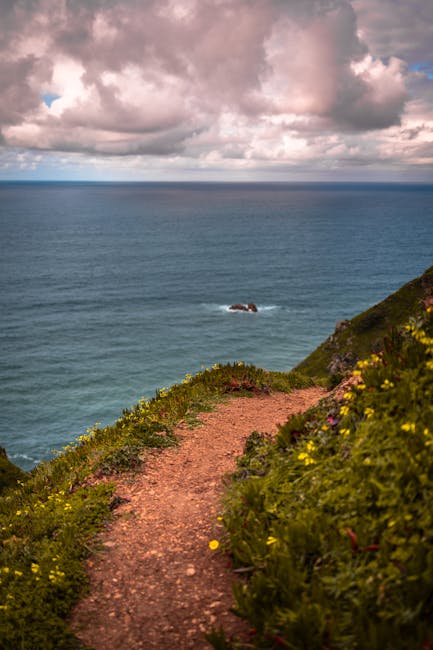
Spring in the Algarve is a season of renewal: pleasant temperatures, longer days, less rain than winter and a burst of wildflowers along the trails. Average temperatures range between 14°C in the mornings and 22°C in the afternoons in April–May. It’s the perfect time to hike the Seven Hanging Valleys Trail, visit whitewashed villages and enjoy beaches without the summer crowds.
Recommended activities:
- Seven Hanging Valleys Trail hike — Often starts from Praia da Marinha, 8401-508 Lagoa. Free access; bring hiking shoes, water and sun protection. Typical duration: 2 to 4 hours depending on route.
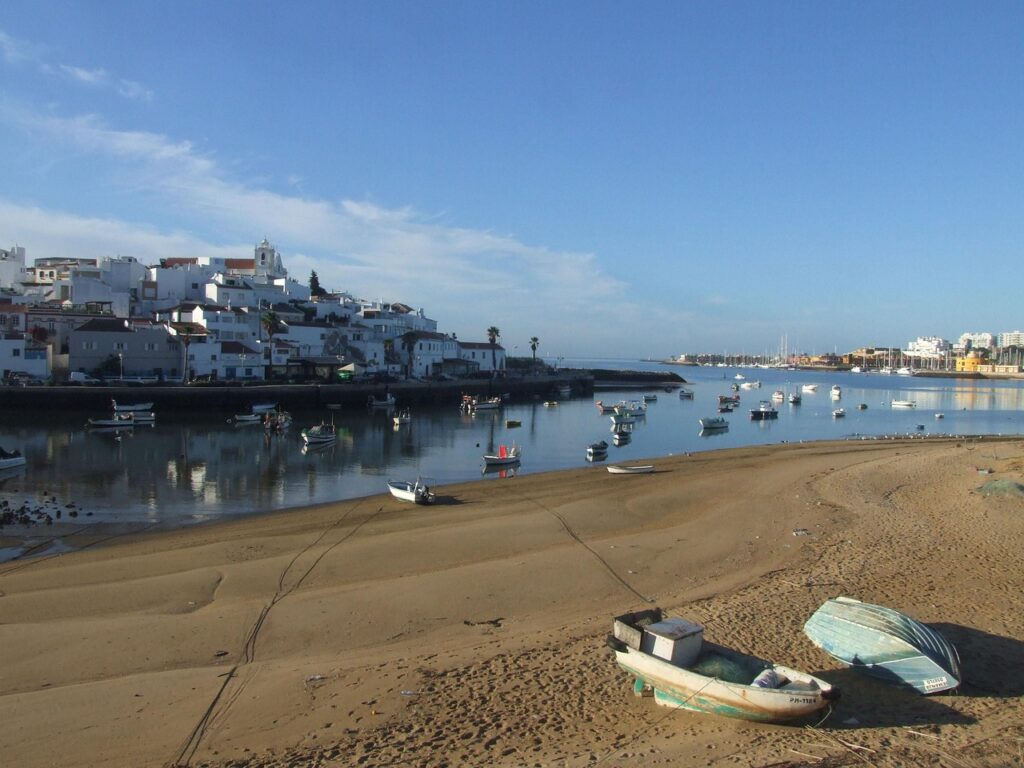
- Birdwatching in the Ria Formosa — Book a trip from Faro Marina, Av. da República, 8000-282 Faro. Guided tours: around €20–€35 per person, 2–3 hours. Best times: sunrise or late afternoon for the best light.
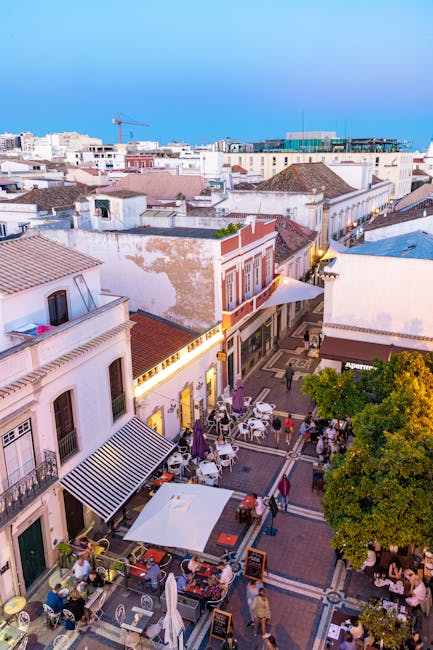
- Visit Faro’s Historic Centre — Praça Dom Francisco Gomes, 8000-168 Faro. Museums like the Museu Municipal de Faro (Rua do Prior, 8000-225 Faro): entrance about €3–€5, generally open 10:00–17:30 depending on the season.
Practical weather tips:
- Dress in layers: cool mornings (12–15°C) and warm afternoons (20–23°C) — a light jacket is advised.
- Rain is uncommon but possible in March; a compact waterproof windbreaker can save a hike.
- Beaches often see a moderate sea breeze; bring a hat and sunglasses.
Food and markets:
- Mercado Municipal de Loulé — Rua do Mercado, 8100-541 Loulé. Open Tuesday to Saturday 07:00–13:30, closed Sundays. Free entry; tastings and purchases: typical budget €5–€30 depending on what you buy.
- A Forja restaurant — Rua 5 de Outubro 13, 8600-645 Lagos. Grilled fish specialties, shareable plates generally around €12–€25 per dish. Opening hours: 12:00–15:00 / 19:00–22:30.
Summer in the Algarve (June to August): Sun, Beaches and Maximum Water Activity
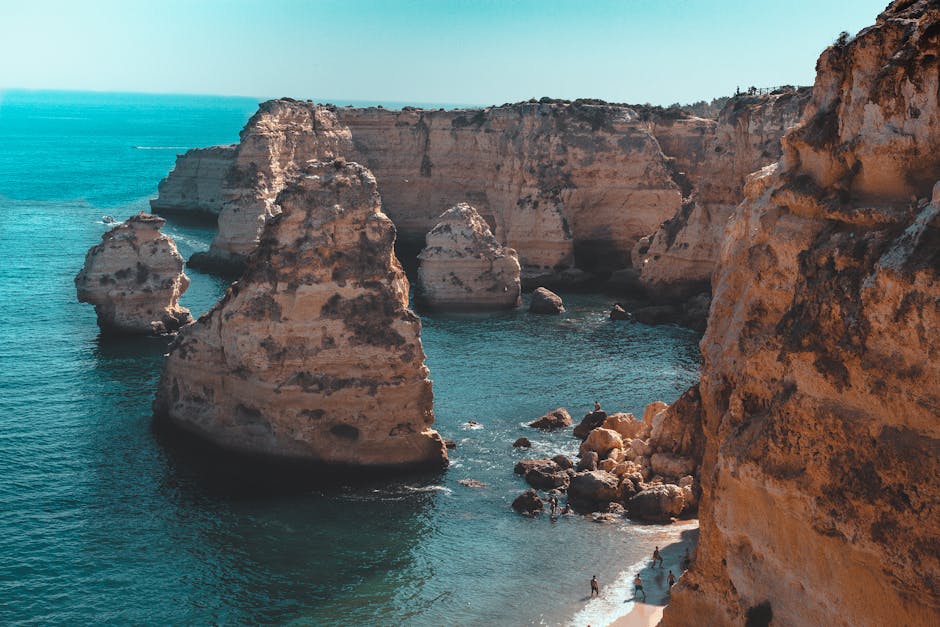
Summer is high season: almost constant blue skies, daytime temperatures from 25°C to 31°C, and sea temperatures warming to about 20–23°C. Beaches like Praia da Marinha (Praia da Marinha, 8401-508 Lagoa) and Praia de Benagil (Benagil Beach, 8400-055 Carvoeiro) get very busy. It’s the ideal time for diving, kayaking, paddleboarding and boat trips to sea caves.
Key activities and practical info:
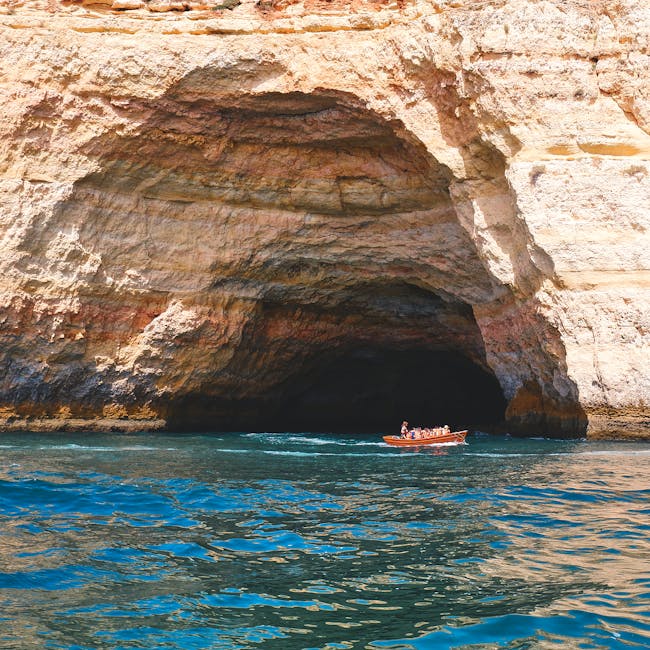
- Boat trip to Benagil Cave — Frequent departures from Praia de Benagil or Portimão Marina, Avenida Tomás Cabreira, 8500-802 Portimão. Approximate price: €25–€40 per person for a 1-hour trip. Departures run regularly from 09:00–18:00 in high season.
- Kayak and stand-up paddle — Rentals at Praia da Rocha, Avenida Tomás Cabreira, 8500-802 Portimão. Average rate: €15–€30 for 1–2 hours depending on equipment. Tip: book morning or late afternoon to avoid swell and intense heat.
- Beach comfort — Sunbed and umbrella rental: about €10–€20 per day per person depending on beach and operator.
Weather and crowd tips:
- Book accommodation and water activities well in advance (2–4 months): hotels and excursions often charge higher rates in July–August.
- To avoid crowds, start early: beaches and trails are calmer before 09:30.
- Stay hydrated and use high-SPF sunscreen; light reflecting off the water increases burn risk.
Useful addresses:
- Lagos Marina — Praça do Infante D. Henrique, 8600-315 Lagos. Tour desks open 09:00–19:00 in summer, on-site info and bookings available.
- Algarve Surf School — Rua António Bivar 20, 8500-003 Portimão. Surf lessons: around €35–€60 per session depending on length. Hours: 09:00–17:00, booking recommended.
Autumn in the Algarve (September to November): Extended Warmth and Golden Hues
Autumn remains one of the best times to visit the Algarve. September often extends the summer with temperatures around 22–28°C, while October–November cool down (averages 15–22°C) and rain gradually returns. Crowds thin, prices fall and you can still enjoy beaches and water activities, especially in September.
Highlights and recommended spots:
- Praia da Falésia — Estr. da Falésia, 8200-139 Albufeira. A long beach with red cliffs and dunes; lovely evening walks. Paid parking varies by area; beach bars typically open until the end of September.
- Visit Tavira — Boat link to Ilha de Tavira from Tavira harbour, Praça da República, 8800-314 Tavira. Crossing to Ilha de Tavira: about €6–€12 return depending on operator and season. Timetables: frequent daytime services, fewer outside high season.
- Algarve wine route — Several producers open for tastings in autumn. Example: Adega do Cantor (Rua do Cantor, 8400-123 Lagoa) — tours and tastings: roughly €10–€25 per person by reservation, opening hours vary (generally 10:00–17:00).
Weather and practical advice:
- Pack a light waterproof jacket and a fleece: evenings can be cool, especially by the coast (sea breeze).
- The sea stays quite pleasant in September–October — swimming is still possible — but water temperatures drop progressively in November.
- Take advantage of off-season rates to stay in higher-end hotels for less; most remain open until the end of October, some year-round.
Concrete planning examples:
- Pensão Atlantic — Rua Cândido dos Reis 12, 8600-691 Lagos. Double room off-season: about €50–€80 per night depending on dates. Typical reception hours: 08:00–22:00.
- Ria Formosa Natural Park — Information at the Centro de Ciência Viva do Algarve, Rua do Município 16, 8800-391 Tavira. Entry and activities: about €5–€20 depending on exhibits and guided tours. Hours: 10:00–17:00, closed some days in low season.
Winter in the Algarve (December to February): Mild Temperatures, Tranquility and Off-Season Escapes
Winter in the Algarve is mild compared to most of Europe: daytime temperatures often sit between 12°C and 18°C, with cooler nights around 8–12°C. Rainfall is more frequent, especially in December and January, but sunny days remain common. Surfers and hikers enjoy nearly empty landscapes and attractive accommodation rates.
What to do in winter:
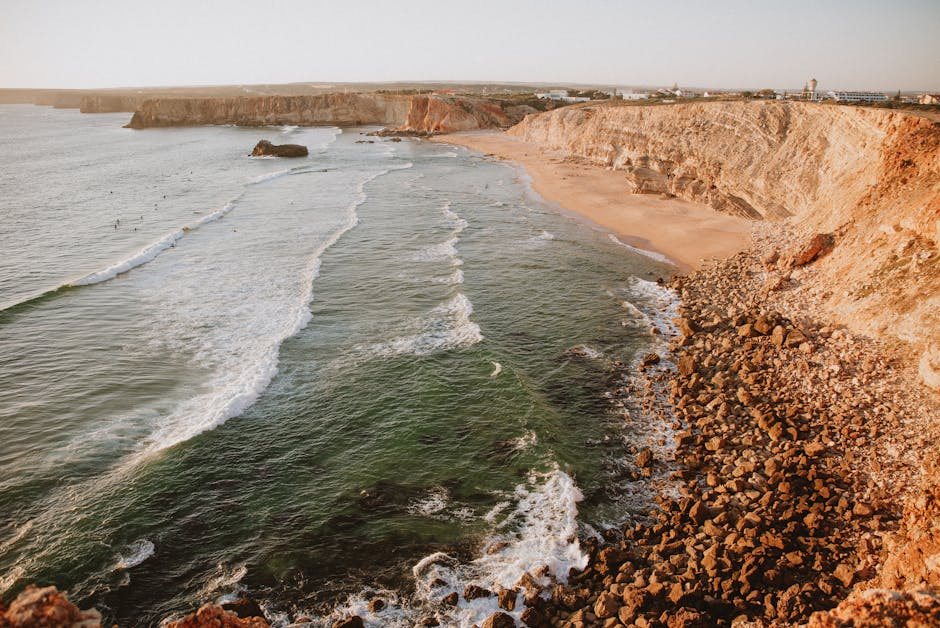
- Surf in Sagres — Sagres Surf School, Praça da República 7, 8650-356 Sagres. Sessions: around €30–€50 per lesson depending on duration and equipment. Hours: 09:00–16:00, conditions depending on the waves.
- Stroll Faro’s old town — Centro Histórico, Praça do Município, 8000-168 Faro. Museums and cafés open year-round; many restaurants stay open, perfect to enjoy a fish cataplana for around €18–€30 per person.
- Flamingo watching — Ria Formosa and salt pans near Olhão, Rua José Augusto Pinto 6, 8700-305 Olhão. Best non-migration sighting season: November to March. Guided observation tours: €15–€30, morning hours recommended.
Winter practical tips:
- Book ahead for Christmas and New Year: towns like Lagos and Albufeira host events and may have slightly higher rates on those dates.
- Bring warm layers for evenings and mornings, plus waterproof shoes for rainy or muddy trails.
- Check attraction timetables: many boat tours run on reduced schedules and some sites adapt opening hours in low season.
Addresses and prices to know:
- Centro Ciência Viva do Algarve — Rua do Município 16, 8800-391 Tavira. Indoor exhibits are great for rainy days. Entrance: about €4–€6, hours 10:00–16:00 in winter.
- Mercado Municipal de Faro — Av. da República, 8000-168 Faro. Open Monday to Saturday, 07:00–14:00. Great for buying fresh fish and local products at low prices: average market meal budget €5–€20.
Practical Tips, Timetables and Local Hacks All Year Round
To make the most of the Algarve no matter the season, here are concrete recommendations: when to book, how to get around and what to pack. Transport in the region is provided by bus lines (Eva Transportes, Faro Bus Station, Praça do Município, 8000-168 Faro) and trains on the southern line (CP — Comboios de Portugal, Faro station, Praça da Estação, 8000-168 Faro). Expect roughly €5–€15 for intercity trips depending on distance.
Booking tips:
- High season (July–August): reserve accommodation and excursions 3–6 months in advance.
- Spring and autumn: 1–2 months is usually enough for most hotels and activities, but popular tours (Benagil, Ria Formosa) may require early booking on weekends.
- Winter: many places offer attractive rates, but check opening days for restaurants and local services.
Recommended gear by season:
- Spring/Autumn: light jackets, hiking shoes, hat, small rain kit.
- Summer: light clothing, SPF 30+ sunscreen, reusable water bottle, pre-book water activities.
- Winter: warm windproof jacket, waterproof shoes, layered clothing and a plan B for indoor activities.
Useful services and emergency contacts:
- Medical center/hospital: Hospital de Faro — Estr. da Penha 8005-195 Faro. Emergency 24/7.
- Tourist/harbour police for reporting sea incidents: Capitania do Porto de Portimão — Av. Tomás Cabreira, 8500-803 Portimão. Hours vary; contact the local station if needed.
In summary, the Algarve weather calendar offers a wide range of options: a flower-filled spring for hiking, a sunny summer for sea fun, a calm autumn for culture and wine, and a mild winter for peace and quiet. Plan according to your priorities — water sports, beach relaxation, or cultural exploration — and adapt bookings and gear to the season for a smooth, enjoyable trip.
Conclusion: Choosing the Best Time for Your Algarve Trip
Deciding when to visit the Algarve depends on what you want: looking for heat and lively beaches? Summer (June–August) is the obvious choice, with a full range of water activities, boat trips (Benagil Cave from Praia de Benagil, €25–€40) and restaurants open late. Want peace, blooming trails and comfortable walking temperatures? Spring (March–May) delivers a balanced experience, fewer crowds and spectacular scenery for the Seven Hanging Valleys Trail (often starting at Praia da Marinha, 8401-508 Lagoa).
If you want to extend summer without the crowds, autumn (September–October) still has warm days, gentler prices and a sea often pleasant enough for swimming. Winter (December–February) is ideal for travelers seeking quiet, bargain rates and a mild climate to explore historic towns like Faro (Centro Histórico, Praça Dom Francisco Gomes, 8000-168 Faro) or enjoy local cuisine without queues.
Whatever time you choose, keep these golden rules in mind: book early in high season, pack layers to deal with temperature swings, and double-check ferry and excursion timetables (many operators reduce services off-season). For concrete experiences, visit Mercado Municipal de Loulé (Rua do Mercado, 8100-541 Loulé) for an authentic market, book a boat trip from Lagos Marina (Praça do Infante D. Henrique, 8600-315 Lagos) and explore natural areas like the Ria Formosa (information centers in Faro and Tavira).
By following this comparative weather calendar and the practical tips provided, you’ll not only know what to expect weather-wise but also how to prepare each day: from crowded summer beaches to misty winter mornings, through the spring trails in bloom and the autumn grape harvests. The Algarve is a year-round destination — pick the season that best fits your travel style.