





Introduction — Beach safety in the Algarve: why this guide matters
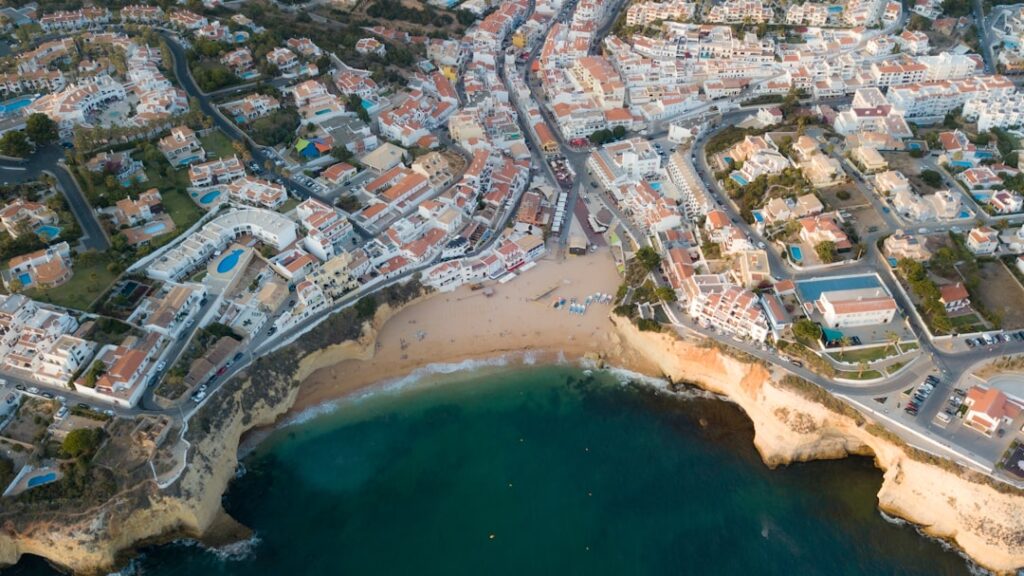
The Algarve, Portugal’s southernmost region, draws millions of visitors each year with its golden cliffs, sea caves and postcard-perfect beaches. Famous spots like Praia da Marinha in Carvoeiro, Praia da Rocha in Portimão, Benagil Beach near Albufeira and the wild coast around Sagres deliver stunning views — but they also hide risks that many visitors underestimate. This guide aims to correct common mistakes seen along the Algarve coast, with practical information, exact addresses, opening times, typical prices and local tips to help you anticipate and avoid incidents.
Visitor errors aren’t just about a lack of caution; they often stem from not knowing local conditions: shifting coastal currents, strong shore breaks, unsupervised beaches, unstable cliffs and changeable weather. Understanding lifeguard flags, knowing which beaches are monitored and where to find help (police, SNS 24, on-call pharmacies) are key to enjoying summer safely. This guide gives concrete reference points: contacts, emergency numbers, usual fees for beach services, lifeguard station hours and best practices for popular activities (swimming, stand-up paddle, boat trips and sea cave excursions).
We include precise locations so you can orient yourself on the ground. For example, the main lifeguard station at Praia da Rocha is usually near the Parque de Estacionamento Praia da Rocha, Avenida Tomás Cabreira, 8500-802 Portimão; the small square and quay at Marina de Faro (Rua da Alfândega, 8000-160 Faro) offer boat departures and emergency services nearby. Benagil caves (Praia de Benagil, 8400-540 Benagil/Algarve) attract swimmers and kayakers despite tricky waves. We’ll list common mistakes — like ignoring prohibition signs, overestimating open-water skills, or leaving children unsupervised — and provide practical, numbers-backed solutions.
The tone here is informative and professional, structured for on-the-ground use: thematic sections, practical local tips, full addresses, indicative prices (in euros) and typical opening hours (lifeguard shifts, rental desks, local markets). Recommendations are grounded in Algarve reality and feedback from coastal rescue teams and residents. Before you set off or head down to the sand, keep these pages handy: they could prevent a bad experience or a serious accident while helping you make the most of the Algarve’s coastal wonders.
1) Ignoring signage and lifeguard flags — understand the codes and schedules
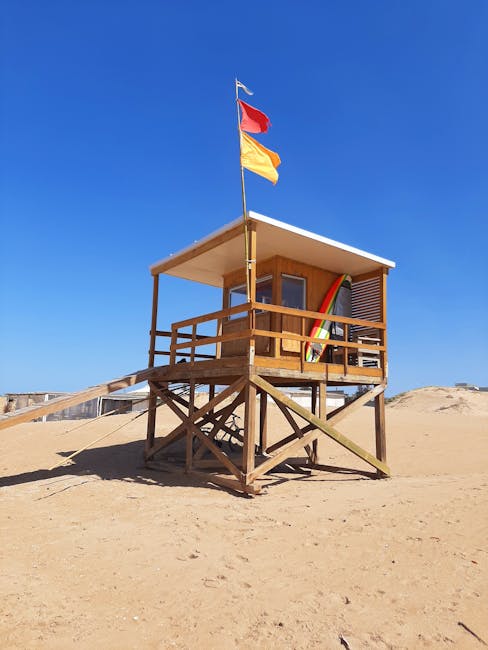
One of the most common mistakes is ignoring the safety flags flown by lifeguard stations. In the Algarve, beach signage follows the same basic rules used across Europe: a green flag means swimming is allowed and conditions are safe; yellow means use caution; red means swimming is prohibited; a black flag or checkered flag indicates extreme danger or a closed beach. Official lifeguard stations, run locally by municipal authorities (Câmara Municipal), are usually open and on duty from early June to mid-September, with hours that vary by beach. For example, lifeguard coverage at Praia da Rocha, Avenida Tomás Cabreira, 8500-802 Portimão is often provided from 09:00 to 19:00 in high season (access to the beach is free, but additional services may cost extra).
Visitors sometimes assume that the presence of other swimmers guarantees safety; however, the absence of a green flag or the presence of a red flag must be respected. Typical lifeguard hours: 09:00–19:00 in July–August, 09:00–17:00 in June and September, with local variations (check the information posted at the main beach entrance). Most major monitored beaches display an information board (lifeguard station location, hours, station phone) at the main access. In Faro, services are often coordinated via the Polícia Marítima and the fire brigade (Bombeiros Voluntários); for sea departures, check at Marina de Faro, Rua da Alfândega, 8000-160 Faro (information desk and boarding point).
Costs and fees: lifeguard coverage is included in municipal maintenance, but extra services (private rescue buoys, lifejacket rentals) vary: child lifejacket or kayak vest rental around €8–€15/hour depending on provider, paddleboard rental ~€15–€30/day. If you see a red flag, don’t try to bypass the ban with an unauthorized boat — municipal fines can range from €50 to €300 depending on the violation (enforcement by Polícia Marítima or Polícia Municipal).
2) Underestimating currents and rips — spot the signs and react the right way
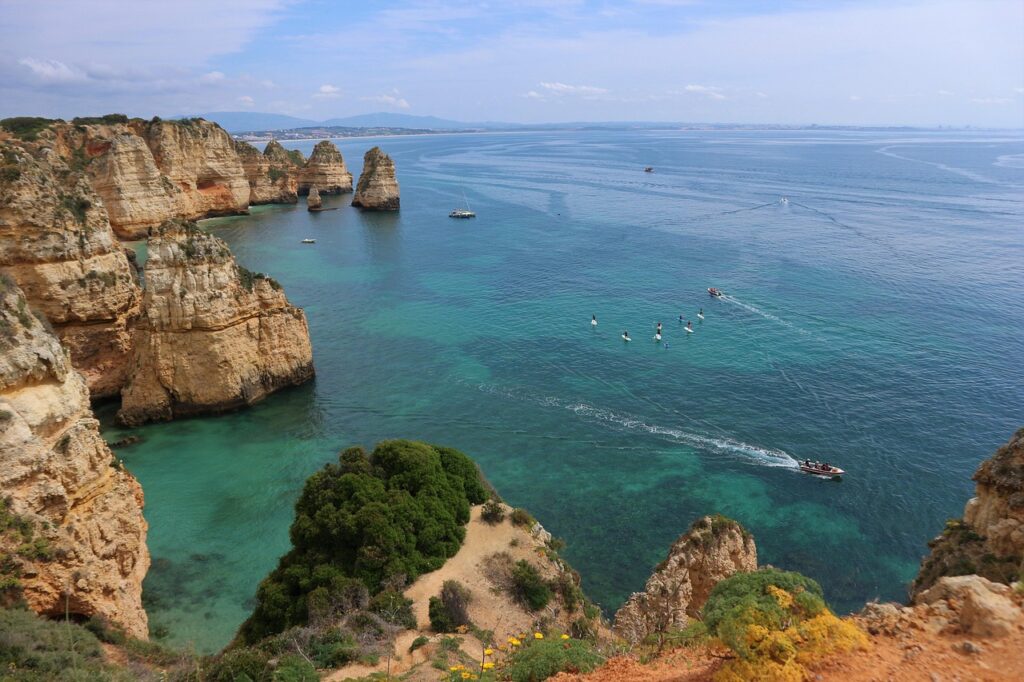
Rip currents cause a large number of incidents along the Algarve coast. They form especially where the seabed changes abruptly: estuary mouths, channels between rocks, in front of caves and near cliffs. Places like Praia da Marinha, Estrada da Praia da Marinha, 8400-450 Carvoeiro, and the area around Ponta da Piedade, Caminho do Ponta da Piedade, 8600-315 Lagos are known for uneven bottoms and channels. Visual signs to watch for: a darker strip of water (deeper water), waves breaking less often over a narrow zone, or a streak of debris and foam moving seaward.
What to do if you get caught in a rip current? Stay calm; don’t try to swim directly against the current back to shore. The best approach is to swim parallel to the shore until you’re out of the flow, then angle back toward the beach. If you can’t swim, float on your back, wave a hand to signal your position and call for help if you have energy. Monitored beaches usually have rescue buoys, but on unsupervised shores (for example some coves around Sagres, Vila do Bispo), rescuers may take longer to arrive.
Costs and services: renting a kayak or boat without a guide typically costs €20–€40/hour for a single kayak and €40–€80 for a small rigid-inflatable boat (indicative prices: Benagil Boat Tours departing from Praia de Benagil, 8400-540, offer boat trips from €30–€45 per person, 30–60 minutes, with departures 10:00–17:00 in high season). Never go alone to explore sea caves without a certified guide; guided tours (Benagil cave guided tour) include helmets and a safety briefing and typically cost €25–€40 per person.
3) Leaving kids unattended and skimping on sun protection — rules and recommended gear
Watching children near the water is an absolute priority. Even in calm seas, a child can slip on a rock, be pulled by a local shore break or get stung by a jellyfish. Families staying at Praia dos Pescadores, R. Infante Dom Henrique, 8200-161 Albufeira, or Vilamoura Marina, Avenida da Marina, 8125-404 Vilamoura should keep constant visual contact and, where possible, choose areas close to a lifeguard station. Use CE-approved floatation devices and, for the very young, properly fitted lifejackets (indicative price: child lifejacket €20–€50 depending on quality).
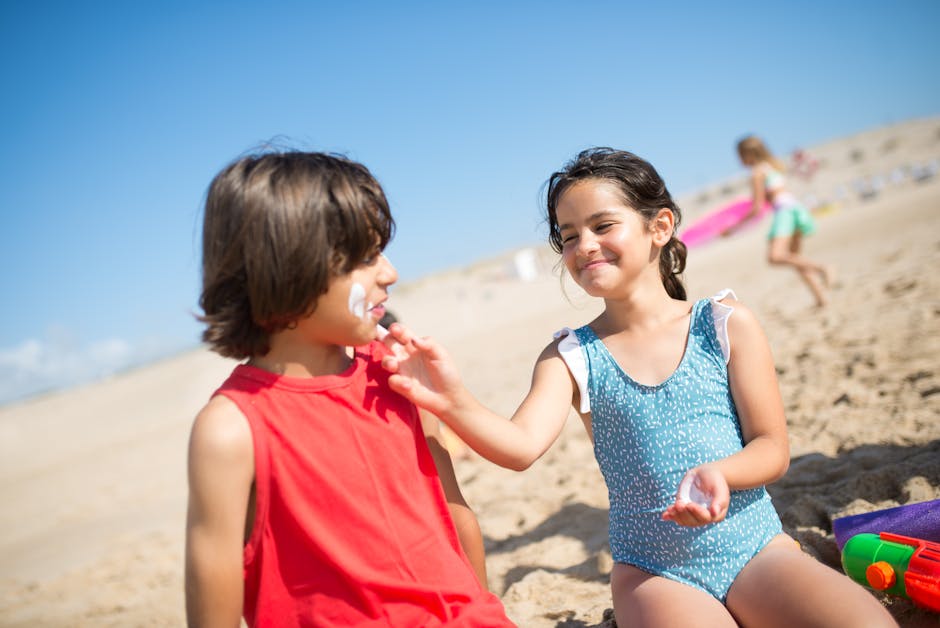
Sunscreen is often underestimated: Algarve sun, especially between 11:00 and 16:00, is intense. Choose SPF 50+ sunscreen (reapply every two hours or after each swim), wear a hat, UV sunglasses and rash guards (anti-UV shirts, about €10–€30 at local shops like Decathlon Algarve, Rua D. Francisco Gomes, 8005-468 Faro). Local pharmacies (Farmácia Central, Rua Conselheiro Bivar 1, 8000-279 Faro) stock specific products and can advise on sensitive skin and treatments for stings.
Practical hours and costs: pharmacies typically open 09:00–13:00 and 15:00–19:00, with on-call night and Sunday service (listed at the entrance). Emergency services are reachable on 112 (the European emergency number), and Polícia Marítima (coastal police) can be contacted via local stations in case of sea incidents. Budget about €40–€100 for a complete child safety kit (UV swimsuit, lifejacket, hat, sunscreen).
4) Getting too close to cliffs and caves without precautions — recommendations for hikes and photos
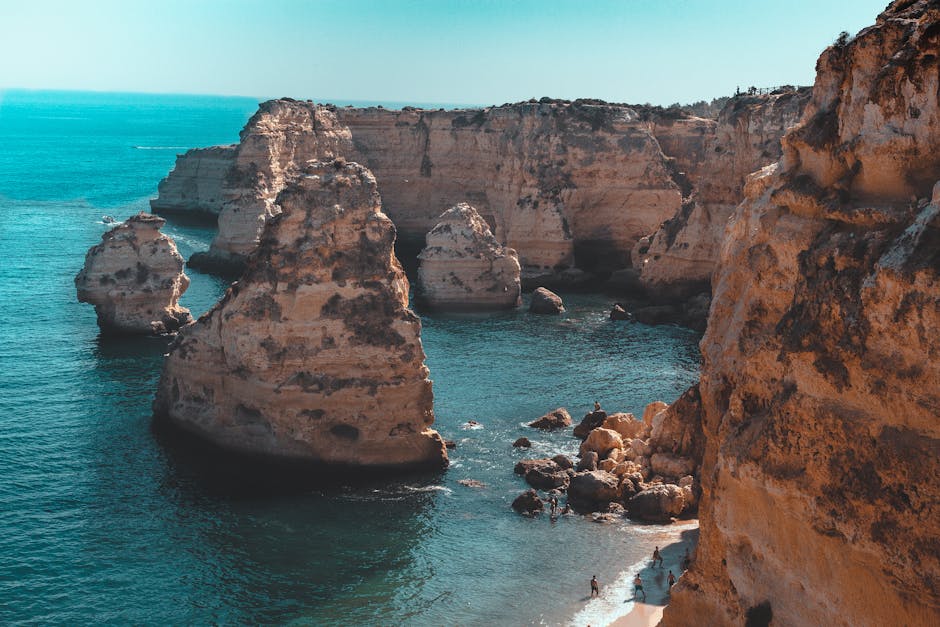
The Algarve’s cliffs are dramatic but often unstable. Sites like Ponta da Piedade, Caminho do Ponta da Piedade, 8600-315 Lagos, or the viewpoints at Praia da Marinha (Estrada da Praia da Marinha, 8400-450 Carvoeiro) attract photographers and hikers. Standing too close to the edge for a photo can trigger a landslide: eroded limestone can give way without warning. Respect barriers and prohibition signs, avoid muddy areas after rain and stick to official trails (usually marked by the local Câmara Municipal).
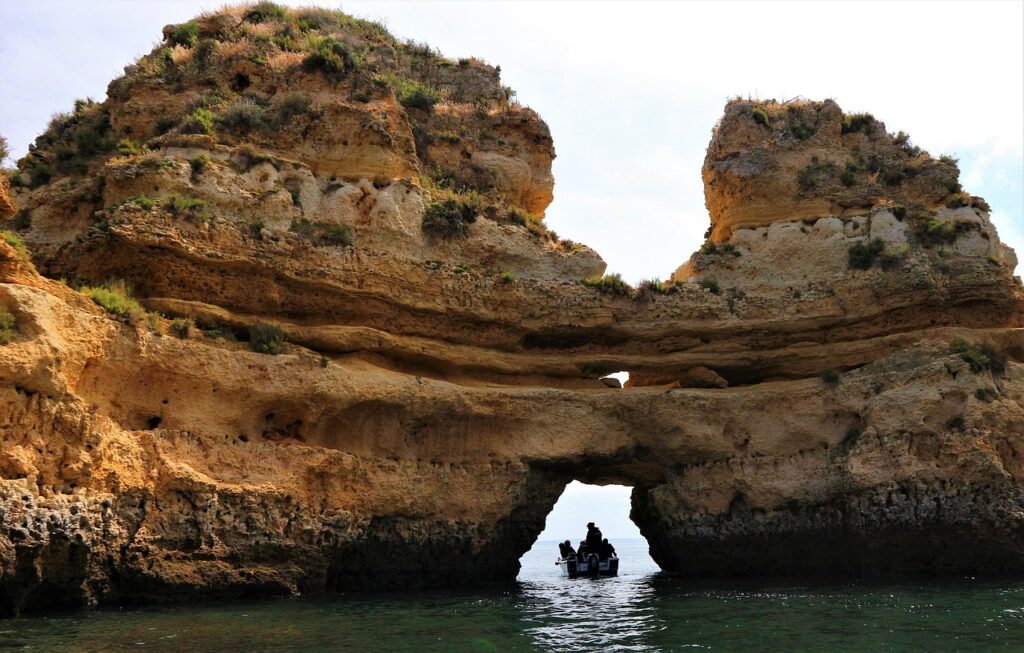
Exploring sea caves: access to some caves depends on sea conditions — high tides, swell and waves can make entrance dangerous. The famous Benagil Sea Cave (Praia de Benagil, 8400-540 Benagil) should only be approached with certified operators. Guided tours departing from Benagil Pier or Praia de Benagil list durations, prices and safety instructions: indicative price €30–€45/person, departures every 30–60 minutes between 09:00 and 18:00 in season. Some tours combine kayaking and supervised swimming for ~€35–€60.
Recommended gear: closed hiking shoes for trails (price €25–€100), a windbreaker for cooler evenings, a headlamp if you plan to enter land caves, and always a charged phone with GPS or a paper map. If an accident occurs on the cliffs, calling 112 will activate rescue services (GNR/Maritime Police/Fire Brigade). Check the local weather as well: maritime bulletins (capitanias) report sea state and warn about restricted areas. Finally, respect local wildlife: take all your rubbish, don’t climb prohibited faces and observe animals from a distance.
Conclusion — Prepare your trip to enjoy the Algarve safely
The Algarve’s beauty comes with hazards: eroded cliffs, strong currents, unsupervised beaches and busy maritime activity. Avoiding common mistakes starts with information and preparation: know the flags and lifeguard hours (e.g. Praia da Rocha, Avenida Tomás Cabreira, 8500-802 Portimão, often 09:00–19:00 in peak season), obey prohibition signs, choose certified maritime operators (Benagil cave tours, departures from Praia de Benagil, 8400-540) and bring appropriate gear (lifejackets, SPF 50+ sunscreen, hiking shoes, charged phone).
Plan your activities: favor monitored beaches for swimming, check tide times before boat excursions, and avoid remote caves or coves when there is swell. In an emergency call 112; for technical or coastal surveillance questions contact the local Polícia Marítima and municipal lifeguard stations (Câmara Municipal). Budget for safety: lifejacket or kayak rental (~€8–€40), guided boat tours (~€25–€50/person) and, if needed, travel insurance that covers water activities.
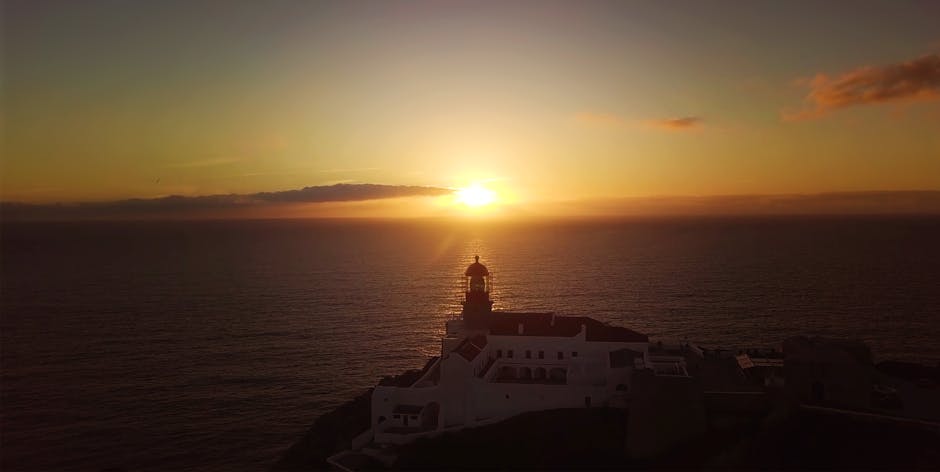
Finally, adopt local habits: ask lifeguards and shopkeepers for advice, respect the environment and keep a close eye on children and less experienced swimmers. The Algarve’s beaches offer unforgettable experiences, from the clear waters of Praia da Marinha (Estrada da Praia da Marinha, 8400-450 Carvoeiro) to sunsets on the Sagres headland. With proper preparation, respect for local rules and services, you can enjoy these spectacular landscapes while minimizing risks. Have a great stay in the Algarve — stay alert and savor every moment.