





Introduction — Algarve beaches: getting ready for a relaxed holiday
The Algarve, in southern Portugal, promises golden cliffs, turquoise waters and hidden coves. From Praia da Rocha in Portimão to the peaceful Ilha de Faro, every beach has its own personality, facilities, specific hazards and local tips. Yet despite the undeniable beauty of the coast, many travelers make recurring mistakes that can turn an otherwise peaceful holiday into a stressful one. This guide lists ten common pitfalls visitors face and offers practical, tested solutions to avoid them.
Here you’ll find precise information: full place names, exact addresses, prices in euros (for parking, equipment rental and excursions), typical opening hours for local services and suppliers, and immersive descriptions to help you find your bearings on site. The goal isn’t just to list problems but to give you the tools to anticipate them — choosing the best time to visit busy beaches, booking a boat trip to Benagil cave, or knowing your public transport options to Ilha de Faro.
Whether you’re an independent traveler behind the wheel of a rental car, a family with young children, or a surfer chasing the best waves, this guide is for you. We’ll cover overcrowding in high season, common tourist scams, sea safety (currents, tides, submerged rocks), rental and parking traps, plus local tips like enjoying a ginjinha after the beach. Each section includes practical advice, exact addresses (hotels, car parks, ferry companies), indicative prices in euros and opening times so you can plan your days without nasty surprises.
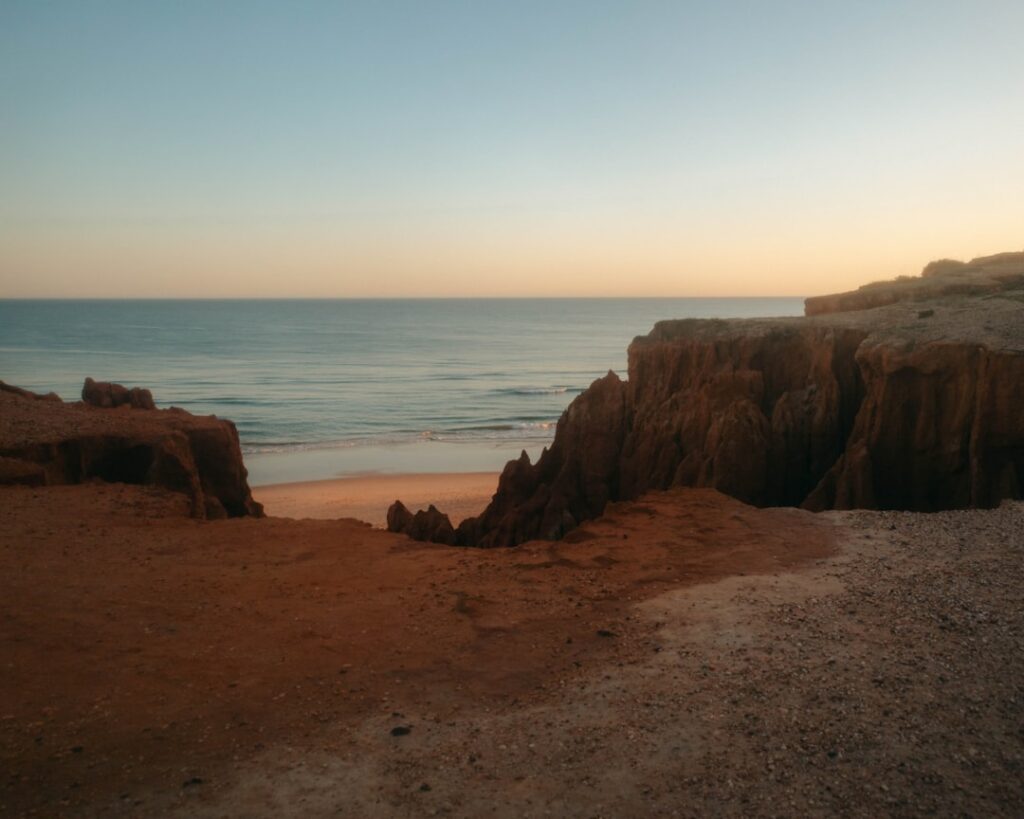
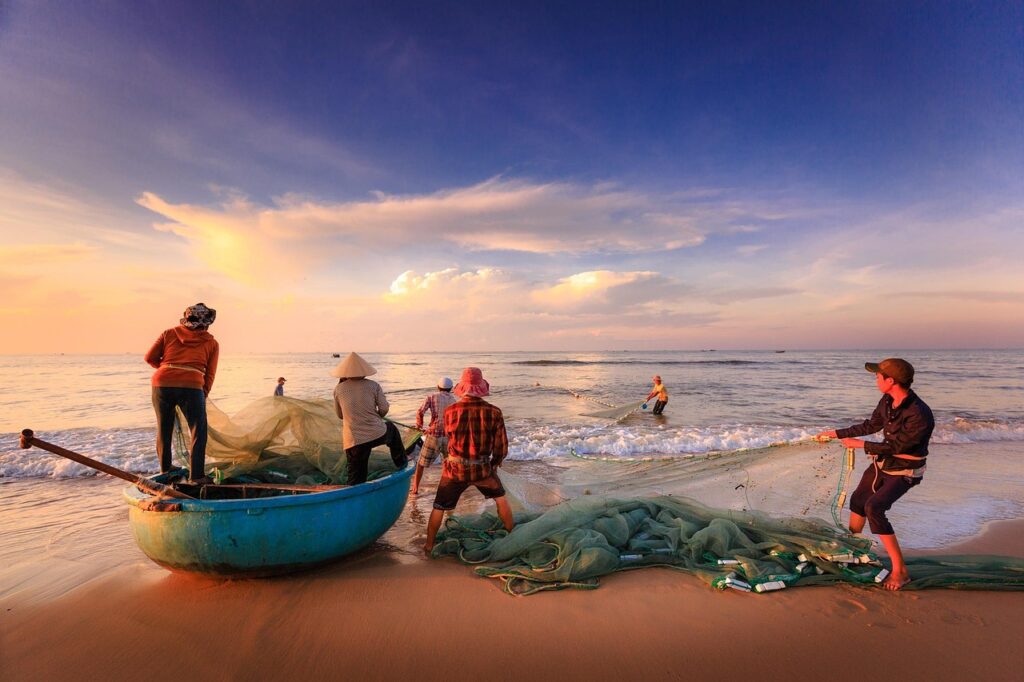
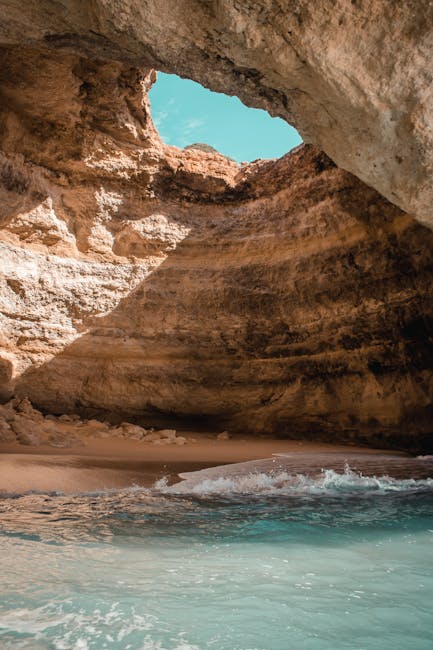
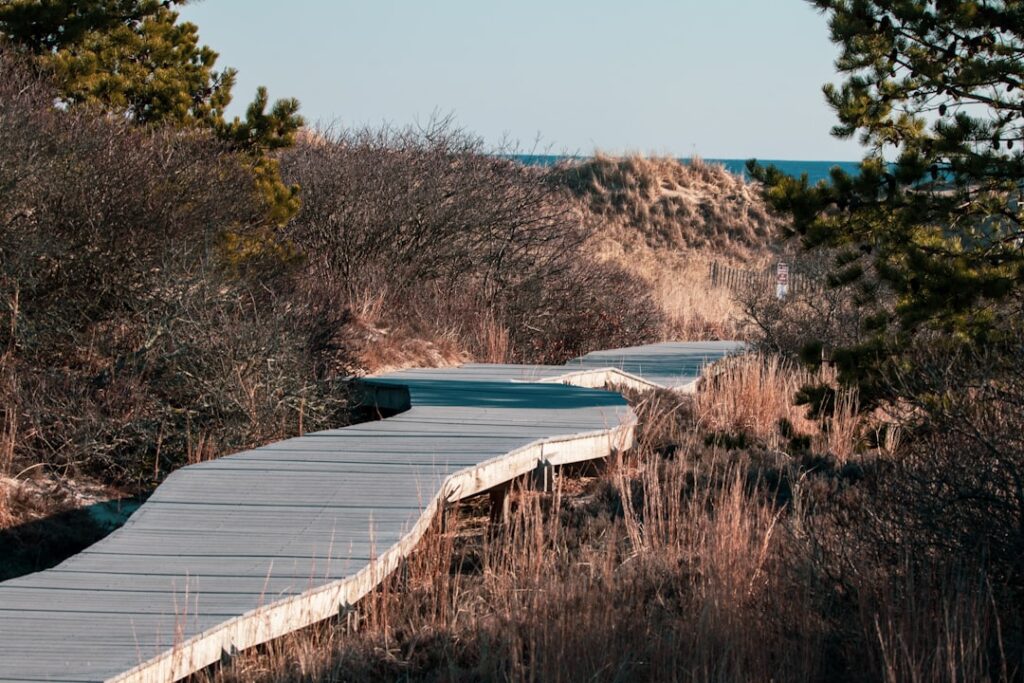
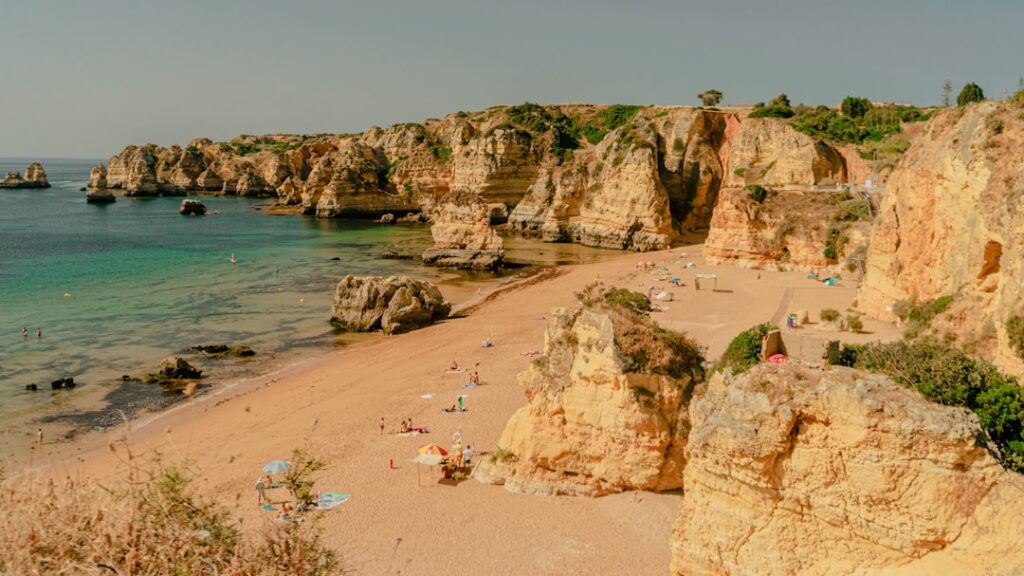
Finally, to keep the guide vivid and easy to use, visual markers are included in the form of images — eight photos selected to show key landscapes, landing spots and cliff panoramas. These images were chosen to visually evoke what you’ll encounter on site: towering sculpted cliffs, sea caves, fine sandy beaches and clear water. Read carefully, note the addresses and times that matter to you, and get ready to enjoy the Algarve in complete peace of mind.
1. Pitfall: Underestimating crowds in high season — where to go and when
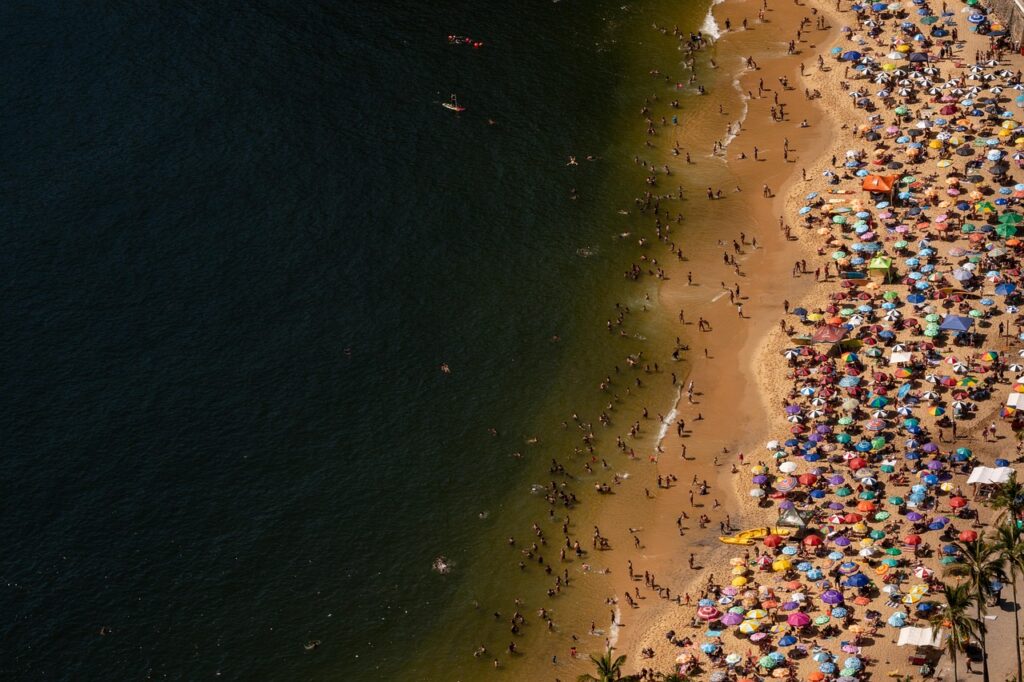
One of the most common mistakes is showing up at a popular beach in the peak summer months (July–August) without planning your timing. Beaches like Praia da Rocha (Av. Tomas Cabreira, 8500-802 Portimão) or Praia da Falésia (Praia da Falésia, Av. Sá Carneiro, 8200-916 Albufeira) can be literally packed by 10 a.m. The downside isn’t just limited space on the sand: long waits for restaurants and sunbed rentals, difficult parking and slowed traffic on the N125 all add stress.
Practical tips:
- Best times to go: arrive early (before 9:00 a.m.) or late afternoon (after 4:00 p.m.) to enjoy a calmer spot and beautiful late-day light for photos. At Praia da Rocha, the public parking at Portimão Marina (Marina de Portimão, Doca de Ferragudo, 8500-800 Portimão) is often accessible from 8:30 a.m.
- Less crowded alternatives: opt for smaller coves like Praia do Camilo (Rua do Camilo, 8600-315 Lagos) or Praia da Marinha (Praia da Marinha, Carvoeiro, 8400-508 Lagoa) — Marinha can still be busy but its trickier access filters out some visitors.
- Transport: if you plan to visit Praia da Falésia, note that parking near the main access (Parque de Estacionamento da Falésia, Av. Sá Carneiro, 8200-916 Albufeira) costs about €2.50/hour in high season and closes at 8:00 p.m. in October; consider taking the local bus or walking the shoreline to avoid parking stress.
- Reservations: for popular beachside restaurants, book a table (e.g. NoSoloÁgua Praia da Rocha, Av. Tomas Cabreira, 8500-802 Portimão — phone +351 282 460 600 — open 09:00–02:00; main courses €10–25).
2. Pitfall: Relying only on polished photos — the reality of the beaches
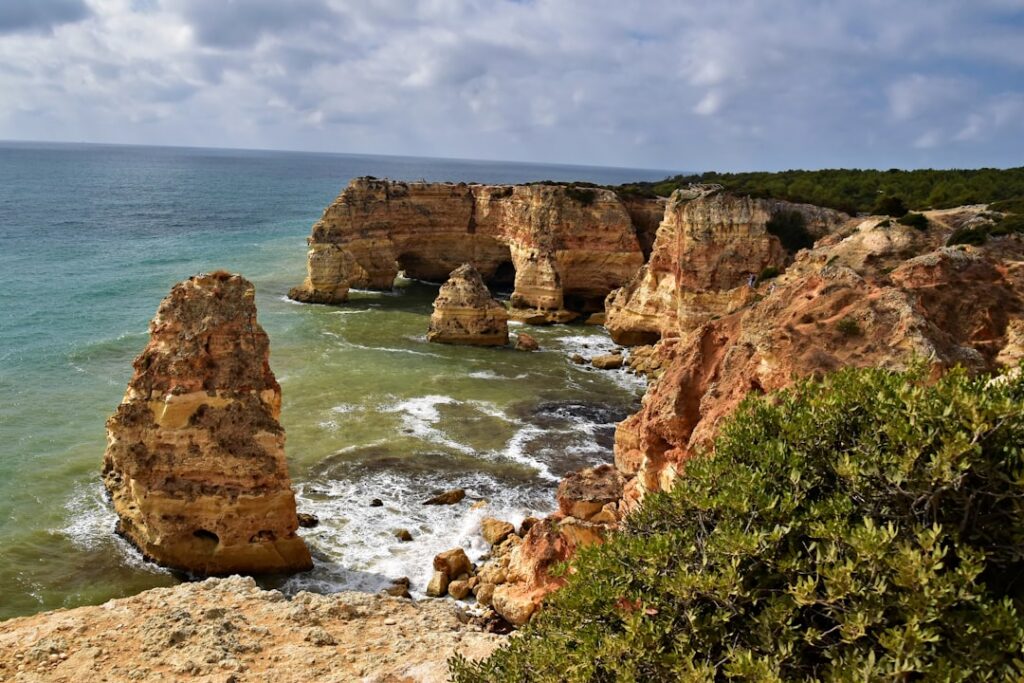
Promotional photos on Instagram and tourism sites often show the most flattering version of a beach: cloudless skies, crystal-clear water and no other tourists in sight. That creates unrealistic expectations and disappointment. For example, Praia da Marinha (Praia da Marinha, Carvoeiro, 8400-508 Lagoa) is world-famous for its arches and clear water, but tides can dramatically change the appearance of the seabed. At low tide, rock pools appear, offering a very different experience than at high tide.
Practical tips:
- Check the tides: consult tide times (Portimão Tide Times) before you go; low tide can reveal caves and rock pools but make some accesses dangerous at high tide. Local sites like IPMA — Instituto Português do Mar e da Atmosfera provide tide schedules and weather forecasts.
- Recent photos: use Google Maps « Recent photos » and TripAdvisor to view up-to-date images from other travelers and get a realistic sense of crowd levels and shoreline conditions in high or low season.
- Be prepared: bring water shoes (€10–25 in shops) if you plan to explore rocky areas like those around Benagil (Beach access near Benagil cave, Carvoeiro 8400-517) or Praia da Marinha.
3. Pitfall: Not booking Benagil cave trips in advance
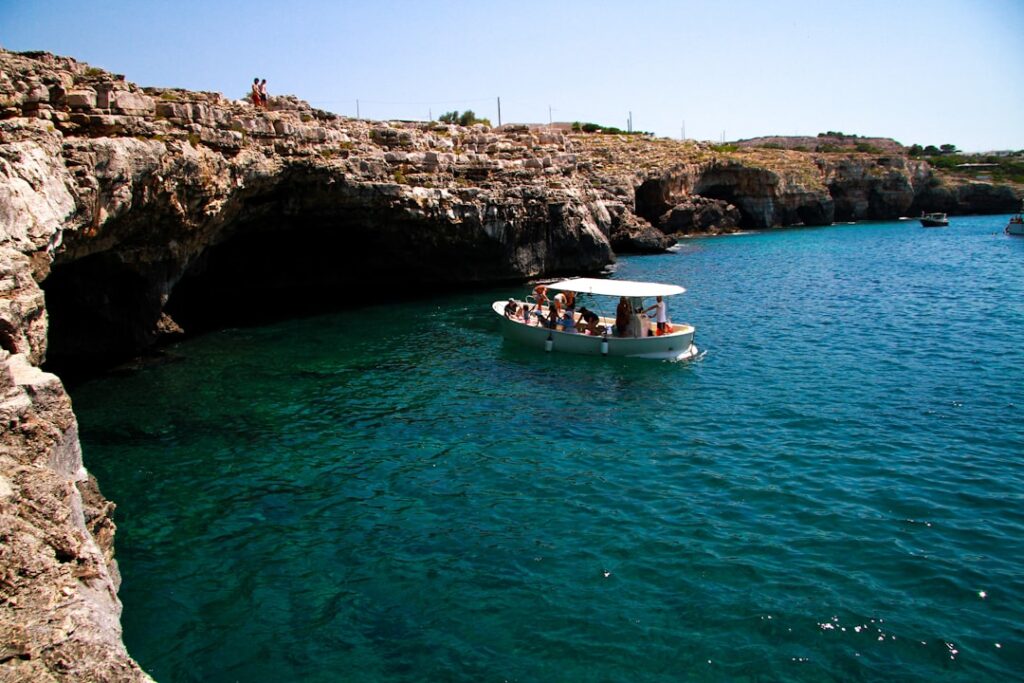
Benagil Sea Cave (Benagil Sea Cave, Algar de Benagil, Carvoeiro, 8400-517 Lagoa) is one of the Algarve’s most photographed sites. Boat and kayak trips depart regularly from Benagil and Carvoeiro, but in high season departures fill up fast and some operators cancel when the sea is rough. Turning up without a reservation can mean waiting hours or finding the day’s trips fully booked.
Practical details and recommendations:
- Recommended operators: Benagil Sea Cave Tours — boarding at Benagil Beach Carpark, Benagil, 8400-517 Carvoeiro — phone +351 282 385 025. Boat trips: around €25–35 per adult (30–40 minutes). Hours: 09:00–18:00 in summer, 10:00–16:00 off-season (subject to change).
- Kayaks: Kayak Benagil (Benagil Kayak, Benagil Beach Access, 8400-517 Carvoeiro) runs 2-hour outings for €35–45 per person; departures at 09:30, 11:30, 14:00 and 16:00. Prices usually include life jackets and a guide, but check whether a dry bag is provided.
- Safety tips: swimming inside the cave is discouraged due to currents and boat traffic. If you enter by kayak, follow the guide’s instructions — avoid entering if waves exceed 1 meter.
- Booking: reserve online or by phone several days ahead in July–August; get written confirmation and a precise meeting point (Benagil Beach Carpark, GPS: 37.0902, -8.4284).
4. Pitfall: Ignoring paid parking and local rules
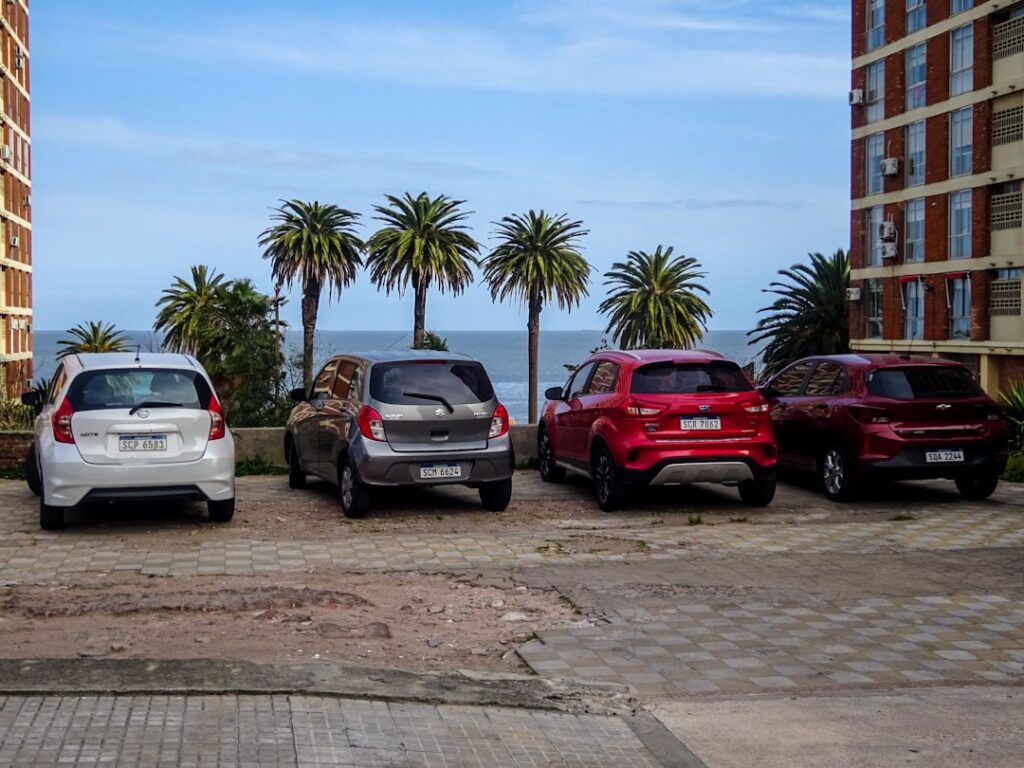
Contrary to popular belief, many Algarve beaches have municipal paid parking. Ignoring signs can lead to fines. For example, the main car park for Praia da Marinha is « Parque de Estacionamento da Praia da Marinha, 8400-508 Carvoeiro » and charges about €1.50/hour in high season; it often fills up early. At Praia do Camilo (Rua do Camilo, 8600-315 Lagos), the public parking near the main access has limited spaces and hourly rates up to €2/hour.
Practical tips:
- Payment: carry coins and check whether the meter accepts cards; many now accept payment via mobile apps (e.g. EasyPark or Parkline). Signs indicate the zone numbers to use in the app.
- Alternatives: use municipal lots further away and walk or cycle to the beach. For Ilha de Faro (Ilha da Barreta, 8005-615 Faro), the Faro beach access car park is « Doca da Ilha de Faro Car Park, Avenida da República, 8005-615 Faro » — parking €3–5/day depending on season; regular boat shuttles (barco ferry) run from the mainland 07:30–21:00 in summer, round-trip tickets €3.50–6.00 depending on the operator.
- Local rules: respect protected natural areas (e.g. Ria Formosa around Ilha de Faro): don’t park outside marked spaces and never light fires on the beach. Fines can exceed €100 for environmental violations.
5. Pitfall: Renting gear without comparing — sunbeds, umbrellas, surfboards
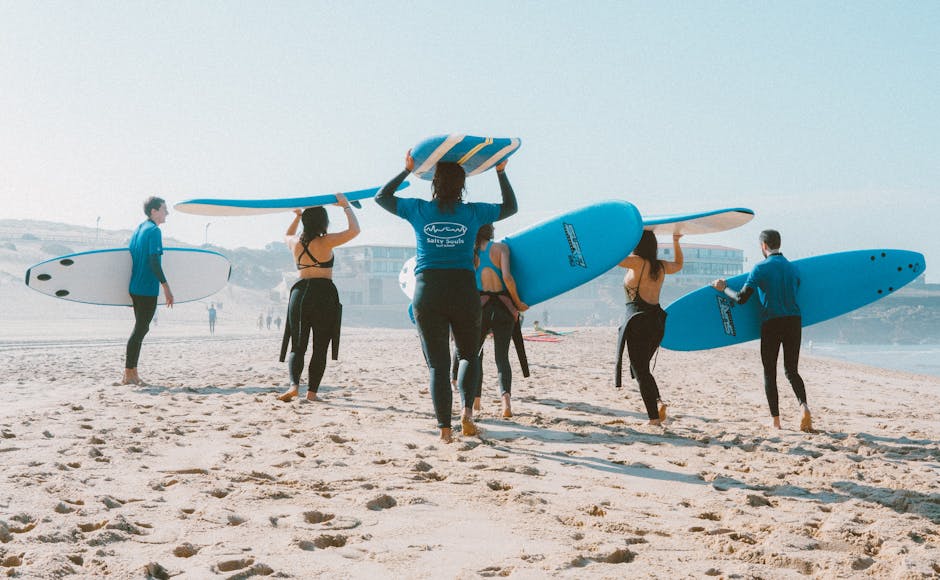
On many popular beaches, prices for a sunbed and umbrella vary widely between providers. At Praia da Rocha, for example, renting a sunbed + umbrella can cost between €6 and €15 per day depending on location. Likewise, surf and stand-up paddleboard (SUP) rentals on the west coast (Praia do Amado, Arrifana) have variable rates and equipment quality is inconsistent.
Practical tips:
- Compare prices: shop around the different rental stands before committing. At Praia do Amado (Praia do Amado, 8670-013 Carrapateira, municipality of Aljezur), surf schools like Surf Heart (Rua da Praia, 8670-013 Aljezur — phone +351 915 555 555) offer lessons from €30/hour, board rental €15–25/day.
- Deals: negotiate multi-day or family packages; many providers give a 10–20% discount for several days’ bookings.
- Contract and insurance: read the rental contract: check equipment condition (number of previous repairs), policy for damage or loss, and whether insurance is available. Some shops require a deposit of €50–200 depending on the gear.
- Recommendation: favor schools and rental shops with good reviews (Google/TripAdvisor), English-speaking staff and modern equipment. For SUP in Lagos, « Let’s Explore Kayaks & SUP » (Marina de Lagos, Doca de Lagos, 8600-302 Lagos) rents from €25/day; hours 09:00–18:00 in summer.
6. Pitfall: Not knowing sea hazards — currents, rocks and beach flags
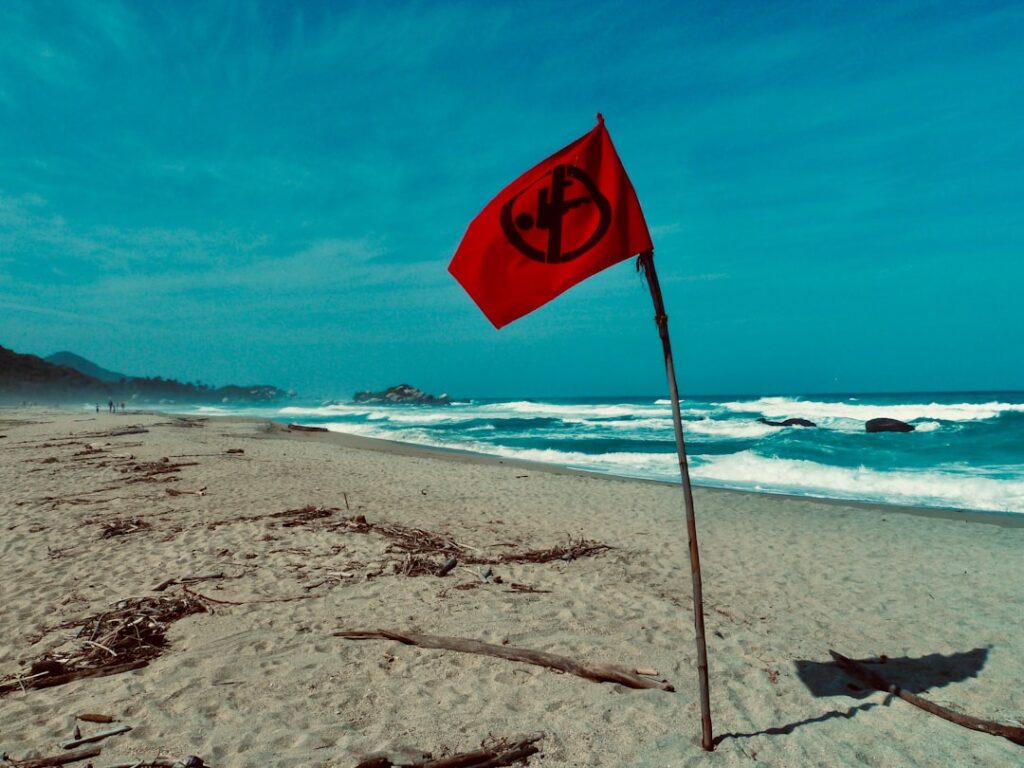
The sea can be treacherous even in seemingly calm weather. Some beaches have strong currents and rip channels — Praia da Arrifana (Praia da Arrifana, 8670-301 Arrifana, Aljezur) is a well-known surf spot but also prone to strong currents. The beach safety flags clearly indicate conditions: green (safe to swim), yellow (caution) and red (no swimming). Ignoring the flags is a leading cause of rescues.
Practical tips:
- Follow the flags: ask at lifeguard posts (e.g. Posto de Salvamento Praia da Rocha — Avenida Tome Cabreira, 8500-802 Portimão — lifeguards on duty 09:00–19:00 in summer). If the red flag is flying, do not enter the water.
- Avoid rocky zones: when waves break over rocks near Benagil or Praia da Marinha the risk of injury is high. Water shoes are recommended (€10–25).
- First aid kit: bring sunscreen (SPF 30+), plasters, antiseptic and rehydration supplies; local pharmacy in Lagos: Farmácia Central, Rua 25 de Abril 24, 8600-738 Lagos — hours 09:00–19:00, phone +351 282 763 303.
- Emergency numbers: for serious sea incidents call 112 (European emergency number). Local lifesaving services (Bombeiros Voluntários) operate along the coast.
7. Pitfall: Forgetting sun protection and hydration — heat and UV
The Algarve sun can be intense, even late in the season. Severe sunburn or heatstroke can ruin several days of your holiday. Many visitors underestimate UV strength, especially on the water (sun reflecting off the sea) or on bright surfaces like golden sand.
Practical tips:
- Sunscreen: bring SPF 30+ water-resistant sunscreen; reapply every two hours and after every swim. Indicative price: €8–20 depending on brand (available at pharmacies and local supermarkets).
- Hat and UV clothing: a wide-brim hat and a lightweight UV-protective shirt (€30–50 in sports shops) give excellent protection for kids and fair-skinned people.
- Hydration: drink regularly: a 1.5 L bottle of water costs about €0.80–2.00 depending on where you buy it; bring a cooler to keep water cold or use drinking fountains where available (some marinas and public parks).
- Timing: avoid strenuous sun exposure between 12:00 and 16:00. Instead enjoy morning walks and the spectacular sunsets at Praia da Rocha and Ponta da Piedade in Lagos.
8. Pitfall: Eating at the first beachfront restaurant you see — quality and price
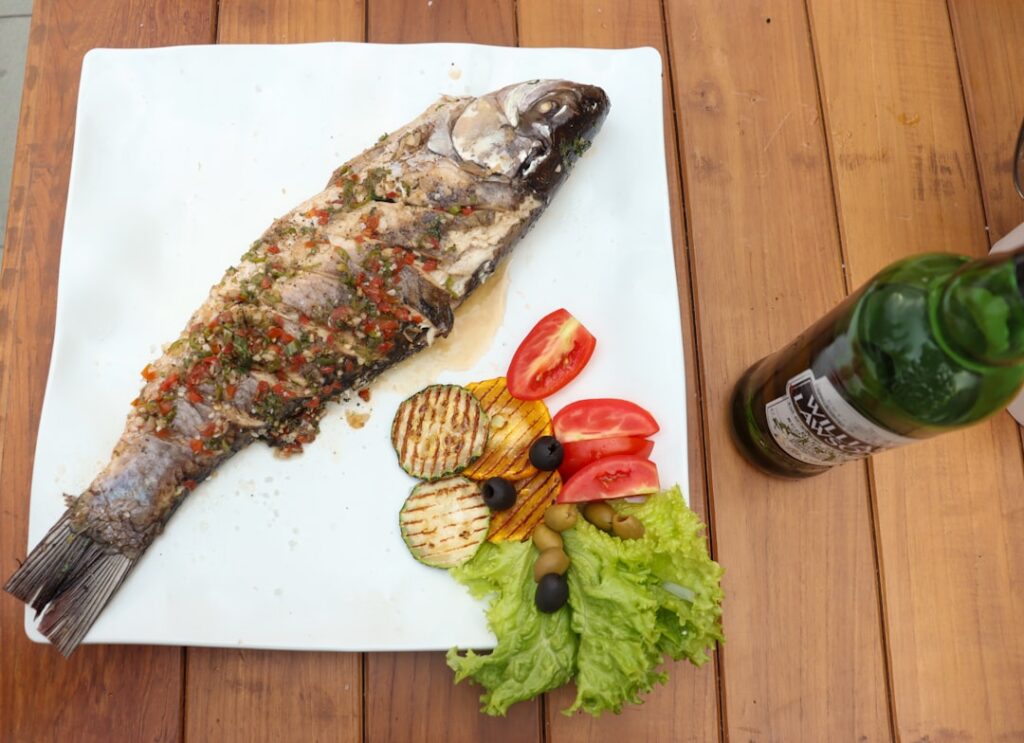
Beachfront restaurants attract you with the view, but that doesn’t always guarantee quality or authenticity. In Praia da Falésia and Praia da Rocha, some places overcharge for tourist dishes and serve frozen fish. For an authentic culinary experience, favor small taverns and local markets.
Practical tips:
- Local recommendations: in Portimão, for a good seafood cataplana try Restaurante Faina (Rua do Comércio 45, 8500-226 Portimão) — main dishes €12–25; hours 12:00–23:00. In Lagos, Restaurante O Camilo (Rua do Camilo 3, 8600-315 Lagos) serves grilled fish from around €14; hours 12:00–22:30.
- Markets: cook with local produce — Mercado Municipal de Loulé (Rua D. Vicente Pinheiro, 8100-362 Loulé) is open 07:00–14:00 and offers fresh seafood and vegetables at better prices than beachside stalls.
- Avoid tourist traps: read recent reviews online, ask your accommodation host or concierge, and steer clear of places that only display « fish & chips » and « pizza » across the menu — usually a sign of mass-tourism eateries rather than authentic local cuisine.
9. Pitfall: Underestimating logistics to reach more remote beaches
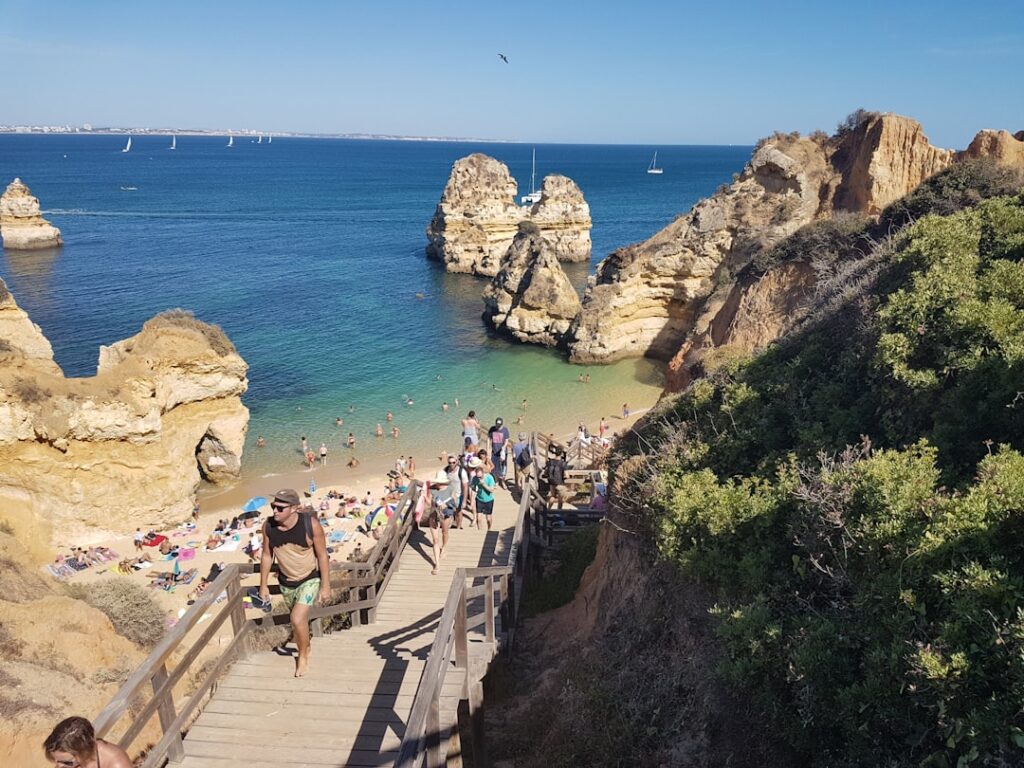
Many of the Algarve’s most beautiful beaches are purposely secluded — Praia da Marinha and Praia do Camilo require staircases or trails. Ilha de Faro needs a short boat crossing. Underestimating travel time and access conditions (stairs, steep paths) can turn a dream outing into an exhausting trek.
Practical tips:
- Routes: for Praia da Marinha, parking is at Parque de Estacionamento da Praia da Marinha, Carvoeiro, 8400-508 Lagoa; access requires a 5–10 minute walk and rocky stairs. Wear sturdy shoes and avoid bringing strollers.
- Ilha de Faro: take the ferry from Faro Marina (Marina de Faro, Avenida 5 de Outubro, 8000-546 Faro); summer hours: 07:30–21:00 (frequent departures), round-trip fare €3.50–6.00. The crossing takes about 20 minutes. Bring water and a sunshade — facilities are limited on the island.
- Time planning: allow for the round trip and always build in a buffer for sun exposure and your return (the last ferry can run early off-season). For Praia do Camilo, plan 30–45 minutes for a full visit (descent, swim, climb back up).
10. Pitfall: Neglecting environmental protection — litter and protected zones
The Algarve owes its beauty to fragile landscapes: sea cliffs, dunes and wetlands like the Ria Formosa. Leaving litter, taking shells as souvenirs, or parking outside authorized areas harms these ecosystems and can lead to penalties. Local authorities are increasingly strict about coastal protection.
Practical tips:
- Follow the rules: don’t take sand or shells; obey signs about bird nesting and protected areas. Fines for illegal collection or lighting fires on the beach can exceed €150.
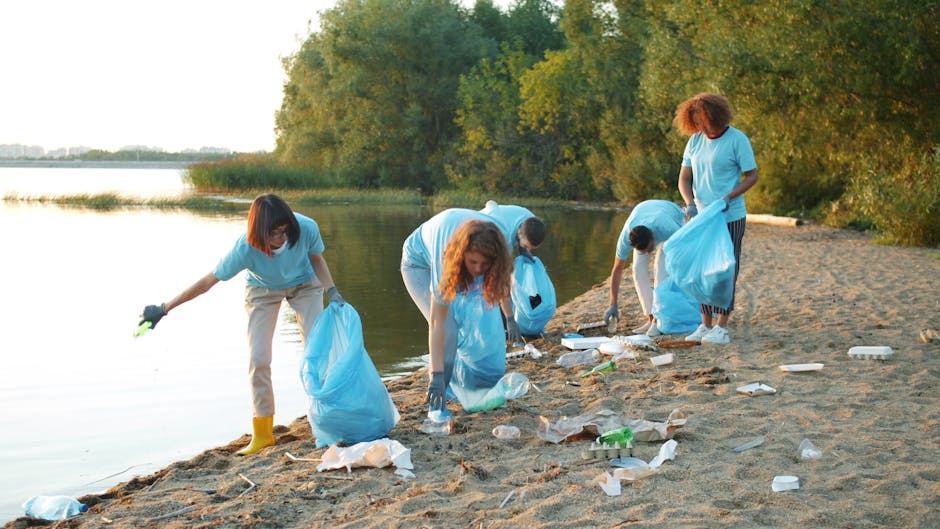
- Waste sorting: use public bins; if they’re full, hold onto your rubbish until you find a collection point. Carry a reusable bag for your waste.
- Responsible choices: choose eco-conscious tour operators (e.g. Benagil Sea Cave Tours with a low-impact policy, €25–35) and avoid trips that get too close to cliffs and risk damaging them.
- Volunteering: if you have time, look into local beach clean-up initiatives — municipal groups often organize collections; contact Câmara Municipal de Faro (Praça de D. Afonso III, 8000-072 Faro) for more information.
Conclusion — Enjoying the Algarve beaches with peace of mind
The Algarve remains an iconic destination for sea lovers, sculpted cliffs and blazing sunsets. To keep your holiday a happy memory, a little advance planning goes a long way: book excursions, check tide times, compare rental shops, respect parking and protected areas. This guide covered ten frequent pitfalls, but the key to a stress-free trip is practical preparation and respect for the places you visit.
Here’s a handy recap:
- Arrive early or late to avoid crowds (Praia da Rocha, Praia da Falésia).
- Check tides and weather before you go (IPMA for forecasts).
- Book Benagil excursions in advance and favor recommended operators (Benagil Sea Cave Tours, €25–35).
- Watch parking rules and download local payment apps (EasyPark) to avoid fines.
- Compare rental prices (sunbeds, surf) and negotiate packages.
- Respect swim flags and bring sun protection and plenty of water.
- Choose authentic restaurants for a better culinary experience.
- Plan logistics and timing for remote beaches (Ilha de Faro ferry €3.50–6.00).
- Respect the environment: take nothing, leave no waste, and obey protected zone rules.
By following these tips you’ll greatly increase your chances of calm, memorable days on the Algarve beaches. Remember that the region’s magic isn’t just in its landscapes but in how you behave there: with curiosity, caution and respect for local communities and the environment. Safe travels, and enjoy the clear waters, golden cliffs and seaside flavors of the Algarve.