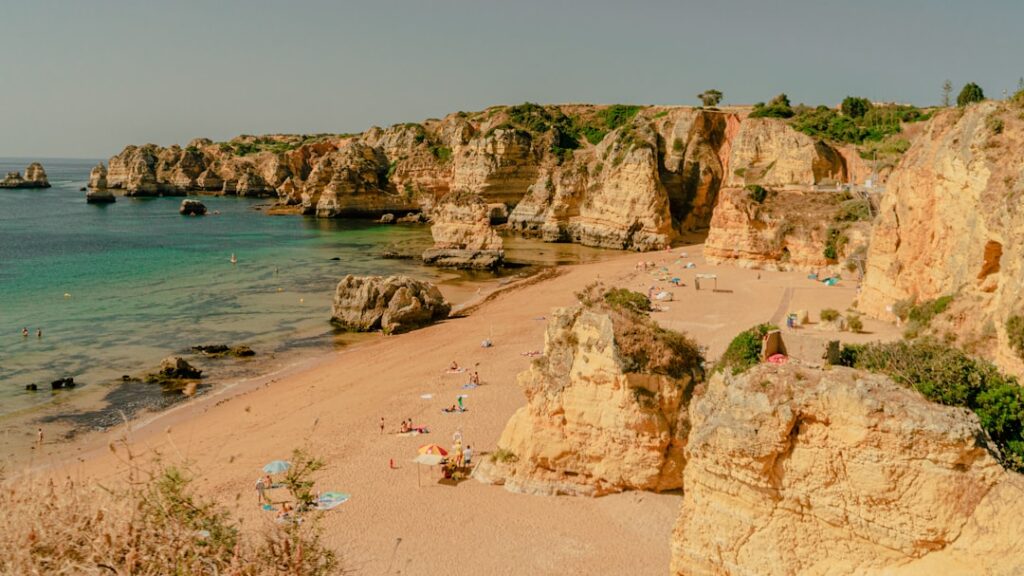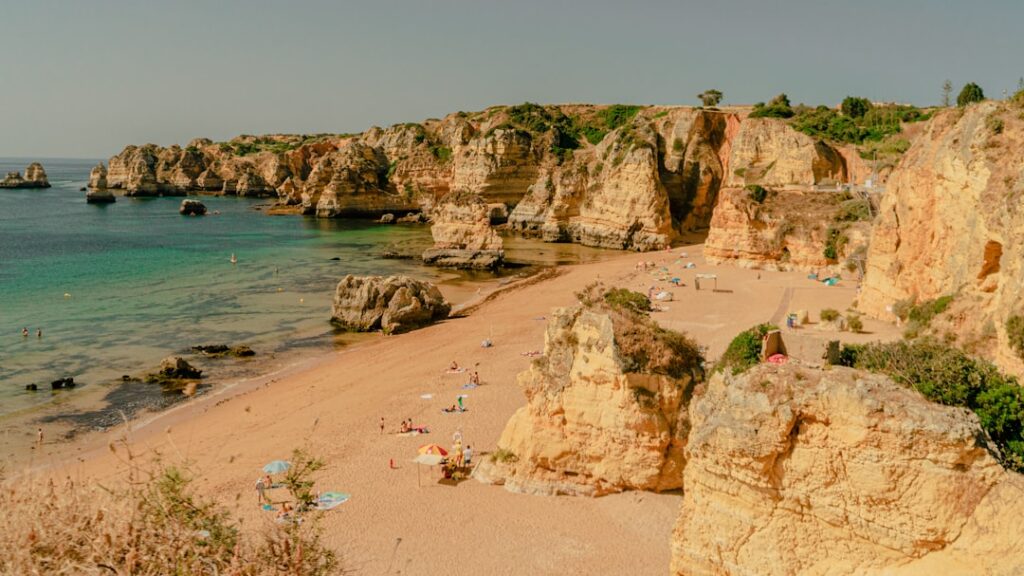






Introduction — Why picking the right season matters for hiking or sunbathing in the Algarve
The Algarve, Portugal’s southernmost region, is famous for its golden cliffs, fine sandy beaches, hidden coves and dramatic coastal trails. Deciding when to go really depends on what you want to do most: tackle cliff-top hikes or lounge on a sheltered beach. Weather, crowd levels, sea temperature, daylight hours and tourist services all change with the seasons — and they’re different across each stretch of coast: the wild west, the sunny central coast, the warm southern shore and the peaceful east.
This practical, big-picture guide explains, section by section, the “best time” to prioritize hiking or sunbathing on each Algarve coastline. It gives concrete details: full place names, exact addresses, typical prices in euros, usual visitor centre opening hours, vivid landscape descriptions and local tips to get the most out of your stay. The goal is to help you plan around your priorities — avoid crowds, catch wildflower blooms, hike in comfort, find quiet coves or schedule water activities — and pick the ideal time to enjoy the Algarve to the fullest.
We cover the western coast (Costa Vicentina and Sagres), the central coast (Lagos, Praia da Marinha, Albufeira), the southern coast (Faro and the Ria Formosa Natural Park) and the eastern stretch (Tavira, Cacela Velha). For each area you’ll find practical info: trail access, beach conditions, average prices for boat trips or kayak rentals, visitor centre addresses, and local tips to avoid peak hours or discover lesser-known coves. Coastal hiking routes (like PR1, PR6 or the famous Percurso dos Sete Vales Suspensos) include exposed, windy sections and more sheltered parts; knowing when to go can turn a gruelling day into a dreamy walk.
The Algarve’s climate is Mediterranean with a strong Atlantic influence — mild winters but cool winds on the west coast, hot dry summers and more sheltered conditions on the southeast. This guide puts each place into its seasonal context. Whether you’re a keen hiker, a photographer hunting light, a family searching for the perfect beach, or a traveller splitting time between walking and sunbathing, read the practical tips and enjoy the Algarve with confidence.
1) Western coast — Costa Vicentina, Sagres and Vila do Bispo: best time for hiking
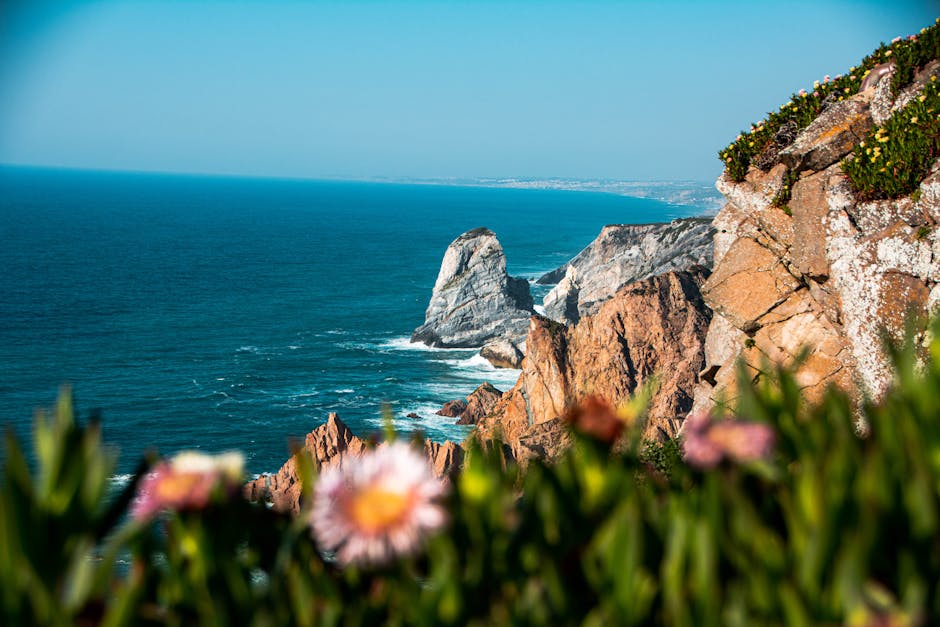
The Algarve’s western coast, including the wild shores of the Parque Natural do Sudoeste Alentejano e Costa Vicentina, is perfect for hikers. Sheer cliffs, secluded beaches and rugged trails deliver breathtaking views, but they’re exposed to Atlantic winds. The best time to hike is spring (March–May) and autumn (September–October): mild temperatures (15–22 °C), no summer heatwaves and wildflowers in bloom that make the paths especially photogenic.
Highlights:
- Ponta da Atalaia / Cabo de São Vicente — Cabo de São Vicente, 8650-360 Sagres. Free parking near the headland. Spectacular sunset views. Nearby cultural site: Fortaleza de Sagres, Estr. da Fortaleza, 8650-341 Sagres. Fortaleza opening hours: 09:00–19:00 (May–Sept), entrance fee: €3.50 per adult.
- Trilho dos Pescadores (Fishermen’s Trail) — sections accessible from Carrapateira (Praia da Bordeira, 8670-106 Carrapateira). Trailhead: Praça da Igreja, 8670-012 Carrapateira. The route isn’t fully waymarked — bring hiking boots, water and a map. No entry fee.
- Parque Natural do Sudoeste Alentejano e Costa Vicentina – Visitor Centre — Rua Direita 15, 8650-348 Vila do Bispo. Opening hours: 09:00–17:30 (hours may vary off-season). Free entry, brochures and maps available.
Local tips: avoid exposed ridges when winds exceed 40 km/h (common in winter). Carry a windproof jacket, plenty of water and an offline GPS — trails can be rocky and slippery after rain. In spring, check nearby fields for wild orchids and cistus blossoms. Local buses to Sagres and Vila do Bispo run year-round but with reduced frequency off-season — renting a car is recommended.
2) Central coast — Lagos, Praia da Marinha and Albufeira: best balance between hiking and sunbathing
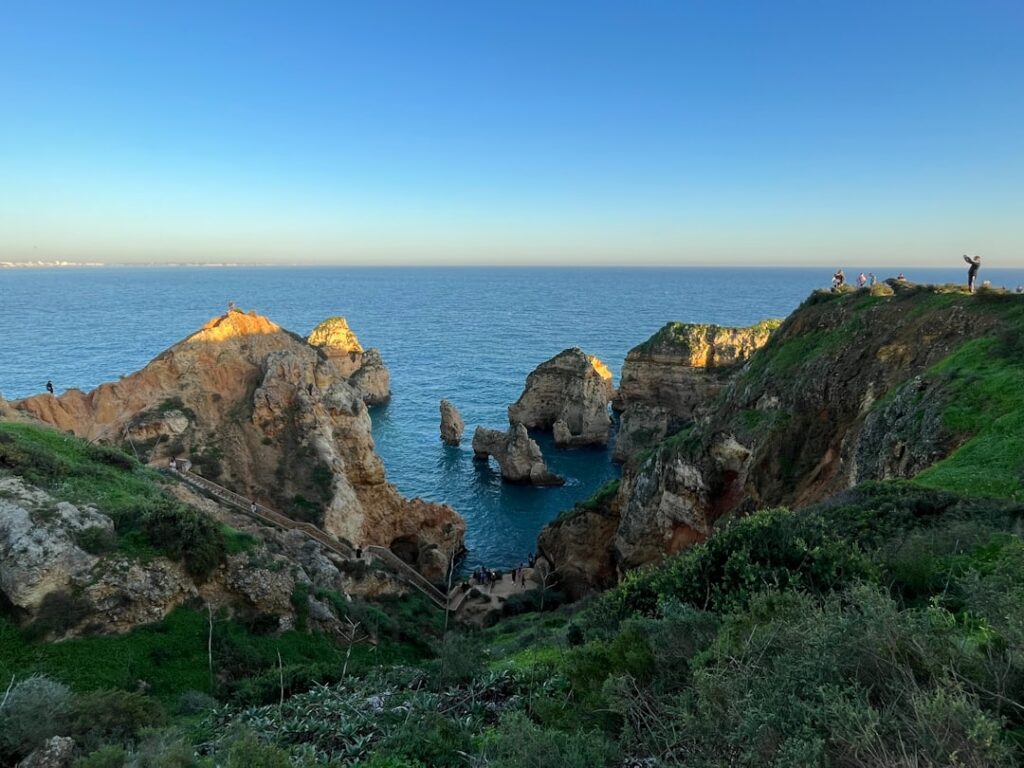
The central Algarve is the busiest but also the most flexible for mixing hikes with beach time. Between Lagos, the dramatic Ponta da Piedade, and the iconic Praia da Marinha (Lagoa), coastal trails are well marked and the coves are great for sunbathing. High season (June–September) brings the warmest sea temperatures (20–23 °C) and lively beaches perfect for families who want short walks and a swim. Still, May and September are better for hiking without the crowds and for golden-hour photography.
Practical points and addresses:
- Ponta da Piedade — Ponta da Piedade, 8600-315 Lagos. Paid parking at the viewpoint (around €2–4 depending on season). Boat tours: depart from Marina de Lagos, Avenida dos Descobrimentos, 8600-315 Lagos. Boat trip prices: €15–25 per person, duration 30–60 min. Tours run 09:00–19:00 (June–Sept), reduced hours off-season.
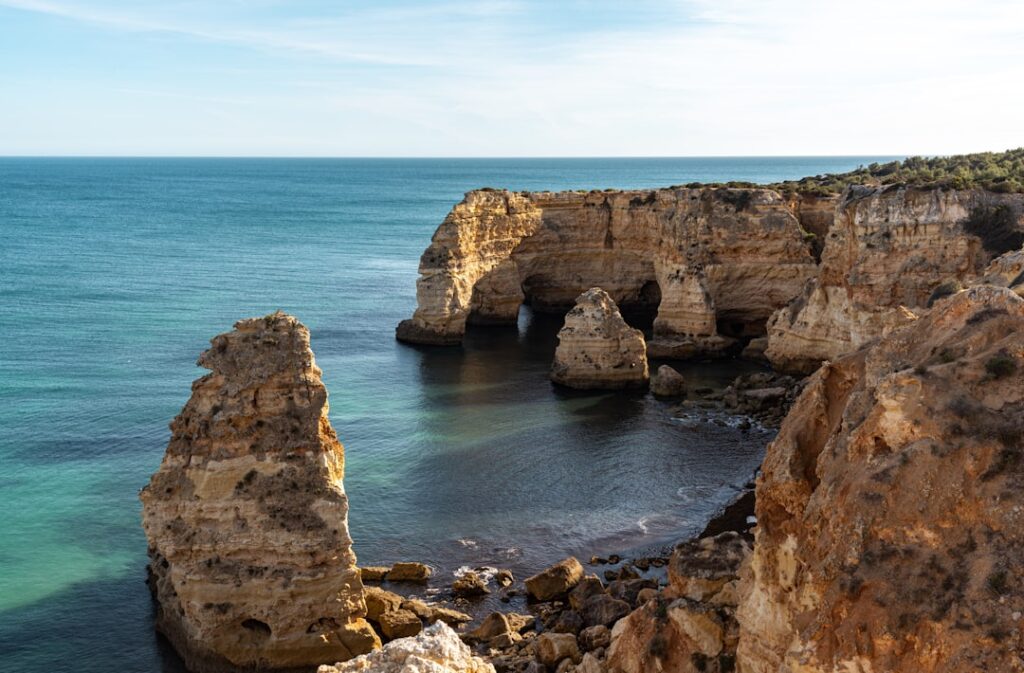
- Praia da Marinha — Praia da Marinha, 8400-442 Lagoa. Parking: municipal car park beside the beach (free off-season, €2–5 in summer). Famous for its natural arches and the Percurso dos Sete Vales Suspensos (Seven Hanging Valleys Trail).
- Percurso dos Sete Vales Suspensos — Trail starts near Praia da Marinha, access coordinate: Estr. da Marinha, 8400-508 Lagoa. Marked trail PR1. Average hiking time (round trip): 3–5 hours depending on pace. No access fee.
Local tips: for sunbathing, aim for Praia do Carvalho (Carvoeiro) and Praia da Marinha early in the morning or late afternoon to dodge the crowds. For hiking, head out early to enjoy cool air and soft light; always bring a hat and sunscreen even in spring — cliff exposure is strong. Kayak and stand-up paddle rentals: typical operator Algarve Sea Adventure, Marina de Lagos, Avenida dos Descobrimentos, 8600-315 Lagos. Kayak prices: about €25–45 per person for 2 hours. Hours: 09:00–18:00 (May–Oct).
3) Southern coast — Faro, Ria Formosa Natural Park: best for sunbathing and easy walks
The southern edge of the Algarve around Faro and the Ria Formosa is perfect for sun-seekers who want sheltered beaches and gentle, flat strolls. The barrier islands (Ilha de Faro, Ilha da Culatra, Ilha da Armona) have long, calm, warmer waters than the west. The best time for sunbathing runs from May to October: hot air temperatures (25–33 °C in summer) and welcoming sea temperatures (20–24 °C). If you want short, easy walks (birdwatching, some naturist-friendly sections), spring and autumn are also very pleasant.
Access points and services:
- Parque Natural da Ria Formosa – Centro de Interpretação do Ludo — Rua da Ria Formosa, 8700-608 Olhão (Park Visitor Centre). Opening hours: 09:00–13:00 / 14:00–17:30 (closed Mondays off-season). Free entry, exhibits and boat trip ticketing available.
- Ilha de Faro (Praia de Faro) — Praia de Faro, 8005-087 Faro. Access: pier from Faro Marina, Praça D. Francisco Gomes de Avelar, 8000-167 Faro. Parking near the airport and the marina. No beach access fee.
- Ria Formosa boat trip — Tours from Marina de Faro, Praça D. Francisco Gomes de Avelar, 8000-167 Faro. Prices: €12–25 per person depending on duration (1–4 h). Times: 10:00–18:00 (earlier starts in summer).
Local tips: for family-friendly sunbathing, choose Ilha da Armona or Ilha da Culatra — fine sand and shallow areas. South-east facing beaches are less exposed to the Atlantic wind; when the west is windy, the Ria Formosa is often calm. Birdwatchers should visit in spring for migrants and in autumn for stopovers: bring binoculars and a photo permit if needed. In high season, arrive early (before 10:00) to find free parking in small fishing towns like Olhão (Rua 1º de Dezembro) or take the ferry (€1.50–3.00 depending on route).
4) Eastern coast — Tavira, Cacela Velha and Vila Real de Santo António: when to sunbathe in peace and take short walks
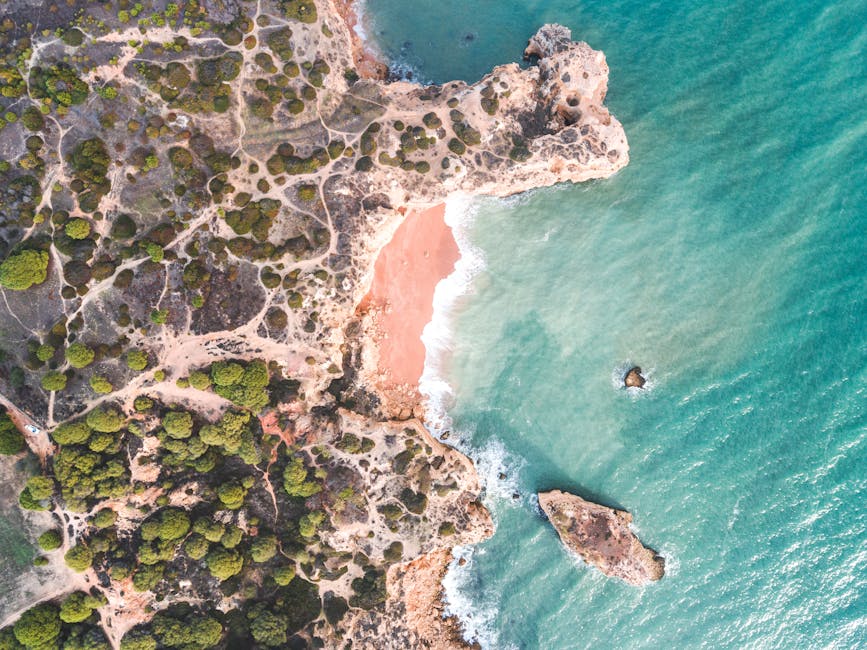
The easternmost Algarve is the quietest and the most traditionally Portuguese, with long beaches, historic villages and lagoon scenery. Tavira and Cacela Velha have huge, peaceful beaches — ideal for sunbathing away from the crowds. The best time for relaxed sunbathing is May to October; for gentle coastal walks and cultural strolls, April–June and September–October combine comfortable weather with fewer tourists.
Addresses and practical info:
- Tavira Island (Ilha de Tavira) — Ilha de Tavira, access from: Cais da Quatro Águas, Rua Dr. Francisco Sá Carneiro, 8800-315 Tavira (ferry). Ferry price: €3–6 return depending on season. Ferry hours: 09:00–18:00 (high season), reduced off-season.
- Cacela Velha Viewpoint and Beach — Cacela Velha, 8900-364 Vila Real de Santo António. Parking in the main square. Nearby Manta Rota beach: Manta Rota Beach, 8900-225 Manta Rota. No access fee for the main beach.
- Vila Real de Santo António Promenade — Avenida da República, 8900-359 Vila Real de Santo António. Flat walks along the Guadiana with cafés and services open year-round. Municipal market: Mercado Municipal de Vila Real, Rua 5 de Outubro, hours: 07:00–14:00.
Local tips: eastern beaches are often sheltered from prevailing winds and have clear, shallow water ideal for children. For casual hikers, the paths along the Guadiana river offer a different perspective from the western cliffs. If you visit Cacela Velha, climb to the church viewpoint for a panorama of the estuary — the light is especially soft late in the afternoon. Local restaurants in Tavira (e.g. Restaurante Brisa do Rio, Rua João Lúcio 18, 8800-303 Tavira) serve fresh seafood; main courses typically cost €10–20.
Conclusion — How to pick the ideal period based on your priorities
Choosing the best time to hike or sunbathe in the Algarve comes down to your priorities and the area you plan to visit. If you’re a passionate hiker wanting wild cliffs and technical trails, focus on the western coast (Costa Vicentina) in spring and autumn. Those months offer pleasant temperatures, flowering landscapes and less extreme winds than winter. For a trip that mixes short coastal hikes and comfortable sunbathing, the central coast (Lagos, Praia da Marinha) in May–June or September is ideal: lively atmosphere, still-warm water and trails you can walk without the July–August crowds.
If your main goal is sunbathing on sheltered beaches, the southern (Faro, Ria Formosa) and eastern (Tavira, Cacela Velha) zones are your best bets. The barrier islands and long sand stretches offer a family-friendly setting and warmer water, with well-established nautical services in high season. May to October gives maximum sunshine and pleasant sea temperatures for swimming. For a compromise: travel in late May/June or September–October to enjoy good weather, warm water and fewer people.
Final tips: always check local visitor centre hours (they change off-season), book water activities (kayak, cave boat trips) during summer, and respect natural park rules (Parque Natural do Sudoeste Alentejano e Costa Vicentina, Parque Natural da Ria Formosa): no fires, take your rubbish with you, and respect nesting zones. For hikes, bring proper boots, water and layered clothing; for sunbathing, favor morning or late-afternoon hours to avoid the strongest sun between 11:00 and 16:00.
By following these coastline-specific recommendations you can plan an Algarve trip that really matches your wishes — whether that’s the thrill of wind on Atlantic ridges or the calm of a secluded golden-sand beach. Safe travels, and enjoy every step and every ray of sun.