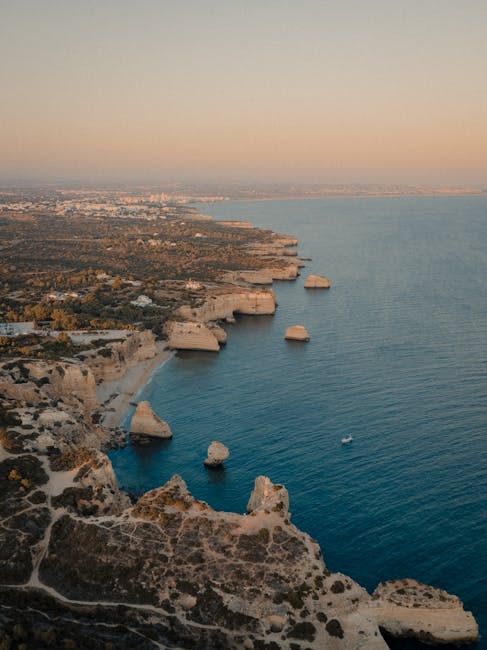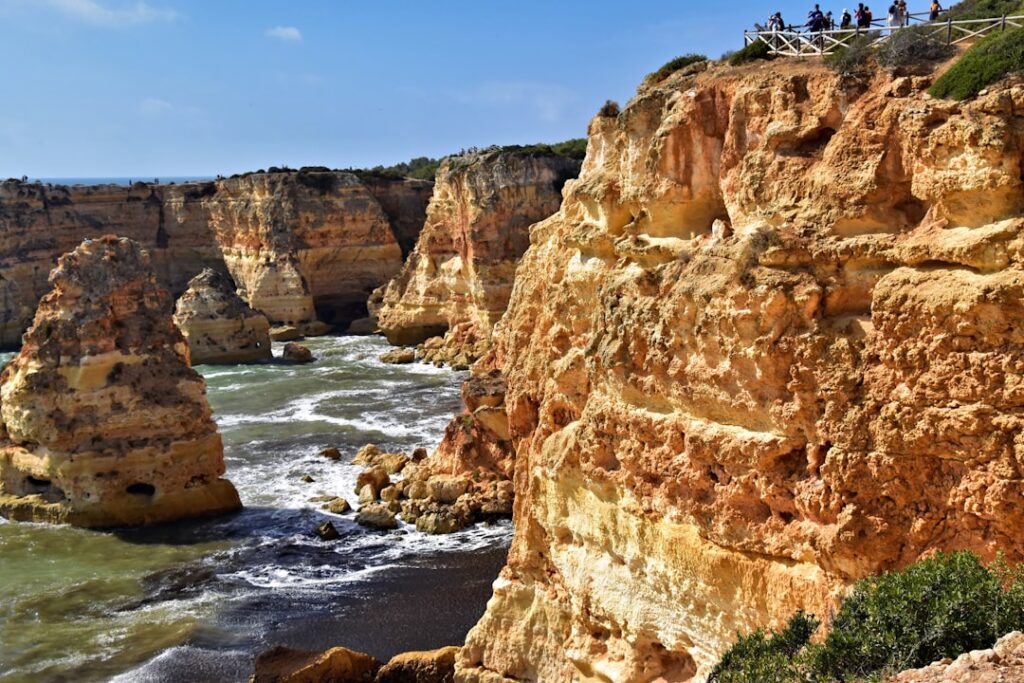





Introduction — When to go to the Algarve: understanding the seasons and their contrasts
The Algarve, at Portugal’s southern tip, is a region of many faces: golden cliffs, wide or tucked-away beaches, tranquil rias, whitewashed villages and lively towns. The question « when to go to the Algarve? » doesn’t have a single answer — weather, tourist crowds, available activities and the vibe you want all vary a lot from one coast to another: the western coast facing the Atlantic, the busy central coast, and the gentler, less crowded eastern coast. Knowing how the seasons (spring, summer, autumn, winter) affect each area is key to planning a great trip.
In this practical, professional and detailed guide we’ll look at the ideal season for each coast: the west (Sagres, Lagos), the central coast (Albufeira, Praia da Rocha, Benagil), and the east (Faro, Vila Real de Santo António, Ria Formosa). You’ll find precise pointers including full places, exact addresses, indicative prices in euros, opening times for major sites, immersive descriptions and local tips to help you decide based on your priorities (beaches and tanning, surfing and waves, hiking, birdwatching, calm and gastronomy).
This guide covers practical elements: average temperatures, rainfall, wind strength and opening days for seasonal activities (boat trips to Benagil cave, crossings of the Ria Formosa, coastal cruises, fortress visits). We’ll also detail the best windows to avoid crowds while enjoying good weather, local events (festivals, markets), off-season alternatives and accommodation tips by coast. Every recommendation includes exact addresses — tourist offices, museums, marinas, identifiable beaches — and indicative entrance or service fees.
Finally, to make the text more vivid we’ve placed image markers 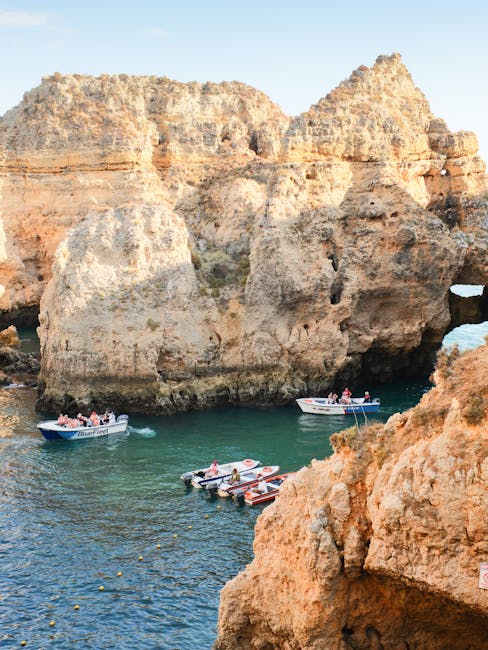 at key visual points (sunset cliffs, a busy sea cave with boats, the Ria Formosa lagoon, etc.). These images will help you picture the landscapes described and better decide when to travel depending on the experience you want. Whether you’re after lively beach action, peaceful lagoon time, powerful surf or cultural discovery, this guide will help you pick the best time to visit the Algarve.
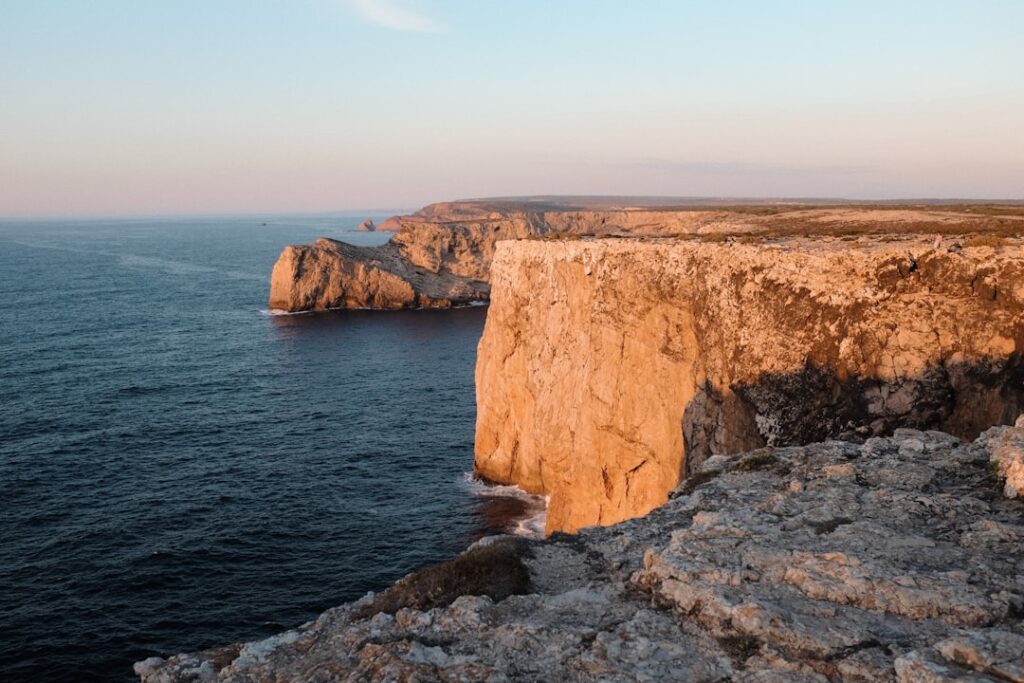
Western coast (Sagres, Lagos) — best seasons for surfing, freedom and sunsets
The western Algarve stretches from Lagos west to the Sagres headland. It faces the Atlantic directly: waves are stronger, wind can pick up even in summer, and beaches tend to be wild and dramatic. If you’re after surf, cliffside trails, dramatic sunsets and a more « authentic » vibe, the west is a top choice. Which season should you favor?
Spring (March to May): Many consider spring the sweet spot for combining pleasant weather and fewer crowds. Daytime temperatures typically range from 17°C to 23°C, days get longer and the surf is well-suited for many breaks (spots like Arrifana and Amado, technically a bit south in Alentejo but often grouped with the western scene). In Lagos, enjoy walks around Ponta da Piedade (Marinha boat trips frequent in Lagos) without the summer crush. Practical example: boat and kayak departures to Ponta da Piedade from Marina de Lagos, Av. dos Descobrimentos, 8600-315 Lagos, Portugal — kayak or boat tours from ≈ €25–35 per person, about 1h30; typical April–May hours 09:00–18:00 depending on the operator.
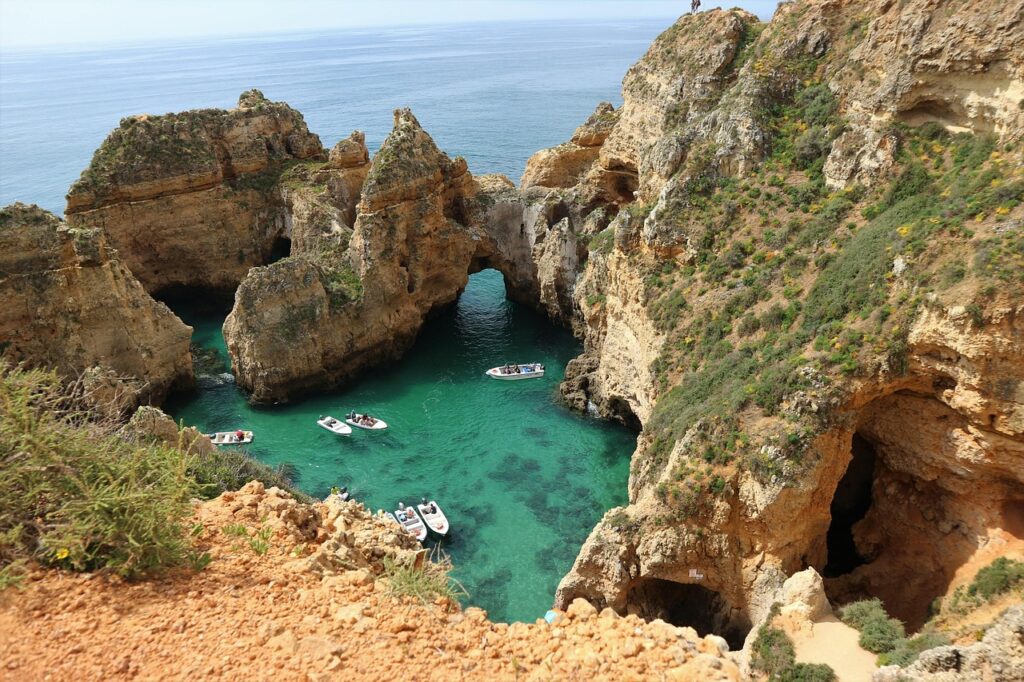
Summer (June to August): Summer draws beachgoers looking for sun. Temperatures often hit 28–33°C but an ocean breeze keeps things comfortable. Lagos and Sagres beaches (Praia Dona Ana, Praia do Camilo) get busier and narrow coastal roads to coves can be slow. Experienced surfers will seek the more powerful sets away from sheltered bays. In Sagres, the Fortaleza de Sagres (Fortaleza de Sagres, Apúlia 1, 8650-341 Sagres) is open daily; entry around €3–4; typical summer hours 09:00–19:00. For a calmer experience, head out early morning or late afternoon.
Autumn (September to November): September and October are an excellent compromise: the sea has warmed during summer (water often 20–23°C), air temperatures remain mild, and surf conditions can improve. Accommodation prices drop after high season and sunsets stay spectacular. Many boat trips to the sea caves keep running at reduced rates — for example, Benagil boat tours from Praia de Benagil, Benagil, 8400-000 Carvoeiro, Algarve — fares from ≈ €25 per person, duration 1–2 h; hours 09:30–17:00 depending on the season.
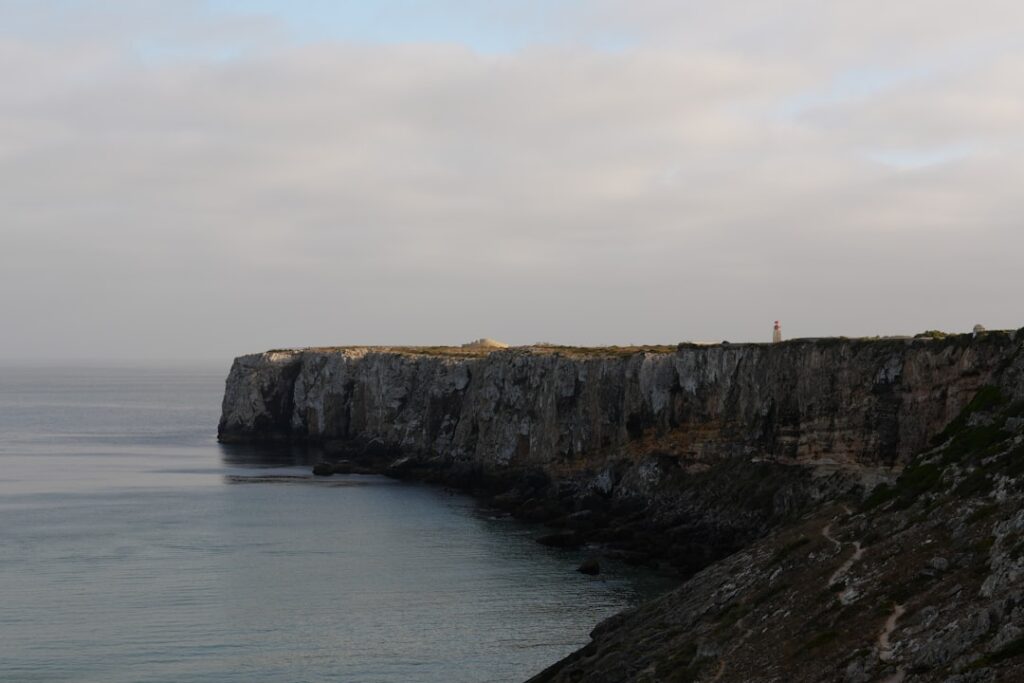
Winter (December to February): Winters are cool but mild compared with much of Europe. Daytime temps usually sit between 12–17°C; rainy days are possible but often broken by sunny spells. This is a great season for hikers who want solitude and for surfers chasing more consistent swells. Many restaurants and hotels scale back services in the low season, so check opening times before you set out. Practical note: the Centro de Interpretação da Batalha do Alvor may be closed on some winter days; for tourist office info contact Posto de Turismo de Lagos, Praça Infante Dom Henrique, 8600-678 Lagos, Portugal — approximate low-season hours 09:00–17:30.
- Local tip: If you want surf with fewer people, aim for March–May or September–October.
- Logistics tip: Rent a car to reach more isolated beaches and go early to secure parking (limited spaces at Ponta da Piedade and Praia do Camilo).
- Food test: Try the seafood cataplana at « A Forja » — Rua do Castelo 6, 8650-360 Sagres — dishes ≈ €12–€25; hours 12:00–22:00, closed some Sundays.
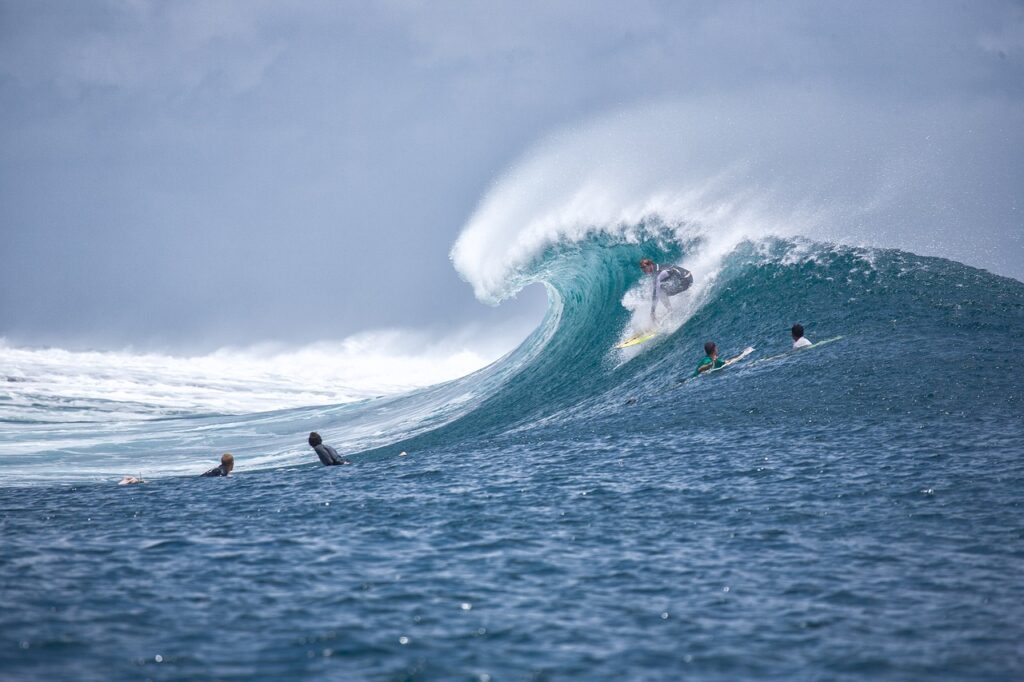
Central coast (Albufeira, Portimão, Benagil, Praia da Marinha) — high season, beaches and boat trips
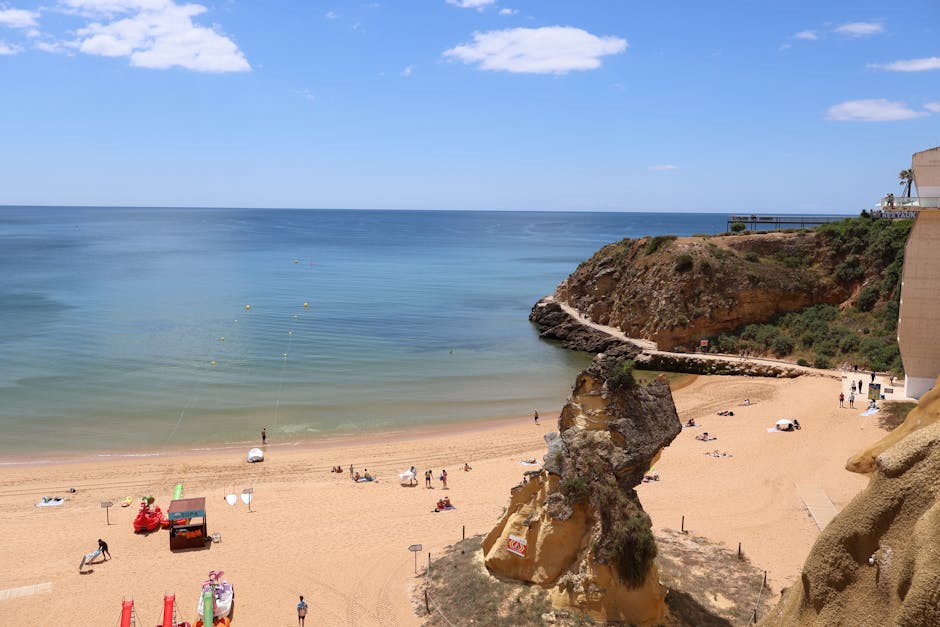
The central Algarve is what many picture: long sandy beaches, buzzing resorts like Albufeira and Portimão, and iconic attractions like the Benagil caves and Praia da Marinha. If your main goal is sun, full tourist services and coastal excursions, the central coast delivers — but it’s also the busiest in summer. Remember that each sub-area has its own rhythm and ideal seasons.
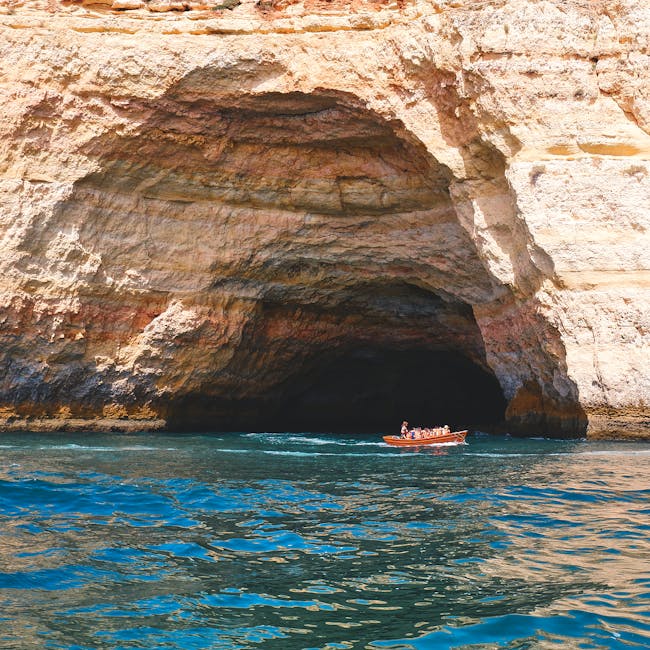
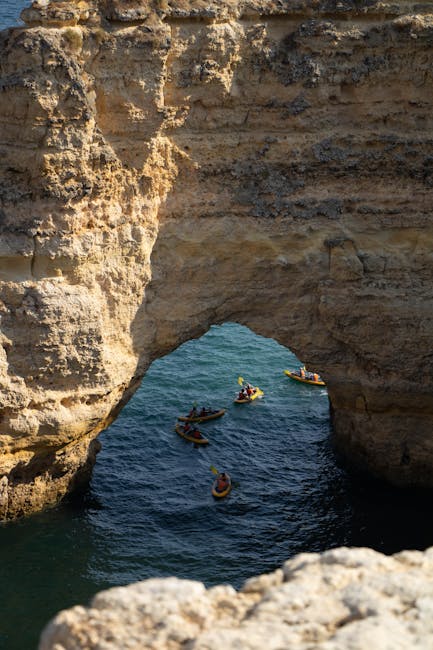
High season (June to August): Summer months are the liveliest. Praia da Rocha (Praia da Rocha, 8500-002 Portimão, Portugal) and Albufeira (Praia dos Pescadores, Av. 25 de Abril, 8200-161 Albufeira) fill up, nightlife and dining are in full swing, and hotel rates peak. Expect to pay more: a Benagil cave cruise can cost ≈ €30–45 per person depending on boat type (rigid, kayak, SUP), and spots sell out fast — book ahead. Departure times in high season often run from 09:00 to 18:00.
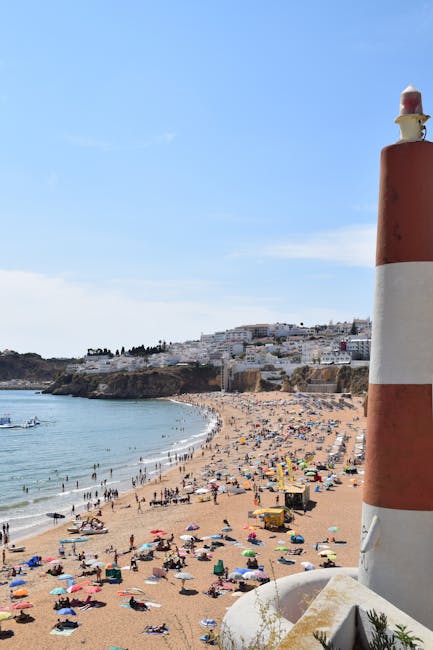
Spring and autumn (May, September, October): These months are usually the best times to visit the central coast if you want fewer crowds but still great weather. In May and September the water often reaches 19–23°C, warm enough for comfortable swimming. Prices fall outside July–August and boat trips run reliably but with fewer people aboard. Practical example: Benagil cave tours offered by « Benagil Sea Cave Tours » — boarding at Praia de Benagil, Benagil, 8400-000 Carvoeiro; price ≈ €25–35; typical hours 09:30–17:00 depending on season.
Winter (November to February): Visitor numbers drop significantly in winter. Some boat rental companies and water-activity operators scale back or stop services. Still, Praia da Marinha (Praia da Marinha, 8401-908 Lagoa, Portugal — access via N125 or official parking) remains spectacular and open for contemplative walks. Seaside accommodation often offers good off-season deals. If you love landscape photography, the golden cliffs under dramatic skies make for remarkable shots with hardly anyone around.
- Activity example: Boat trips to Praia da Marinha to admire arches and rock formations — departures from Praia de Benagil or local marinas; price ≈ €25–40, duration 1–2 h.
- Useful address: Marina de Portimão, Praia da Rocha, 8500-843 Portimão — water activities and fishing trips; local info desks usually open 09:00–18:00 in season.
- Local tip: To enter Benagil cave from inside, favor morning departures for calmer sea and softer light, especially in May–June or September.
Food and services: The central coast has a wide range of family-run and modern restaurants. In Portimão, « Restaurante F » — Largo da Mó 34, 8500-300 Portimão — offers menus around €18–35; hours 12:00–15:00 and 19:00–23:00 (closed Monday). In Albufeira, « O Marinheiro » — Rua da Mesquita 2, 8200-269 Albufeira — serves Mediterranean dishes around €15–30; hours 12:00–23:00. Most places stay open during the season but some reduce hours in winter—check before you go.
Eastern coast (Faro, Ria Formosa, Vila Real de Santo António) — best season for birdwatching, calm and cultural discovery
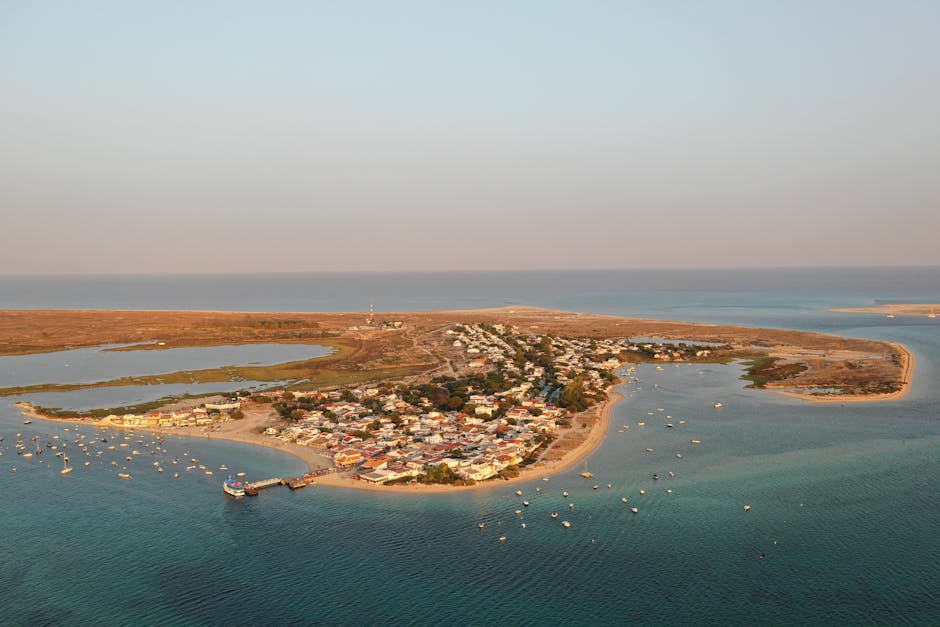
The eastern coast combines the protected Ria Formosa lagoon, Faro’s old town and quiet ports stretching to Vila Real de Santo António at the Spanish border. The climate here is slightly milder and more sheltered, beaches tend to be quieter (barrier islands like Ilha Deserta or Ilha da Culatra) and activities focus on nature, birdwatching, fishing and culture. If you want a slower, more cultural stay with peaceful walks, the east is often the best bet.
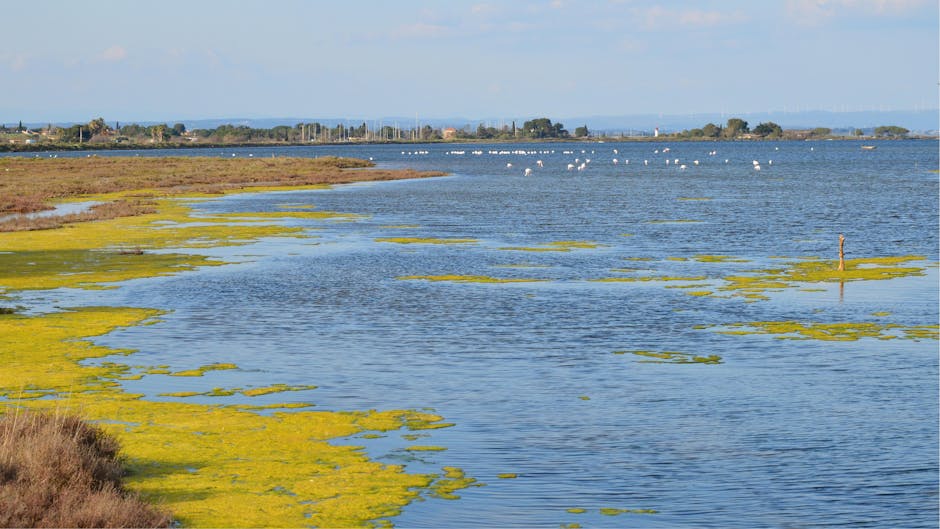
Spring and autumn: These seasons are ideal for birdwatching (spring and autumn migration) and exploring the Ria Formosa. The reserve, a protected area, hosts flamingos, spoonbills and many migratory species. Practical trip example: Ria Formosa boat tours from Faro Marina — Marina de Faro, Rua do Almirante Reis, 8000-309 Faro, Portugal — tours from ≈ €20–30 per person; usual departure times 09:30, 11:00, 15:00 (varies by operator). Spring brings vivid blooms and pleasant 18–24°C temperatures.
Summer: In summer, the barrier islands (Ilha Deserta, Ilha do Farol, Ilha da Culatra) are perfect for beach days away from the busier central resorts. Ferry crossings to Ilha Deserta leave from Faro (Faro Marina — boarding at Cais da Marina, 8000-309 Faro); round-trip fares ≈ €8–15; schedules vary but usually run from 10:00 to 17:00 in high season. Island restaurants stay open during summer but capacity is limited — arrive early for a sunbed and a relaxed lunch.
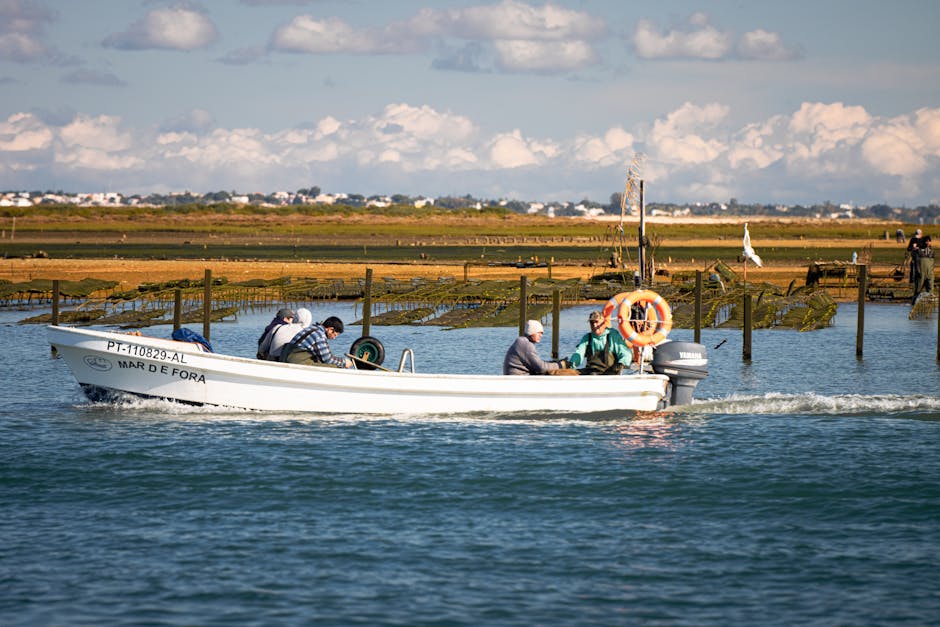
Winter: Winter is quiet and pleasant for a cultural visit to Faro. Museums and churches remain open though some tourist services shorten their hours. Cultural spot example: Museu Municipal de Faro, Largo do Carmo, 8000-168 Faro, Portugal — entry usually around €3–5; typical off-season hours 10:00–17:00 (check seasonally). For fish lovers and gourmets, the eastern Algarve has great fresh-fish restaurants in Vila Real de Santo António (Av. 25 de Abril, 8900-314 Vila Real de Santo António) with average meals €12–30.
- Birdwatching tip: Bring binoculars and a bird ID app; best times are early morning and late afternoon, especially in March–May and September–October.
- Practical travel: To explore the islands, check « Empresa de Navegação X » or the Faro Marina ticket offices; buy ferry tickets the day before in high season.
- Health and comfort: Even in summer, bring a light windbreaker for boat crossings; the sun can be strong across the low skies of the Ria Formosa.
Seasonal activities and practical addresses — what to do and when
Beyond choosing a season and a coast, available activities change by month. Here’s a practical overview, with addresses and indicative prices, to help plan the Algarve experiences people most seek.
- Caves and boat trips — Benagil: Benagil Sea Cave Tours, boarding at Praia de Benagil, Benagil, 8400-000 Carvoeiro — price ≈ €25–35; typical hours 09:30–17:00 (more frequent in summer). Book ahead in high season and favor morning departures for calmer seas.
- Ria Formosa — nature tours: Faro Marina (Marina de Faro, Rua do Almirante Reis, 8000-309 Faro) runs tours from €20–30; duration 1–3 h depending on the option. Ideal in spring and autumn.
- Surf and lessons — Sagres and Arrifana: Local surf schools (e.g. Sagres Surf School, Praça Infante D. Henrique 12, 8650-342 Sagres) offer group lessons ≈ €25–35 (2 h); sessions in mornings and afternoons depending on tide.
- Coastal hikes — Rota Vicentina / Seven Hanging Valleys: Ponta da Piedade trailheads at Marina de Lagos, Av. dos Descobrimentos, 8600-315 Lagos — trails open year-round; bring water and sturdy walking shoes.
- Dolphin watching: Departures from Albufeira Marina, Avenida Infante Dom Henrique, 8200-127 Albufeira — prices ≈ €30–50 depending on duration (3–4 h); best May to September but available off-season too.
Timetables and prices: Tourist operators usually follow seasonal logic. In high season most tours run between 09:00 and 18:00; off-season departures tend to cluster in the mornings. Prices in this guide are estimates (updated for 2026) and vary by fleet, boat type and local promotions. Tip: contact your provider in the week before travel to confirm schedules and book.
Practical local tips for choosing your timing — transport, lodging and money-saving tricks
When choosing the best window, factor in not only weather but logistics: access, accommodation availability, prices and the activities you want. Here are concrete tips and useful addresses to make your stay easier.
- Arrival and transport: Main airport: Faro International Airport, Aeroporto Internacional de Faro, 8000-078 Faro, Portugal — year-round flights. Renting a car is recommended; major rental companies are at the airport (daily rates vary ≈ €20–50 depending on season and car type).
- Tourist offices: Posto de Turismo de Faro — Praça Dom Francisco Gomes 1, 8000-168 Faro, Portugal — hours 09:00–17:30; Posto de Turismo de Lagos — Praça Infante Dom Henrique, 8600-678 Lagos, Portugal — hours 09:00–18:00 in high season.
- Accommodation: High season (July–August): book 3–6 months ahead for best value. Off-season: small family hotels and pousadas can be great deals. Example: Pousada de Sagres — Fortaleza de Sagres, Apúlia 1, 8650-341 Sagres — rooms ≈ €80–150 in low season, €150–300 in high season; reception often 24h (check management).
- Save money: Travel in May, June or September for the best price-weather balance; choose rooms that include breakfast and favor local eateries (tascas) over hyper-touristy strips.
Safety and health: The sun can be intense even outside summer: use sunscreen, drink regularly and avoid swimming near unsupervised cliffs. Lifeguard coverage is seasonal: for example, Praia da Rocha usually has lifeguards from mid-June to mid-September, roughly 10:00–18:00.
Conclusion — Summary and tailored recommendations for your trip
Choosing when to visit the Algarve depends on what you want from your trip. If you’re drawn to surf and wild scenery, the western coast (Lagos, Sagres) is best in spring and autumn for a nice balance between waves and tranquility. If you want lively beach days, full tourist services and boat trips to famous caves, the central coast (Albufeira, Portimão, Benagil, Praia da Marinha) shines in summer — but consider May or September to avoid crowds while still enjoying warm water. For calm, birdwatching and island crossings, the eastern coast (Faro, Ria Formosa, Vila Real de Santo António) is at its best in spring and autumn; it’s also the top choice for quieter cultural stays outside peak season.
Practically, use Faro International Airport (8000-078 Faro) as your base if you plan to explore the whole Algarve; rent a car for freedom. Book flagship excursions (Benagil cave tours, Ria Formosa boat trips, Ponta da Piedade departures from Marina de Lagos) ahead in high season — typical prices: €20–45 depending on trip and length. For the best overall balance, aim for May–June or September–October: good weather, still-warm sea, fewer crowds and gentler prices.
Finally, tailor your itinerary to your priorities: after choosing the coast that matches your desired activities, double-check local addresses and opening times (Posto de Turismo de Faro, Praça Dom Francisco Gomes 1, 8000-168 Faro; Posto de Turismo de Lagos, Praça Infante Dom Henrique, 8600-678 Lagos) and contact providers to confirm availability. Pack adaptable clothing (swimwear, windbreaker, walking shoes), strong sunscreen, binoculars if you’re birdwatching, and book morning excursions for the best sea conditions. The Algarve offers memorable scenery year-round — the right time really depends on what you want to experience.