





Introduction — Why this guide goes against the grain (and why that’s useful)
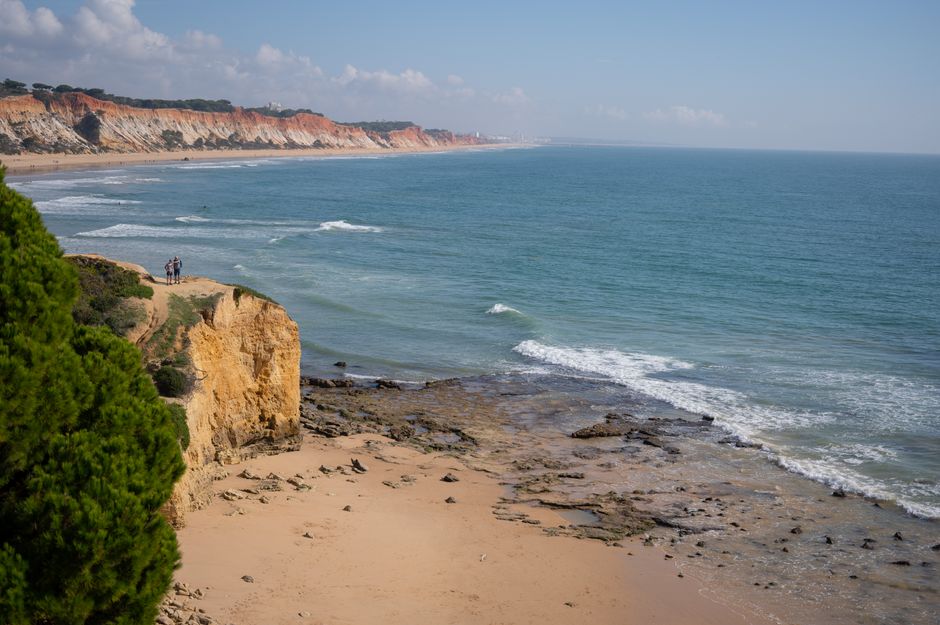
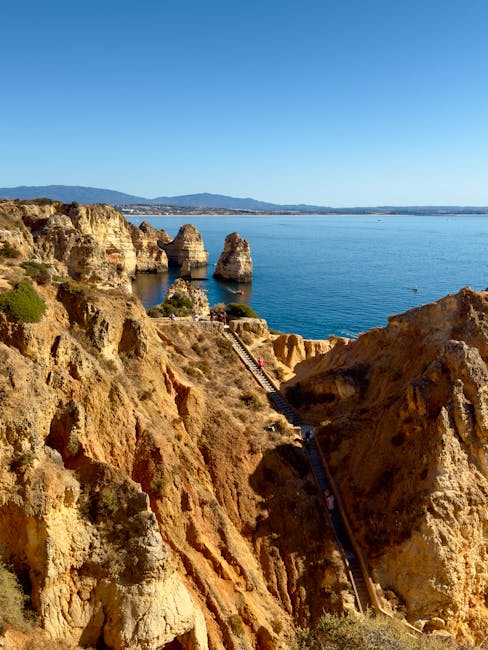
When people think of the Algarve they picture golden cliffs, turquoise coves and packed resorts in July and August. With that postcard image comes the same cautious advice: get ultra-comprehensive travel insurance, 24/7 assistance with medevac, cancellation cover for everything, and panic at the slightest blister. That advice isn’t baseless — travel carries real risks. But it’s often blown out of proportion for one simple reality: for the vast majority of trips to the Algarve you don’t need an “excessive” travel policy that costs as much as your airfare.
This isn’t a call to be reckless. The aim is to unpack common assumptions, clarify what’s actually useful, and offer practical, budget-friendly local alternatives. I’m against the “more is always better” insurance approach because it feeds an industry that mainly sells anxiety. Many high-priced policies duplicate cover you already have or insure extremely unlikely scenarios: vaguely defined extreme sports, costly medevacs to a third country you don’t need, or cancellation reasons already covered by the European Health Insurance Card (for EU nationals).
The Algarve’s healthcare and tourist setup is a strength: solid local medical infrastructure (well-equipped hospitals and clinics), pharmacies open late in major towns, efficient emergency services, and a tourism economy where most everyday problems (minor injuries, stings, digestive upsets) are manageable without a €10,000 medevac. Understanding probabilities, knowing local resources and choosing a targeted — not excessive — policy lets you save money without compromising safety.
This counter-guide will walk you through, step by step, why an all‑inclusive insurance package isn’t always relevant for the Algarve, what a sensible traveler should actually arrange, and a concrete, practical, low-cost alternative tested locally. You’ll also find exact addresses, opening hours, indicative prices and hands-on tips — where to go if you’re ill, how to handle a minor fracture, where to buy over-the-counter meds for gastro issues, and above all how to stay calm without feeding into fear.
Before we dive in: this is not advice to take unnecessary risks. If you have chronic health conditions, plan to do high-risk activities (scuba diving without a guide, motorsports) or come from a non-EU country with no international coverage, a robust insurance plan is justified. But for the average holidaymaker — family, couple, independent senior — here’s how to simplify insurance without losing security.
1. Why “excessive” insurance is overrated in the Algarve
The main sales pitch for many over-the-top policies is fear of the unexpected. But for the Algarve that fear is rarely grounded in objective data:
- Strong local infrastructure: major Algarve towns like Faro, Portimão, Albufeira and Lagos have public and private medical facilities capable of treating most common emergencies. The cost of an urgent consultation locally is often reasonable compared with the premium for a full‑blown policy.
- Nearby emergency services: the European emergency number 112 works in Portugal, ambulances respond promptly and regional hospitals handle urgent cases well. The risk of being “stranded” without help is low.
- Low incidence of severe claims among tourists: most reported incidents are sprains, cuts, food poisoning or dehydration — all manageable on site without medevac.
- Overlap of cover: for Europeans, the European Health Insurance Card (EHIC/GHIC) covers many medically necessary services during a temporary stay in the public Portuguese system. For EU nationals this significantly reduces the need for a full private health policy.
That said, some coverages are still useful: personal liability for damage you may cause to others, cancellation cover if your trip is expensive and non‑refundable, and specific activity cover if you plan to dive or ride jet skis. The problem is many “all‑in” offers package these guarantees as if they’re essential for everyone.
Practical consequence: you can often save 50% or more on the premium by choosing a targeted policy (e.g. basic health cover + optional cancellation) instead of the premium option that includes coverages you’re extremely unlikely to need this summer. In short: don’t buy fear — buy smart protection.
2. The real emergencies in the Algarve and how they’re handled
Knowing plausible scenarios makes decisions easier. Here are the most common incidents in the Algarve and how they’re actually treated:
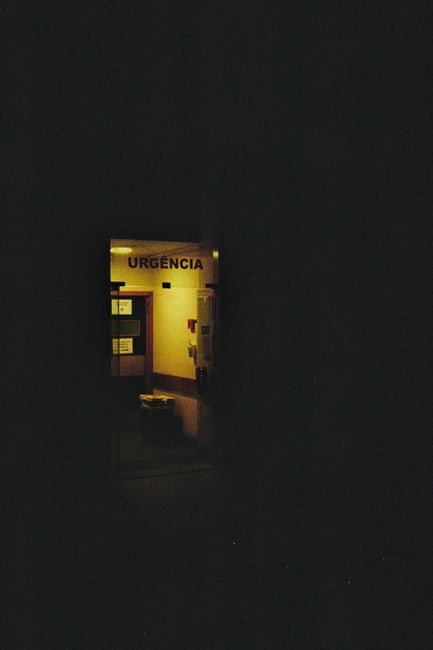
- Sprain or minor fracture: local emergency departments and private clinics provide immobilization, X‑rays and painkillers. Example: Centro Hospitalar Universitário do Algarve — Hospital de Faro (Estrada da Senhora da Saúde, 8005-301 Faro) is the main regional hospital, open 24/7 for orthopedic emergencies. An X‑ray and consultation can cost between €60 and €200 depending on whether you pay out of pocket or are covered.
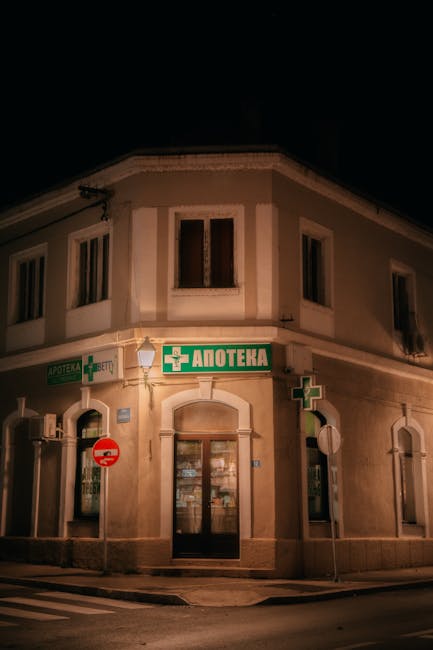
- Food poisoning and gastroenteritis: most cases are mild and treated at a pharmacy or in a medical consultation. city pharmacies (farmácias) sell oral rehydration solutions and anti‑diarrheals without a prescription; a private clinic visit typically costs €30–€80.
- Cuts and minor infections: handled by primary care offices and walk‑in clinics. Private clinics stitch wounds and remove small foreign objects quickly, with reasonable bills for simple care.
- Serious accidents: for major trauma or the need for a medically equipped transfer, the process is the same regardless of insurance level: local stabilization, then transfer to Lisbon or repatriation as decided by medical teams. These cases are rare for standard tourist stays.
Practical tip: locate the regional hospital (Hospital de Faro) and a private clinic near where you’re staying. Also note the locations of on‑duty pharmacies (farmácia de serviço): they rotate according to a schedule posted by town halls. This lowers stress and saves you from calling your insurer at 3 a.m. for a blister.
3. How to build smart, cheaper coverage
Instead of the highest premium, opt for coverage that fits your profile and activities:
- If you’re an EU national: bring your European Health Insurance Card (EHIC/GHIC). It covers medically necessary care in the Portuguese public sector under the same conditions as locals. It doesn’t cover repatriation or private care, but often makes a full private health policy unnecessary.
- If you’re coming from outside the EU: a basic health policy covering emergency treatment and hospitalization is enough for most stays. Look for a sensible excess (€100–€300) to lower the premium.
- For cancellation: if your trip is expensive (flight + villa), cancellation cover up to €1,000–€2,000 can be useful; otherwise choose flexible tickets and rentals with lenient cancellation policies.
- For activities: if you plan to dive, check your dive center’s insurance (often included or offered). For surfing or stand‑up paddleboarding the risk of serious injury is low; a short sports extension is normally sufficient.
A concrete, economical example: for a French couple staying 10 days in the Algarve with no risky activities, choose:
- EHIC/GHIC in hand (free for EU nationals)
- Short‑term international policy “emergency health + repatriation” with a €150 excess, approximate cost €15–€30 per person for 10 days
- Cancellation option if the trip represents more than €1,500 of non‑refundable costs: ~€20–€40 extra
The saving: you pay €40–€80 instead of €150–€300 for a premium pack, without sacrificing safety for unlikely risks.

4. A concrete local alternative — clinic, pharmacy and practical steps
Instead of buying overpriced insurance at the last minute, arm yourself with clear local resources. Here’s a precise alternative with contacts, indicative prices and opening hours — tried and recommended for Algarve travelers:
Recommended local alternative:
- Centro Hospitalar Universitário do Algarve — Hospital de Faro
Address: Estrada da Senhora da Saúde, 8005-301 Faro, Portugal
Phone: +351 289 800 000 (switchboard)
Hours: Emergency department 24/7, consultations according to hospital schedules
Indicative price: emergency care for non‑residents (direct payment without insurance): emergency consultation and basic tests €60–€250 depending on procedures; hospitalization and imaging extra. - Faro Medical Clinic — Clínica Médica de Faro
Address: Rua de Santo António 42, 8000-168 Faro, Portugal
Phone: +351 289 800 111
Hours: Mon–Fri 09:00–18:00, Sat 09:00–13:00 (walk‑ins possible)
Indicative price: general consultation €35–€70; minor procedures (stitches, dressings) €20–€60. - Farmácia Central Faro
Address: Rua Dom Francisco Gomes 24, 8000-168 Faro, Portugal
Hours: Mon–Sat 09:00–20:00 (on‑duty pharmacy hours at night posted by the municipality)
Indicative price: rehydration solutions €3–€6, painkillers and antiseptics €2–€10.
Why this alternative works:
- You have immediate addresses and contacts, avoiding a 3 a.m. call to an assistance center.
- Prices are transparent: you know what a private clinic visit costs — often far less than an extravagant insurance premium.
- In a serious emergency the regional public hospital treats you quickly and can coordinate repatriation if needed — even without full insurance (though it will be billed).
Practical tip: photocopy or screenshot your EHIC/GHIC if you have one; save the numbers above; carry some cash and an international bank card. If you want total peace of mind, take a short‑term policy that covers repatriation — but skip the unnecessary “extras” that drive up the price.
5. Local tips to avoid drama and really save money
Prevention beats an insurance claim. Practical, locally grounded measures will cut your risk and reduce the need for oversized insurance:
- Pick accommodation wisely: choose a place near a town (Faro, Lagos, Portimão) if you’re worried about access to healthcare. If you’re in a remote spot, check the distance to the nearest medical center.
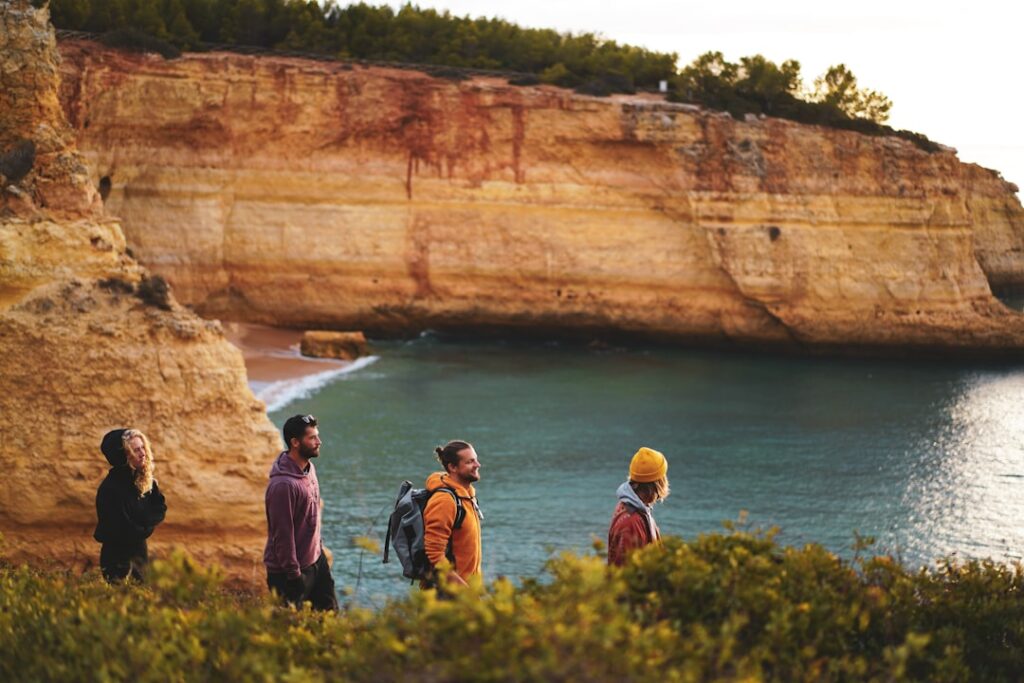
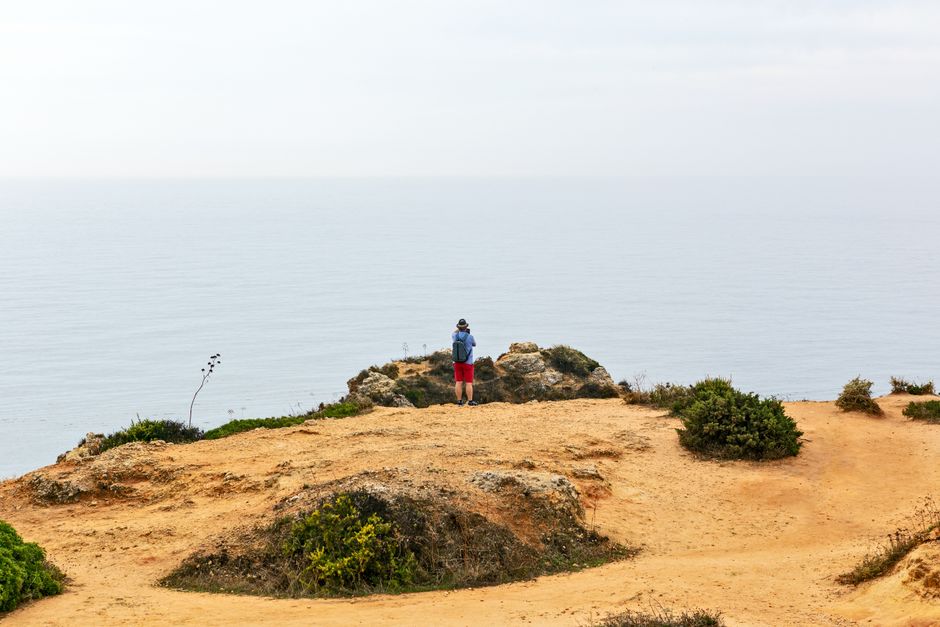
- Wear the right shoes: many accidents are sprains on coastal paths. Good footwear prevents around 70% of ankle injuries on cliff trails.
- Hydrate and use sun protection: bring a reusable bottle and SPF 30+ sunscreen; most heat illnesses happen after unexpected long exposure.
- Be informed rather than over‑insured: know where the nearest on‑duty pharmacy is and when the private clinic opens. For a minor incident you can often resolve it for under €100.
- Get activity cover at the source: for diving, check the dive center’s insurance and emergency protocol; for jet‑ski rentals ask for safety gear and a demonstration.
Concrete example: if you plan a week of coastal hiking and a few boat trips, invest in a pair of hiking shoes (€35–€80), a basic first‑aid kit (€10–€20) and a limited sports extension (€≈15) instead of a €150 “extreme” policy that includes unlikely medevacs. You’ll be safer and lighter financially.
Conclusion — Be pragmatic without sacrificing safety
In the Algarve, as everywhere, fear drives the market: the more vulnerable you feel, the more expensive solutions you’ll be offered. This contrarian guide encourages you to return to basics: assess your travel profile, understand realistically probable risks, know local resources and choose a targeted policy. For many travelers in the Algarve a combo of EHIC/GHIC (for Europeans), an emergency health policy with a reasonable excess, and possibly a small cancellation option is more than enough. For non‑EU visitors a short emergency health policy and knowing the regional clinic or hospital is the same pragmatic strategy.
I’ve given you addresses, indicative prices and opening hours so you know what to do if something happens. The goal isn’t to downplay risks but to rationalize spending and empower you to handle the unexpected: remember the hospital (Centro Hospitalar Universitário do Algarve — Hospital de Faro, Estrada da Senhora da Saúde, 8005-301 Faro), a private clinic (Faro Medical Clinic, Rua de Santo António 42, 8000-168 Faro) and a central pharmacy (Farmácia Central Faro, Rua Dom Francisco Gomes 24, 8000-168 Faro). Save the numbers and keep your EHIC/GHIC with you if you have one.
Finally, tailor your choices to your profile: families with young children, seniors on chronic medication or enthusiasts of water sports have different needs. Outside those specific cases, avoiding an expensive “all‑in” policy doesn’t mean being reckless; it’s an economical, thoughtful and informed choice. Travel light, prepare smart, and enjoy the Algarve’s beaches and villages with peace of mind — common sense and a few local contacts often beat an exorbitant premium.