





Introduction — Entry Requirements for Portugal: What to Know Before You Arrive in the Algarve
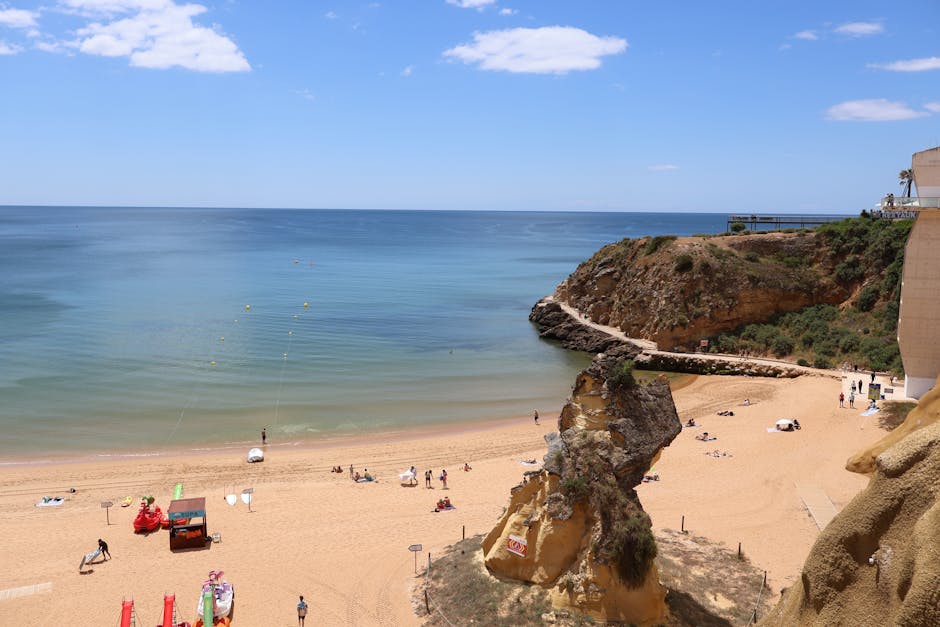
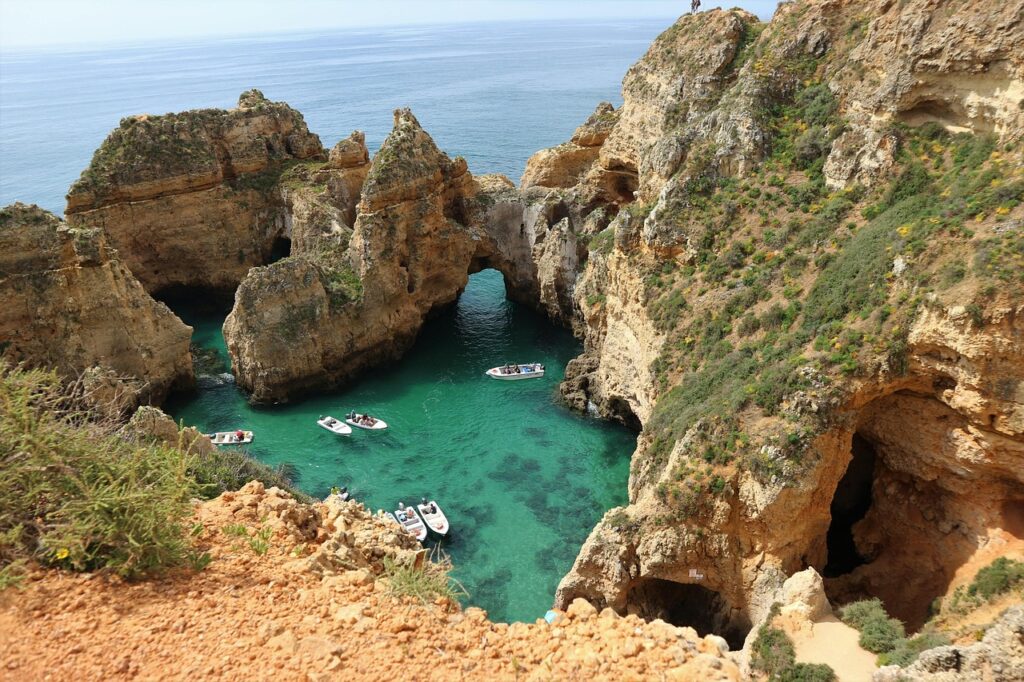
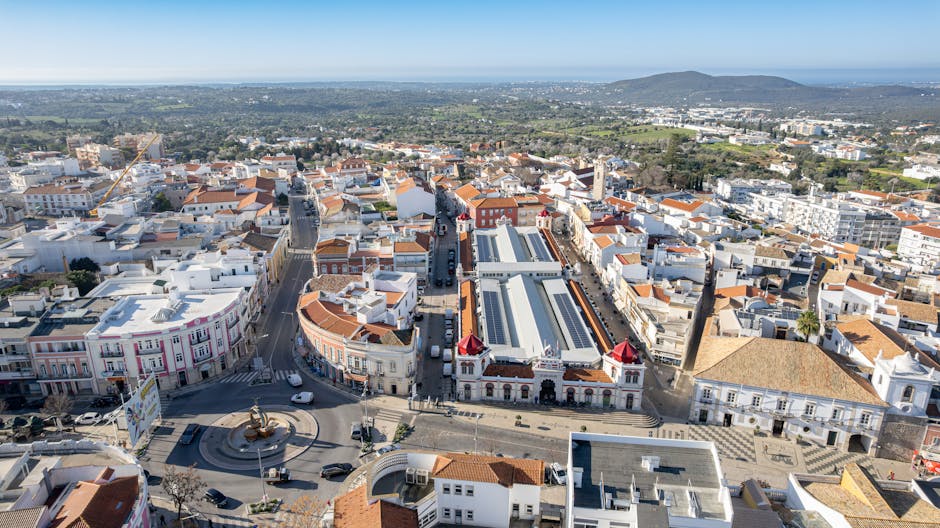
The Algarve, Portugal’s southern gem known for golden cliffs, soft sandy beaches and whitewashed villages, draws millions of visitors each year. Before you breathe in the salty air of Lagos, sip vinho verde in Tavira or get lost in Faro’s winding cobbled streets, it’s important to get your head around the administrative and health formalities for entering the country. This practical, thorough guide is aimed at both EU and non-EU travelers, families, retirees and business visitors planning to arrive in the Algarve by plane, boat or road. It outlines the documents you’ll need, entry points, border checks, visa rules, current health requirements, estimated costs (in euros) and local tips to avoid surprises.
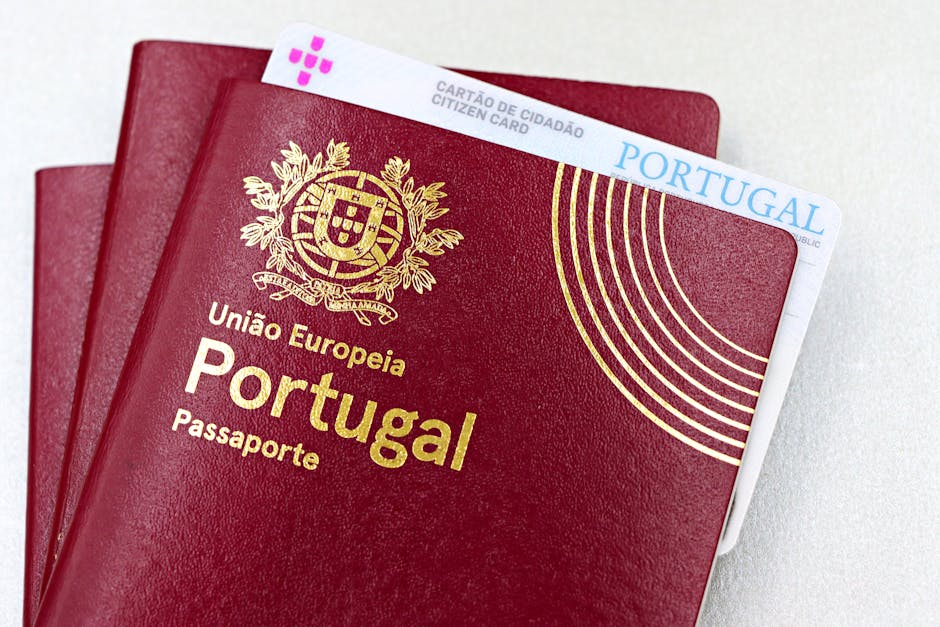
Although Portugal is part of the Schengen Area, rules vary by nationality. Citizens of the European Union (EU), the European Economic Area (EEA) and Switzerland can enter with a valid national ID card or passport. Third-country nationals usually need a valid passport and, depending on the purpose and length of stay, either a short-stay Schengen visa (type C) or a national/long-stay visa (type D). Travelers should also know the addresses and opening hours of major information and control points in the Algarve — especially Faro Airport — as well as local resources for emergencies.
Beyond documents, plan for the practical side: costs for PCR or antigen tests if health rules still require them, travel insurance covering at least €30,000 for non-EU nationals (sometimes required for visas), visa processing times (allow at least 15 working days for a Schengen visa, possibly longer depending on the season) and rules for transporting food, plants or medication. This guide also lists useful addresses (police stations, official offices, medical clinics, testing centers), typical opening hours, approximate fees and local tips (best times to arrive, transport alternatives to avoid long queues and time-saving tricks at border checks).
Finally, this information is designed to be immersive and practical: descriptions of the arrival atmosphere (arrival halls, queues, signage in Portuguese and English), directions for finding control desks quickly and tips to avoid extra charges (taxis, luggage storage, replacing lost documents). Get your paperwork in order, note essential addresses, and read this guide before you leave: the Algarve is waiting.
Documents and Visas: Who Needs What?
Entry formalities depend heavily on your nationality, the length and purpose of your stay. Here’s a clear, concise overview to help you prepare for your trip to the Algarve.
EU/EEA/Swiss Citizens
- Required ID: Valid national ID card or passport. No visa required.
- Length of stay: Tourist stays up to 90 days without extra formalities. For longer stays (work, residence) you must register with local authorities.
- Practical tip: Keep both a paper and digital copy of your ID; if it’s lost, contact your consulate or embassy immediately.
Third-country Nationals (non-EU)
Rules are stricter for international visitors. For a short tourist stay (up to 90 days in any 180-day period), most nationalities must obtain a short-stay Schengen visa (type C) before traveling. The visa fee is €80 for adults (standard rate as of 2024). A typical application file includes:
- Passport valid for at least 3 months after your planned departure from the Schengen area and issued within the last 10 years.
- Completed and signed visa application form.
- Recent passport photo (35 x 45 mm).
- Round-trip flight reservation or detailed itinerary.
- Proof of accommodation (hotel booking, rental agreement) — for example, a hotel reservation in Albufeira (e.g. Hotel Sol e Mar, Avenida da Liberdade 23, 8200-157 Albufeira) or a short-term lease.
- Travel insurance covering at least €30,000 for medical expenses and repatriation (approximate cost: €15–50 per person for a short trip).
- Proof of financial means: bank statements, income certificates or an invitation letter.
Average processing time is 15 working days, but may extend to 30–60 days during high season or depending on the consulate. Applications are submitted to the Portuguese consulate/embassy in your country or through accredited visa application centers (VFS Global in some locations). Service fees vary: expect an additional €25–35 for processing at a visa center.
Long-stay Visas and Residence Permits
If you plan to stay longer than 90 days (for work, study or retirement), you must apply for a national visa (type D) at the Portuguese consulate and, after entry, apply for temporary residence with the Serviço de Estrangeiros e Fronteiras (SEF). Fees for residence permits vary: for example, a temporary residence application can cost around €50–100 depending on the reason and duration. For local addresses and procedures, check with SEF or the local administrative office — practical information is also available at the Faro City Hall (Câmara Municipal):
- Câmara Municipal de Faro, Praça da Liberdade 1, 8000-856 Faro — offices open Monday to Friday, typically 09:00–16:00.
Tip: start the process at least 3 months before your planned move to avoid delays.

Entry Points to the Algarve and Border Controls
The Algarve is reachable by several routes: plane (Faro Airport), ferry, train and road (from Spain). Each entry point has its own procedures and facilities. Here’s what to know to save time and avoid unpleasant surprises.
Faro Airport — main arrival hub
The main arrivals terminal is Faro Airport (FAO), address: Estrada do Aeroporto s/n, 8005-072 Faro, Portugal. The arrivals hall is generally open 24 hours; passport control desks and exits operate according to scheduled flights. Passport checks are carried out by the Polícia de Segurança Pública (PSP) and, if needed, the Serviço de Estrangeiros e Fronteiras (SEF).
Practical details:
- Opening hours: The terminal is open 24/7 but airline help desks and car rental counters have variable hours (typically 06:00–24:00).
- Airport fee: Included in most tickets. There’s usually no separate arrival tax to pay on site.
- Transfers: Taxi to Faro city centre: €10–15 (about 15 minutes). Taxi to Albufeira: €25–40 (30–40 minutes depending on traffic). The official EVA Transportes bus service runs to Lagos, Albufeira and Portimão; a Faro–Albufeira ride costs about €7–10.
Roads, bridges and ferries
If you arrive by car from Spain (via the A22, the fast road known as the Via do Infante), there are usually few formal border controls, but carry your ID and make sure the vehicle paperwork is in order (insurance, vignette if required). Ferries serving islands or local routes generally don’t involve special formalities beyond standard security checks.

Stations and rail travel
Portugal’s rail network reaches the Algarve via the Linha do Algarve operated by Comboios de Portugal (CP). Faro’s main station is roughly in the city center. Approximate address: Gare de Faro, Praça Francisco Sá Carneiro, 8000-168 Faro. International trains from Spain often require document checks at departure, so keep printed tickets and your passport handy.

Health, Insurance and Testing Requirements (PCR/Antigen)
Health requirements have evolved since the COVID-19 pandemic. At the moment, there is generally no obligation to present a PCR or antigen test on arrival for vaccinated or unvaccinated travelers, but rules can change. Below is a practical guide and useful addresses for getting tested or obtaining medical certificates before you travel or once you arrive in the Algarve.
Travel insurance and medical coverage
For non-EU nationals, having travel insurance with at least €30,000 medical coverage is strongly recommended. EU citizens can use the European Health Insurance Card (EHIC) to access public healthcare under the same conditions as Portuguese residents. Indicative cost for private travel insurance for one week: €20–80 depending on age and coverage.

Testing centers and prices in the Algarve
- Centro de Teste Covid Faro — Clínica Médica de Faro, Rua Conselheiro Bivar 28, 8000-168 Faro. Hours: Mon–Fri 08:00–18:00. PCR tests: around €60–120. Antigen tests: around €15–30.
- Laboratório de Análises Portimão, Avenida Sabóia 12, 8500-704 Portimão. Hours: Mon–Fri 08:30–17:30. PCR: ~€70–100.
- Centro Médico Albufeira, Rua Cidade de Frankfurt 10, 8200-070 Albufeira. Hours: Mon–Fri 09:00–18:00. Rapid antigen: ~€15.
These prices are indicative and vary by lab. Many offer PCR results within 24 hours, and some provide express options in under 6 hours (supplement ≈ €20–50). Local tip: book online the day before your flight to skip queues and secure a guaranteed slot.

Practical Arrival Tips for the Algarve: Logistics, Transport and Local Hacks
Arriving in the Algarve can be smooth if you come prepared. Here are concrete tips for arrivals, transport, currency exchange, local SIMs and safety.
Money, cards and items to declare
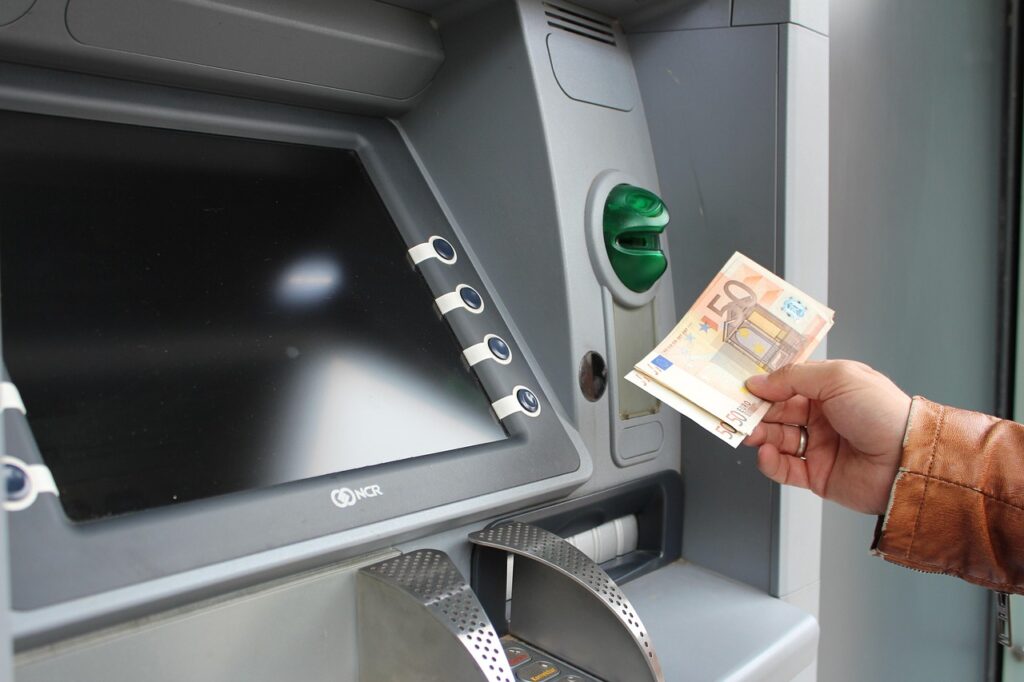
- Currency: euro (€). ATMs are available at Faro Airport and in all major towns. International withdrawal fees vary (usually €2–5 + bank commission).
- Cards: Visa and Mastercard are widely accepted; American Express is less common. Carry cash for small shops and markets.
- Customs: if you carry more than €10,000 in cash, you must declare it on arrival.
Local transport and timetables
Taxis: the official taxi rank at Faro Airport is right outside arrivals; indicative fixed fares: Faro centre €10–15, Albufeira €25–40, Vilamoura €30–45. Many local companies accept cards but ask before you get in.
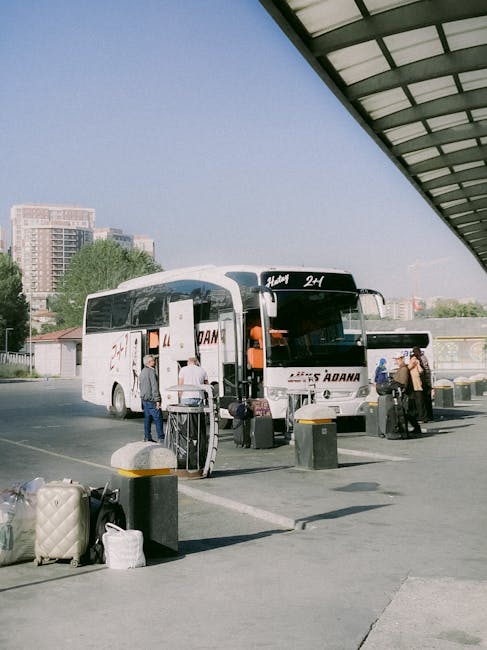
Buses: EVA Transportes (terminal at the airport and downtown) runs regular services to Lagos, Portimão and Albufeira. Buy tickets at the counter or online. Fares: Faro–Lagos ≈ €12–15, Faro–Portimão ≈ €8–12, Faro–Tavira ≈ €6–9. Timetables vary by season, with higher frequency in summer.
Useful numbers and addresses in the Algarve
- Police/Emergency (Portugal): 112 (European emergency number)
- Hospital de Faro — Unidade Local de Saúde do Algarve, Estrada Nacional 125, 8005-790 Faro. Emergency services 24/7.
- Police station (PSP) — Rua de Santo António 16, 8000-326 Faro. Hours: typically 24/7 for interventions.
- Faro Tourist Office — Praça Dom Francisco Gomes 1, 8000-167 Faro. Hours: Mon–Sun 09:00–18:00 in high season.
Local tip: download the MyTaxi/Free Now or Bolt app to compare taxi prices and avoid surcharges. If you rent a car, take photos of the vehicle at pick-up and drop-off to prevent disputes.
Conclusion — Prepare Your Arrival in the Algarve: Checklist and Final Recommendations
Entering Portugal, and specifically the Algarve, is usually straightforward, but a successful arrival comes down to careful preparation: check your nationality and the required documents (ID card or passport), anticipate visa needs (allow at least 15 working days for a Schengen visa), get adequate travel insurance (minimum €30,000 for non-EU nationals) and confirm current health requirements at departure (PCR/antigen tests, certificates).
Before you go, print and save digital copies of your passport/ID, insurance, accommodation bookings, emergency contacts and your country’s embassy or consulate details. On arrival, keep these documents handy; at Faro Airport (Estrada do Aeroporto s/n, 8005-072 Faro), follow signs for immigration, baggage claim and customs. Book any required COVID tests the day before departure to ensure timely results (PCR: €60–120, antigen: €15–30).
On site, favor official transport options (licensed taxis, EVA buses, CP trains) and note key addresses like Faro Hospital (Unidade Local de Saúde do Algarve, Estrada Nacional 125, 8005-790 Faro) and the local police station. Finally, respect local rules (do not carry undeclared large sums of cash, obey beach and cliff signage) to enjoy a worry-free stay.
With this planning, you’ll cut stress on arrival and be free to enjoy the Algarve’s breathtaking scenery — from Praia da Rocha in Portimão to the historic lanes of Tavira. Safe travels — and remember: a copy of your documents and clear insurance are worth more than a long wait at the border.