





Introduction — Medical emergencies in the Algarve: prepare for your trip with confidence
The Algarve, Portugal’s southernmost region, draws millions of visitors each year with its golden beaches, dramatic cliffs and mild climate. But even in this postcard-perfect setting, accidents and health issues can happen: sprained ankles on coastal trails, cuts while fishing, allergies, dehydration, food poisoning, or more serious situations requiring hospital care. Knowing in advance where emergency facilities are, their locations, opening hours and potential costs is invaluable for traveling with peace of mind.
This practical, detailed guide is for everyone: foreign visitors, temporary residents, expats, families with children and seniors. It brings together essential information about the Algarve’s public and private hospitals, local health centers (Centros de Saúde), dental and eye emergency services, the role of the European emergency number 112, and out‑of‑hours pharmacies. You’ll find addresses, typical opening hours, indicative prices based on rates at the time of writing, and hands‑on tips to speed up appropriate care.
Before diving into specific facilities, it’s important to remember a few practical rules. If you’re an EU citizen, the European Health Insurance Card (EHIC) entitles you to public healthcare on similar terms to Portuguese residents; however, some costs may still fall to you (additional tests, long hospital stays, treatments not covered). Non‑EU travelers should get international health insurance that covers emergency care and evacuation if needed. Private facilities often ask for payment upfront; always keep your receipts and invoices for potential reimbursement from your insurer.
This guide also includes practical advice for drivers (list of emergency centers near major roads and airports), athletes (specialized trauma and rehabilitation facilities), and families (pediatric and neonatal emergency services). Finally, local recommendations and tips for communicating in Portuguese during an emergency will help you speed up processes: useful expressions, how out‑of‑hours pharmacies work, and peak emergency times to avoid unnecessary waiting.
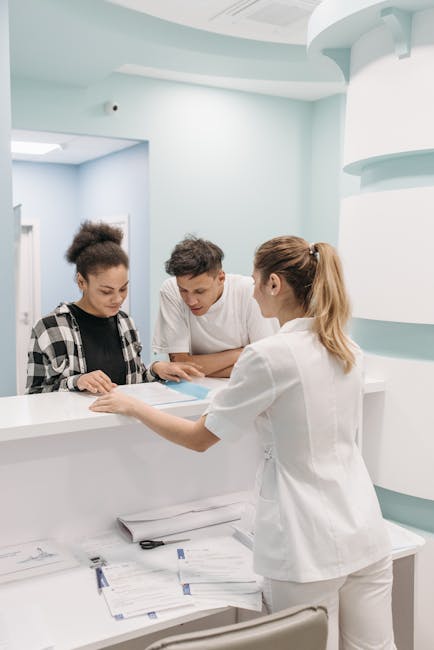
Major public hospitals: where to go for serious emergencies
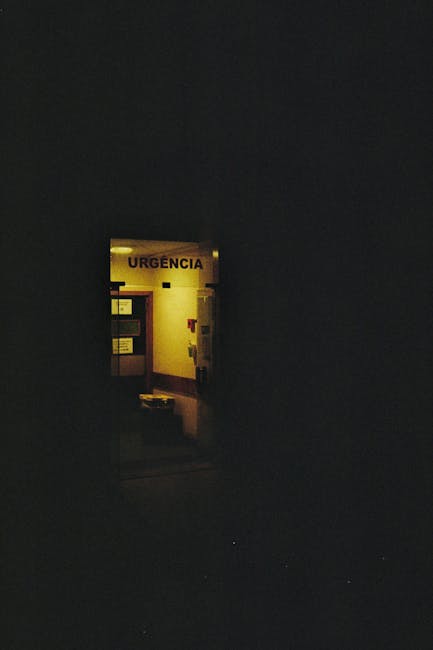
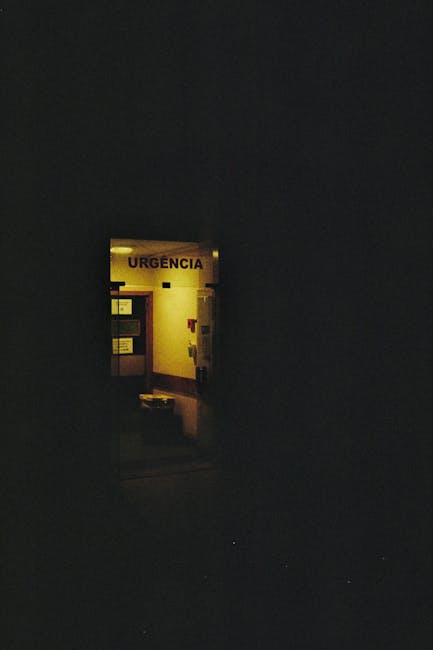
In the Algarve, the two main public hospital centers that handle serious emergencies are grouped under the Centro Hospitalar Universitário do Algarve (CHUA). These hospitals have emergency departments (Serviço de Urgência), operating theaters, imaging (CT, MRI), intensive care units and specialist services. Here are the practical details on how to reach them.
1) Centro Hospitalar Universitário do Algarve — Hospital de Faro
Official name: Centro Hospitalar Universitário do Algarve, EPE — Hospital de Faro (Hospital de Faro).
Address: Rua de São Francisco, 8000-295 Faro (note: postal details may differ depending on sources; use GPS or call ahead).
Emergency department hours: 24/7.
Description: Hospital de Faro is the regional referral center for complex medical and surgical cases, cardiology, neonatology and internal medicine. Adult and pediatric emergency services operate around the clock with triage on arrival (vital signs assessment). The imaging suite (radiology, CT) is available 24/7 for urgent tests. The hospital also includes an intensive care unit (ICU) and a maternity unit for high‑risk births.
Practical tips: if you arrive unexpectedly, bring identification, your insurance card or EHIC, and a list of your medications. Waiting times can be long during high tourist season; if the condition isn’t critical, consider being evaluated first at a local Unidade de Saúde (Centro de Saúde) or a private clinic.
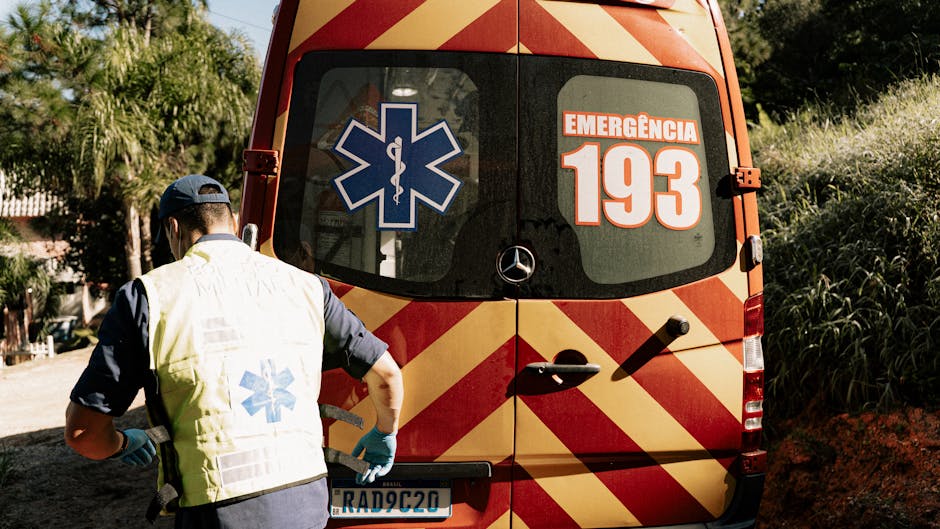
2) Centro Hospitalar Universitário do Algarve — Hospital de Portimão
Official name: Centro Hospitalar Universitário do Algarve, EPE — Hospital de Portimão.
Address: Rua das Tendinhas, 8500-702 Portimão (check by phone before setting off).
Emergency department hours: 24/7.
Description: Hospital de Portimão serves the western Algarve. It specializes in general surgery, trauma, emergency medicine and has an active orthopedics service for road or sports injuries. The operating theaters handle emergency surgeries and the imaging department provides prompt diagnostics. Portimão is often the closest choice for western resorts (Praia da Rocha, Lagos, Aljezur).
Practical tips: if you’re transported by ambulance (112), the decision to take you to Portimão or Faro will depend on severity and required specialty. If there’s an obvious fracture, describe the mechanism of injury to speed access to orthopedics.
Private clinics, dental emergencies and complementary services
The private healthcare sector in the Algarve is extensive and is often a faster alternative to public emergency departments, for a fee. Private clinics frequently offer minor emergency care, imaging and specialist units (dentistry, ophthalmology, trauma). They commonly require payment up front or a credit card as guarantee. Below are well‑known private facilities and practical details; remember to call to confirm addresses and fees before traveling.
1) Hospital Particular do Algarve — Lusíadas Saúde (Faro)
Name: Hospital Lusíadas Faro — Private Unit (Lusíadas Saúde).
Address: Avenida da República 36, 8000-102 Faro (indicative address, verify by phone).
Hours: Private emergency departments often open 24/7; reception and consultations: Mon–Fri 08:00–20:00, Sat 09:00–13:00.
Indicative prices: urgent consultation (consultório): €60–120; simple X‑ray: €30–70; CT scan: €150–350; specialist consultation: €80–180; hospitalization: daily rates depend on room type €200–500 + procedures. These prices are indicative and vary by clinic and insurer.
Description: Lusíadas is a private chain with units in Faro and other cities. Private facilities provide faster care, often with English‑speaking doctors. Foreign patients commonly use them for non‑vital issues, abscesses, sutures and urgent imaging.
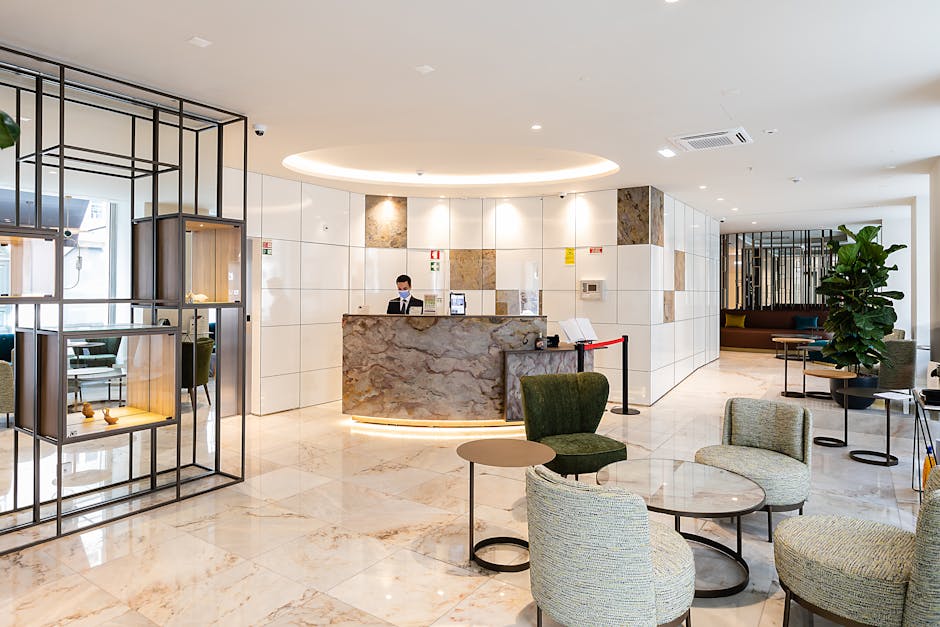
2) Clínica Particular de Portimão — Private emergency centre
Name: Clínica Particular (various private operators).
Address: Urban area of Portimão, check the chosen clinic by phone (e.g. Avenida S. João de Deus for some private clinics).
Hours: Minor emergency services: often 24/7; specialist consultations by appointment (Mon–Fri).
Indicative prices: urgent consultation: €50–120; simple sutures: €40–90; lab tests: €20–120 depending on the panel.
Description: Private clinics in Portimão respond quickly to non‑vital needs: wounds, moderate abdominal pain, ultrasound or CT diagnostics. They’re convenient for tourists who prefer to avoid long queues at public hospitals.
3) Dental and ophthalmic emergencies
Dental emergencies are common (severe pain, infections, dental trauma). Private practices in Faro, Albufeira, Portimão and Lagos offer urgent consultations; prices vary: emergency dental consult €40–100, simple extraction €60–200, abscess treatment €80–250. For eye emergencies (foreign body, acute pain, injury), private clinics and some public hospitals provide out‑of‑hours care. Take your glasses, contact lenses and a list of allergies.
Local health centers, on‑call pharmacies and administrative steps
Beyond hospitals and clinics, the network of Centros de Saúde (health centers) handles most minor emergencies and first‑line medical consultations. These centers are spread across municipalities and are often the first point of contact for a sprain, persistent fever, or a prescription refill.
Centros de Saúde (health centers)
Examples: Centro de Saúde de Faro, Centro de Saúde de Albufeira (Unidade de Saúde Familiar), Centro de Saúde de Lagos, Centro de Saúde de Tavira. Addresses vary by parish; typical hours are Mon–Fri 08:00–20:00 for scheduled consultations. Respiratory emergencies or high fevers may sometimes be seen without an appointment in the morning. Consultations are free for residents and EHIC holders; visitors may be asked to pay a contribution — expect €10–25 depending on the service.
Tip: check the ARS Algarve (Administração Regional de Saúde) website or call the local number to find the nearest centro de saúde and the on‑call pharmacy.
On‑call pharmacies (Farmácias de Serviço)
Pharmacies in the Algarve organize on‑call shifts (farmácias de serviço) every day, overnight and on weekends. They dispense prescription meds and, in some cases, advise on first aid and over‑the‑counter remedies. To find the nearest on‑call pharmacy, use Google Maps, call 112 and ask for the information, or consult the municipal information board (displayed in health centers and town halls). Medicine prices vary widely: common painkillers €2–10, antibiotics with prescription €5–30 (portion varies depending on reimbursement).

Essential numbers and administrative steps
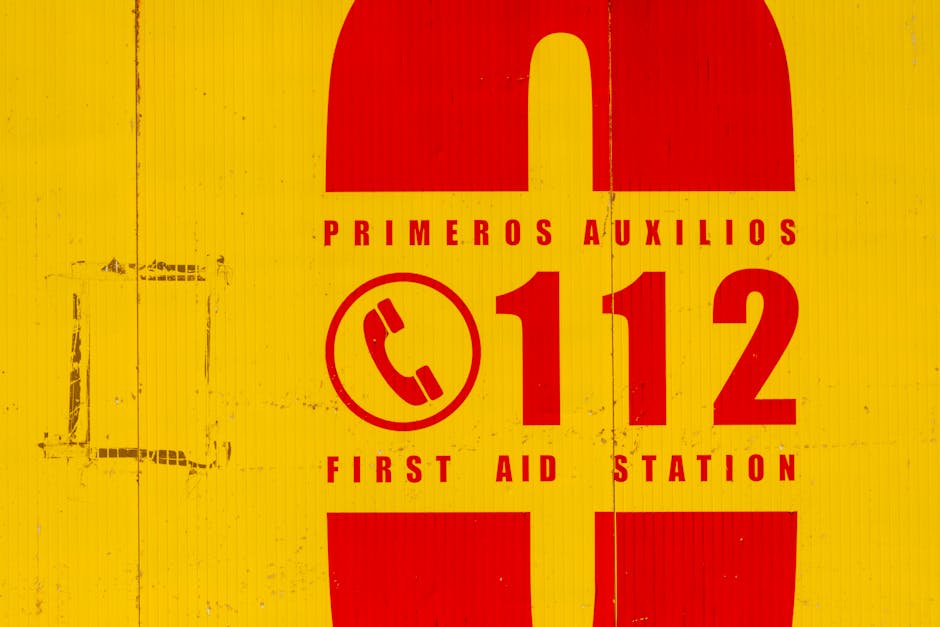
- 112 — European emergency number: ambulance, fire and police. Free from any phone. Call for life‑threatening situations or urgent transfers.
- Non‑urgent advice — for non‑urgent medical advice, contact your travel insurance or your insurer’s medical assistance line.
- EHIC — European Health Insurance Card: present it at public hospital reception to receive covered care.
If you’re hospitalized, always request a detailed invoice (fatura) to submit to your insurer. If language is a barrier, ask for an interpreter; most major emergency departments have English‑speaking staff, but this isn’t guaranteed outside bigger towns.
Practical tips, prevention and what to do after a tourist accident
Prevention is better than cure: here are concrete recommendations to reduce risks and act effectively if a problem arises.
Before you travel and while you’re there
- Insurance: buy health/travel insurance that covers repatriation, hospitalization and medical expenses. Check limits, deductibles and claim procedures.
- Medications and medical record: bring your regular medications in their original packaging, a translated prescription in English if possible, and a summary sheet with your allergies, chronic conditions and an emergency contact.
- Hydration and sun protection: in summer, dehydration is common — drink water regularly and protect yourself from the sun (SPF sunscreen, hat).
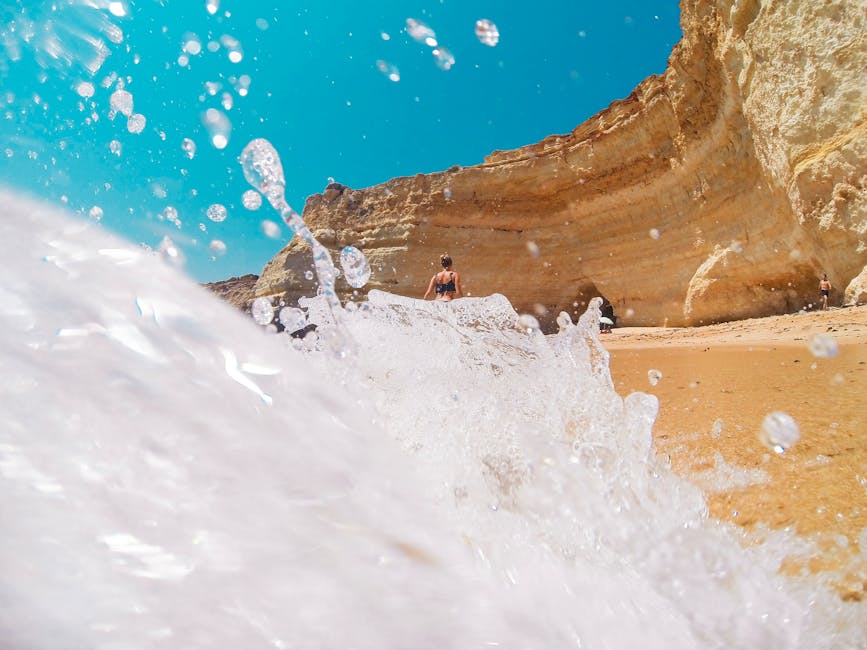
- Water activities: wear life jackets where recommended, watch for jellyfish and currents; learn the beach flag system (green, yellow, red).
For minor accidents
For a deep cut, clean the wound, apply pressure and head to a private clinic or centro de saúde. For a sprain, immobilize, apply ice, elevate and visit an emergency center if pain is severe or you can’t put weight on the foot. For insect stings or moderate allergic reactions, antihistamines and anti‑inflammatory cream may help; if breathing is affected, call 112 immediately.

For serious accidents
Call 112 as soon as possible. Give your exact location (name of the beach, a landmark, GPS coordinates if you can). Stay calm, follow the operator’s instructions, and don’t move a seriously injured person unless there’s an immediate danger. If an ambulance arrives, accept transport to the recommended hospital — the choice is made based on specialty and availability.
Conclusion — Be ready for emergencies in the Algarve: checklist and final recommendations
The Algarve has a comprehensive healthcare network spanning public hospitals (Faro, Portimão), private clinics and local health centers. To be ready in an emergency, take a proactive approach: buy suitable insurance, keep your EHIC if you’re an EU national, note local numbers (112 for emergencies), find out which pharmacy is on duty and memorize the address of the nearest hospital to where you’re staying. Public hospitals provide 24/7 emergency care, but waiting times can be long in high season; private clinics offer a quicker alternative, usually at a higher out‑of‑pocket cost.
Also consider practicalities: carry a copy of your ID or passport, a list of medications, English translations of your prescriptions, and emergency numbers for your insurer. If you’re driving, always have a first‑aid kit and a charged phone. For sports activities (surfing, hiking), stick to marked trails and follow local instructions: lifeguards, warning signs and flags are there to protect you.
Finally, communication matters. In an emergency, speak slowly in English, ask for an interpreter if needed, and keep all medical documents and invoices. This guide gives you the main points and practical information — but before you travel, confirm addresses, hours and prices with the relevant facilities. Being prepared lets you fully enjoy the Algarve while knowing where to go and what to do if the need arises.