





Introduction — Skip the Coast: Why the Algarve’s Inland Quintas Are Worth Your Time
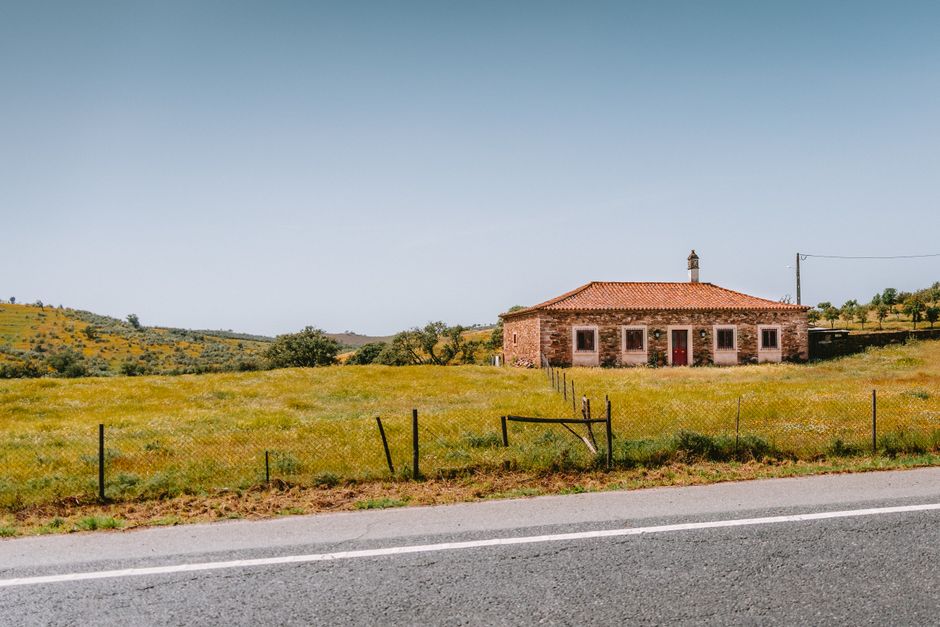
When you picture the Algarve, the automatic image is endless beaches, a sunset over golden cliffs and a crowded seaside promenade where people sip plastic sangria. It’s a powerful image, reinforced by years of tourist brochures and Instagram. But what most visitors don’t see — or choose to ignore — lies just a few kilometres inland: shady valleys, limestone villages, orange orchards and quintas that have turned traditional farming into cultural, culinary and sensory experiences. This piece isn’t an anti-beach rant; it’s a practical, reasoned invitation to rebalance your stay in the Algarve.
Why this counterpoint? Because the coast, while spectacular, is often overemphasized at the expense of a more authentic and sustainable discovery. Beaches give quick views, photogenic moments and queues for a sunbed. Inland quintas offer time: meetings with producers, slow tastings, walks through cultivated landscapes, and local stories that haven’t been edited for your feed. And crucially, they show a living Algarve, not just a backdrop.
This mini-guide will debunk a few myths (coast = best, inland = empty, rural activities = boring) and offer a concrete alternative: visiting specific quintas — including one detailed recommendation with address, opening times, prices and practical tips. It’s not about rejecting the sea, it’s about balance: swapping a crowded beach day for a day on a quinta will leave you with tangible memories, real flavours and the feeling of having met something genuine.
Throughout the article I’ll also share local tips (best months to visit, how to drive on interior roads, where to park, what shoes to wear), information on typical visit prices and durations, and an honest take on trade-offs (further from the sea, need for a car, shorter opening hours). The goal: help you decide whether to follow the crowd or dig a little deeper. If you’re tired of tourist scripts, read on: the Algarve’s interior deserves not only your attention but maybe most of your trip.
1. Why the coast is overrated — the limits of the beach offer
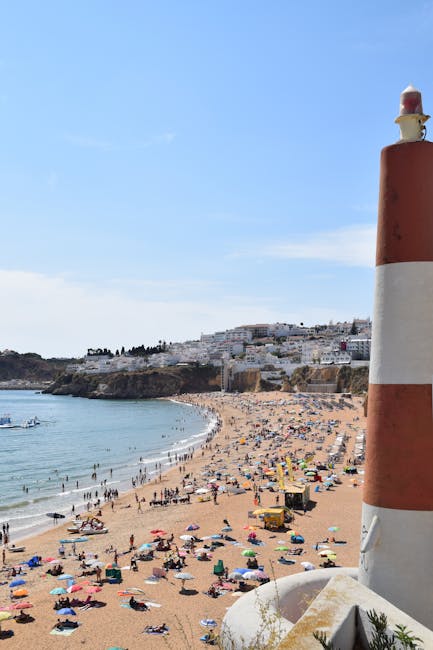
The Algarve coast is undeniably beautiful. Lagos, Albufeira, Praia da Marinha draw crowds for good reasons. But “beautiful” doesn’t always equal “best” for a travel experience. First, tourist density often turns beauty into waiting: congested roads, pay parking that fills up early, and beaches where finding a quiet spot becomes a hunt. In high season (June–September), some popular beaches are literally packed by 10 a.m. The scenery, however photogenic, loses its magic when it’s dotted with rows of identical umbrellas.
Second, the commercial offer has standardized many coastal experiences: the same seafood restaurants with similar menus, the same tourist bars, the same beach hawkers. Mass tourism has pushed things toward homogeneity; eating “local” can sometimes require a bit of digging. Third, the coast hides the other Algarve — the one of irrigated microclimates, olive groves, orchards and crafts that historically sustained the region. Staying only on the shoreline means missing the chance to hear those stories and taste the products that really define the place.
Finally, there’s a sustainability angle: spending more time inland, visiting quintas and paying for tastings or a rural night supports fairer incomes for local families than feeding the high-turnover seaside economy. Quintas often reinvest in land care, preserve old orchards and provide local jobs — benefits that are less visible when money circulates through international hotels and tour operators.
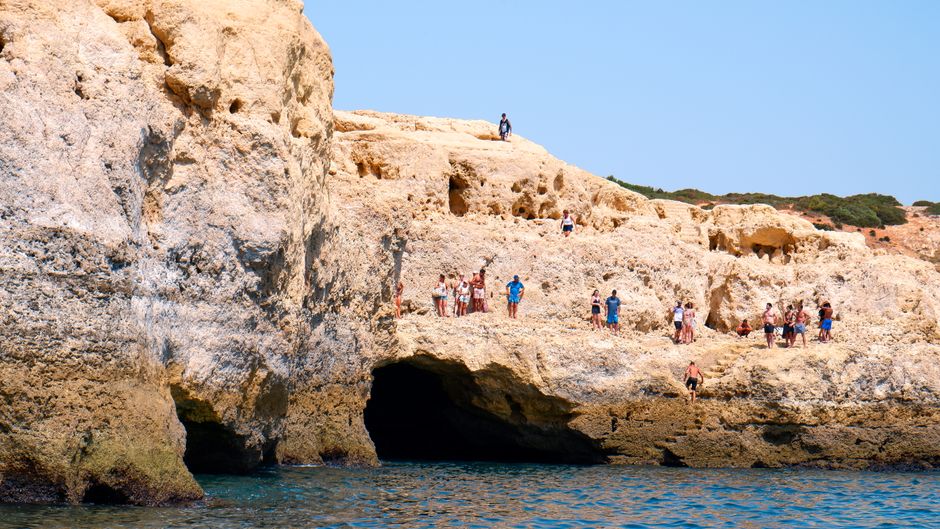
In short: the coast isn’t bad. It’s just partial. If you’re after immersion, slowness, encounters and sustainability, the interior valleys and their quintas often offer a better experience-value ratio than crowded beaches. This is not moralizing — it’s a pragmatic invitation to diversify your itinerary and get the most out of the Algarve.
2. What inland quintas actually offer — nature, culture and food
Quintas are farms, estates or agricultural properties typical of Portugal; in the Algarve they range from small family orchards to emerging wineries or rural houses turned into visitor spaces. Their value comes from a combination of elements: cultivated landscapes (olive trees, almond trees, orange groves), traditional know-how (distilling brandy, pressing oil), and a host approach that encourages conversation and slow tasting.
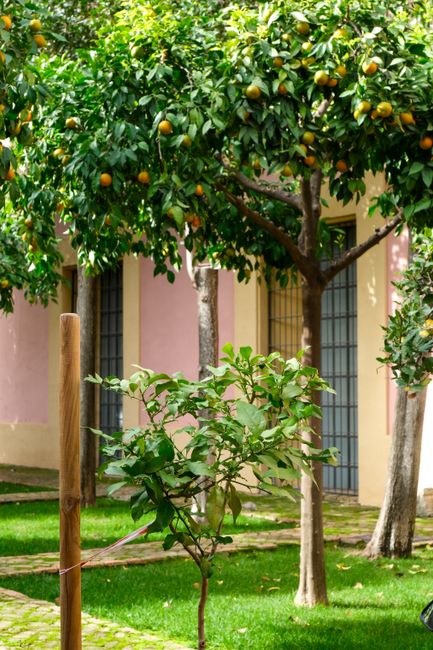
Visiting a quinta often includes:
- A guided walk through plantations where you learn about the trees’ cycles and water management.
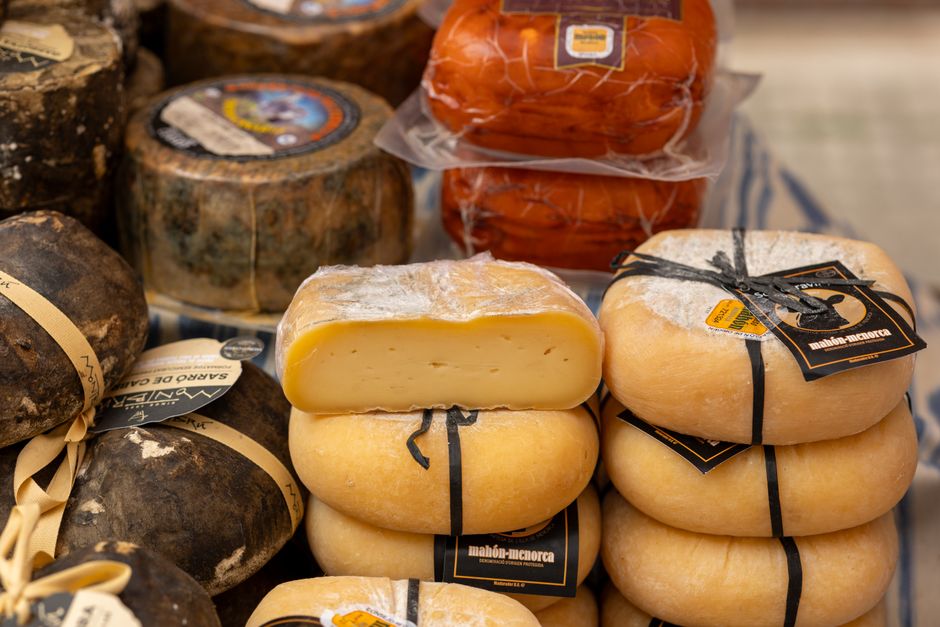
- Tastings of homemade products: olive oil, wine, local liqueurs, jams and artisan cheeses.
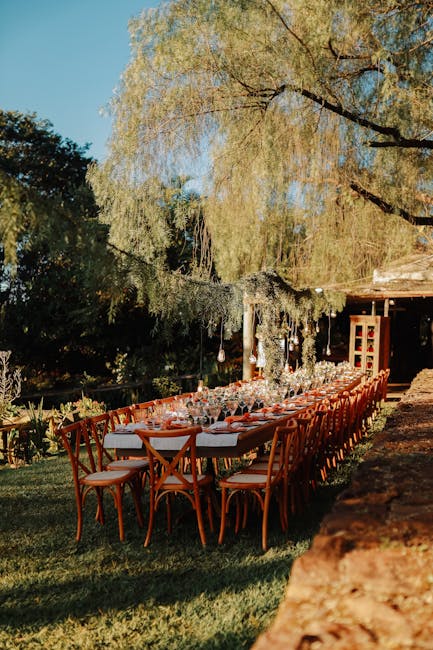
- A rustic lunch prepared with estate ingredients or produce from neighbouring farms, usually for small groups.
- The chance to buy direct — no middlemen — which is fairer for producers and guarantees freshness for you.
These experiences have an immersive quality that’s hard to replicate on the coast. They also deliver a different sensory palette: orange blossoms’ scent, the crunch of olive leaves underfoot, the texture of freshly pressed oil. For photography lovers, the interior offers gentle morning light, ever-changing landscape compositions and authentic portraits of people who live and work there.
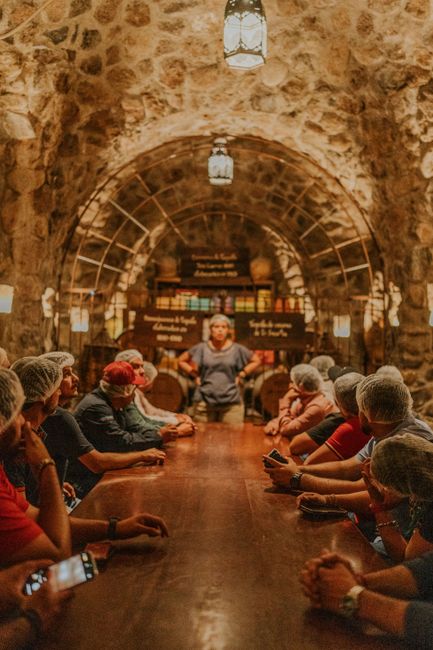
Practically speaking, quintas usually require reservations, have tighter opening hours (often 10:00–18:00, some closed Sundays or open by appointment only), and may limit visitor numbers per session. That format is precisely what creates the quality experience: no crowds, no conveyor-belt service, just human contact. Financially, expect to pay around €10–40 per person for a visit with tasting and a small snack, which is reasonable compared with crowded tourist restaurants where quality can be hit-or-miss.
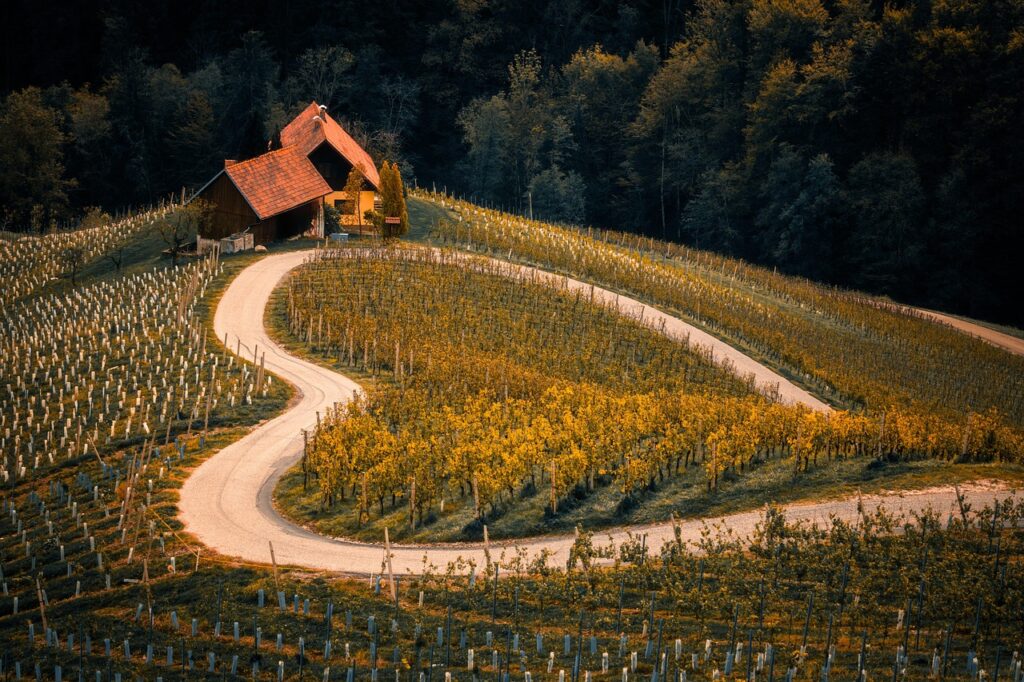
Ultimately, inland quintas reconcile tourism with local meaning: you don’t just look at a region, you participate — even modestly — in its upkeep and economy. They offer a sense of place that the coast, despite its beauty, can’t always convey.
3. A concrete, recommended alternative — Quinta dos Vales Wine & Art Centre
If you want a quintessential first experience, head to Quinta dos Vales Wine & Art Centre. This estate perfectly illustrates what the Algarve’s interior can offer: local wine, a contemporary art centre set in the countryside, and a hospitality model that’s structured without being industrial.
Name: Quinta dos Vales Wine & Art Centre
Address: Quinta dos Vales, EN125, 8400-505 Estômbar, Lagoa, Portugal
Opening hours: Tours and tastings daily by appointment; shop usually open 10:00–18:00 (confirm by phone or email before your visit).
Indicative prices: Cellar tour + tasting €20 per person (basic tasting), premium tasting €35 per person (includes food pairings), private tours or painting/tasting workshops from €60 per person or €180 for a small group (prices vary, book ahead).
Contact: +351 282 388 024 / [email protected] (booking strongly recommended)
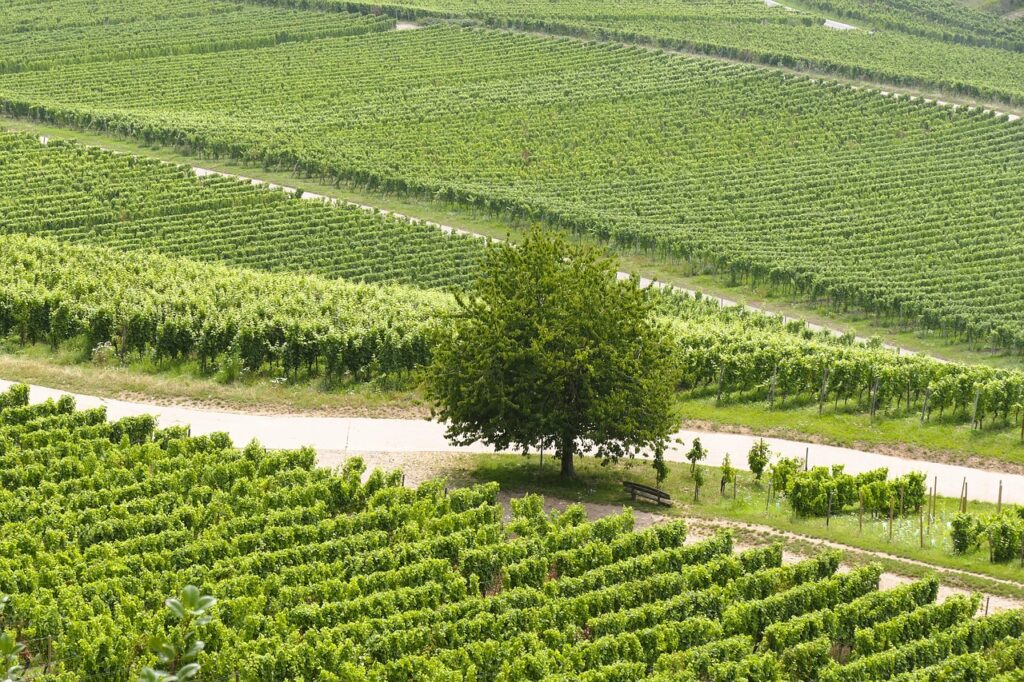
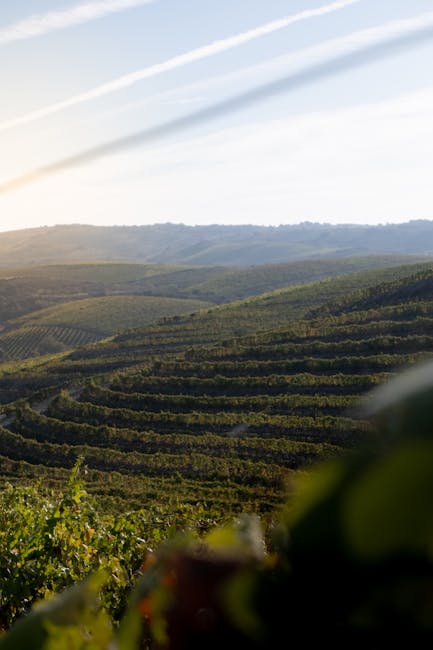
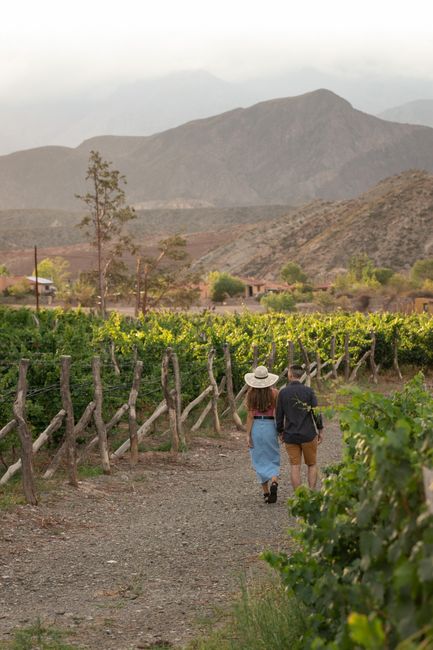
Quinta dos Vales isn’t just a winery; it’s a cultural microcosm. Beyond tastings, the estate hosts contemporary art exhibitions (permanent and temporary installations) that interact with the agricultural landscape. The guided walk takes you through the vineyards, the cellar and the open-air sculpture museum. The place is particularly lovely in late afternoon, when low sunlight sculpts the texture of stone and leaves.
Practical tips for the visit:
- Book at least 48 hours in advance, especially in July–August.
- Allow 1.5–2 hours for the standard tour + tasting; if you opt for lunch or a workshop, plan 3–4 hours.
- Arrive by car: the estate is 20–25 minutes from Portimão and Faro, with free parking on site.
- Bring a light jacket for evenings; even in summer the interior can be cooler than the beach.
- If you want to pair the visit with a village stop, grab a coffee in Estômbar (Praça da República) before you go.
Clear pricing and structured visits make Quinta dos Vales an excellent entry point for the undecided: you get a complete experience without improvisation. And if contemporary art isn’t your cup of tea, the wine quality and the estate’s charm are persuasive enough on their own.
4. How to plan an inland itinerary — logistics, seasons and local tips
Planning outings to quintas requires a few adjustments compared with a beach-focused trip. Here are practical points to consider to make the most of your time and money.
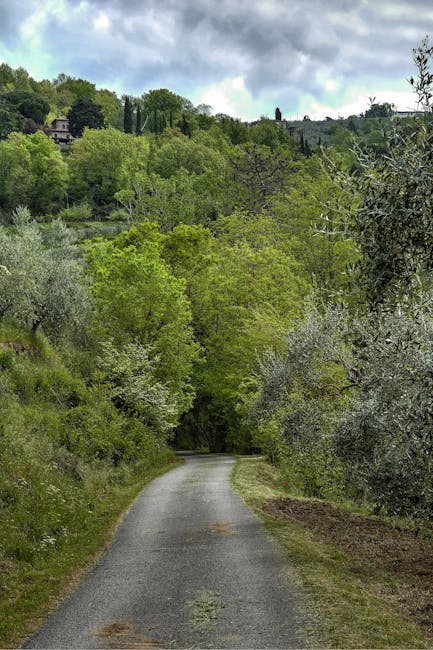
Transport: a car is almost essential to explore inland quintas. Roads are generally in good condition but can be narrow and winding. Rent a compact car — it’s easier to park in villages. In low season (November–March) some small businesses close; check that your insurance covers rural roads. If you don’t drive, look for private tours (some estates, like Quinta dos Vales, offer pickups from nearby towns) or book a taxi for the day (roughly €60–100 for a half-day locally, depending on distance).
Seasons: autumn (September–November) and spring (March–May) are ideal — mild temperatures, harvests and blooms, and fewer people. Summer can work but be mindful of peak heat and limited tour availability. In winter some quintas scale back tourist activities but continue agricultural work — it’s the most authentic season to see fieldwork if you’re happy with a rougher schedule.
Budget: plan €20–40 per person for a standard visit/tasting, €40–80 if you include a meal or workshop. Buy products on site (wine bottles €8–25, olive oil €6–20 depending on quality); it’s often cheaper and more authentic than tourist shops.
Local etiquette: quintas are working farms. Stay on marked paths, follow instructions during tastings (don’t touch vats without permission) and ask before photographing workers’ portraits. A bit of courtesy (a few Portuguese phrases: “bom dia”, “obrigado”) often opens more doors than any guidebook critique.
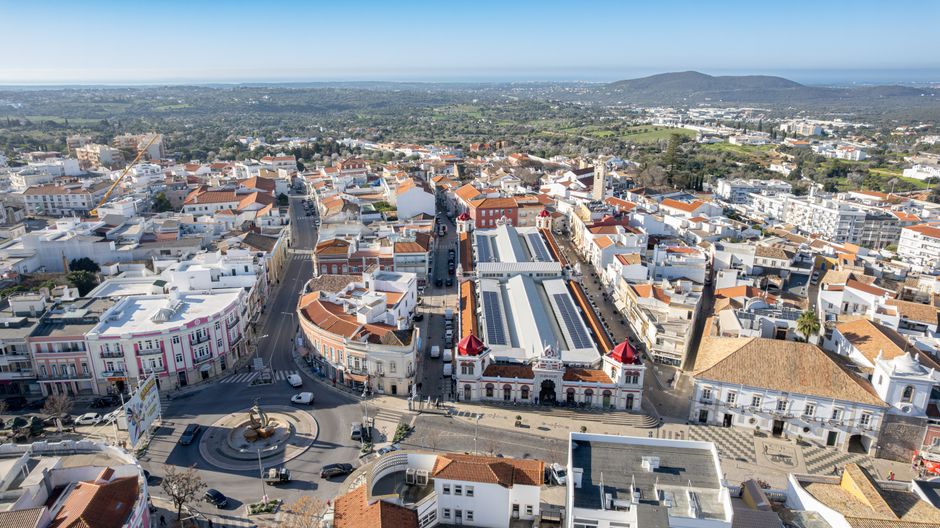
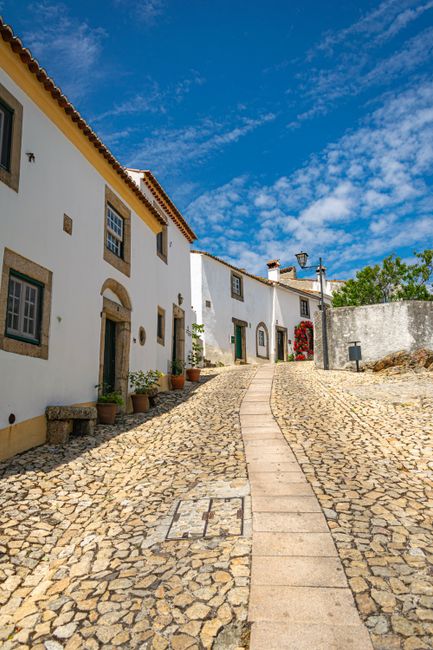
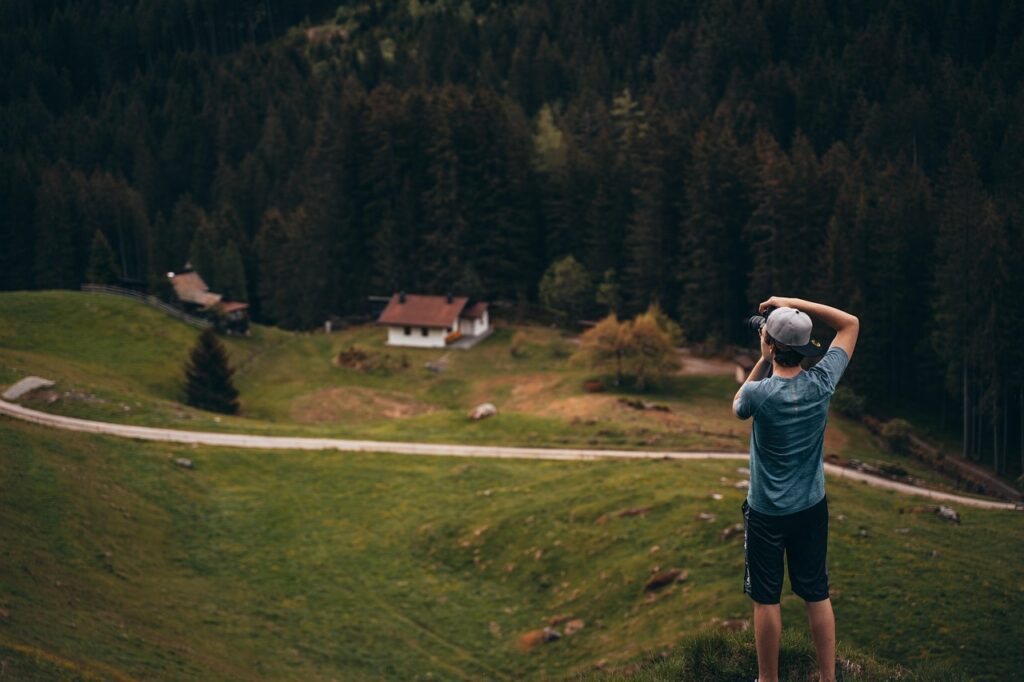
Smart combos: you can pair a morning at a quinta with lunch in an inland village (for example Alte or São Brás de Alportel) and an easy afternoon hike. For photographers, start early: the light is better and the estate is quieter. Notable villages for a quick stop include Estômbar, Silves (for its castle), Monchique (for mountain views) and Alte (for its well-preserved character).
In short, planning the interior takes a little more effort than booking a sunbed, but the payoff in authenticity and memorable experiences is well worth it.
Conclusion — Rebalance your trip: the sea for scenery, the interior for experience
To wrap up, the coastline’s appeal is easy to understand: it’s spectacular and instantly rewarding. But if you want to come home with more than pretty photos, strongly consider dedicating time to inland quintas. They deliver depth — culinary, cultural and human — that complements and enriches your beach time. Choosing an estate visit like Quinta dos Vales gives you a structured day filled with flavours and encounters, while directly supporting the local economy in a tangible, sustainable way.
Changing your itinerary isn’t a condemnation of the beach — it’s a choice about priorities. Instead of spending every day by the sea, imagine a trip where a few mornings are devoted to exploring quintas, where you leave with a bottle of wine bought directly from the maker, an olive oil that still smells of fresh-cut grass, and the memory of a chat with a farm owner. Those experiences stick with you longer than passive landscape consumption.
Next time you plan the Algarve, try this exercise: save the sea for one or two big moments — maybe a sunset at Ponta da Piedade — and treat yourself to at least a half-day, ideally a full day, inland. Book ahead (especially for places like Quinta dos Vales), bring your curiosity and let slowness replace the fast flow of attractions. You’ll discover an Algarve that works, creates and shares — and often, it’s better than the postcard.