





Introduction — Understanding Visas and Length of Stay Before You Arrive in the Algarve
The Algarve, Portugal’s southernmost region, is a dream destination for travelers seeking dramatic beaches, authentic fishing villages and generous cuisine. Before you map out your itinerary to Lagos, Faro, Portimão or Tavira, it’s essential to know the entry rules for Portugal: what visa you might need, how long you can stay without paperwork, and what steps to take if you want to extend your visit. This practical, detailed guide is written for tourists — whether you come from Europe, the Americas, Africa or Asia — and covers short stays (a few days up to three months) as well as longer stays (work, study, retirement).
We’ll walk you through the general Schengen rules that apply in Portugal, explain the most common visa types (Schengen short-stay C visa, national D visa for longer stays), outline the local administrative steps to take in the Algarve (where to go in Faro, addresses, opening hours, approximate costs), and share practical tips to avoid common mistakes. You’ll also find useful info about Faro Airport, rail stations, tourist police desks, tourist offices and the Serviço de Estrangeiros e Fronteiras (SEF) regionally, so you know exactly where to go if you need assistance.
This guide includes full addresses, indicative opening hours and prices in euros where possible. It also offers local tips for handling overstays, applying for a visa at a consulate, or simply enjoying a hassle-free trip while respecting the rules. Visa rules can change: this document provides a reliable summary, but you should always double-check the official Portuguese Ministry of Foreign Affairs website or consult the Portuguese consulate/embassy in your country before you travel.
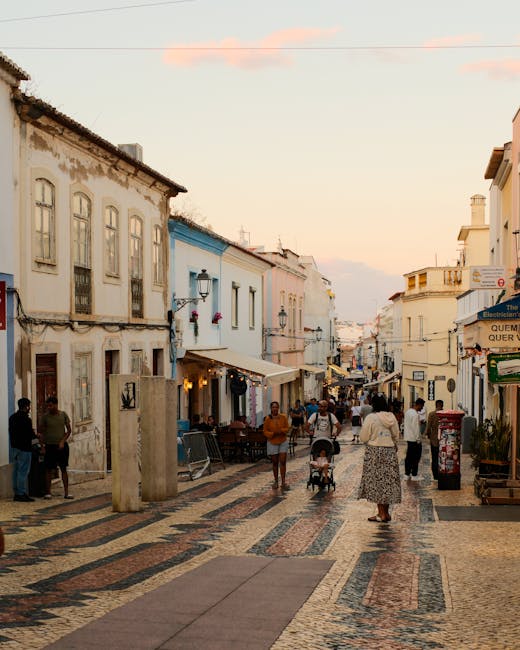
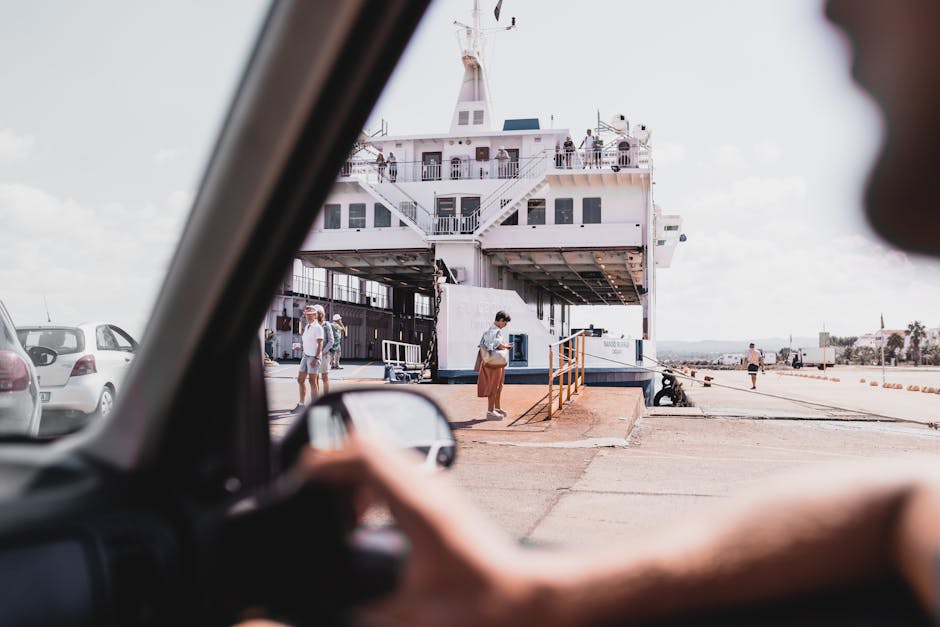
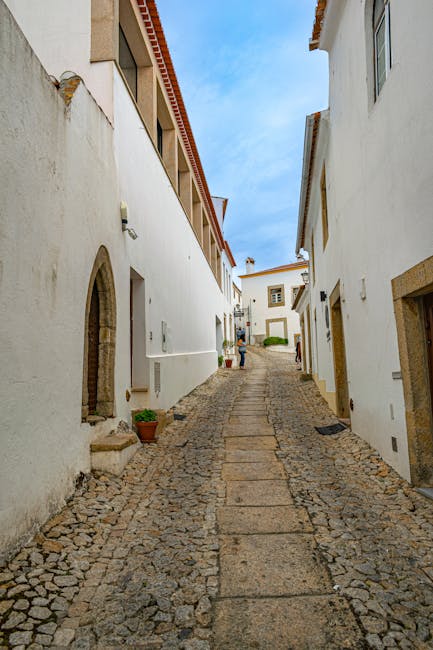
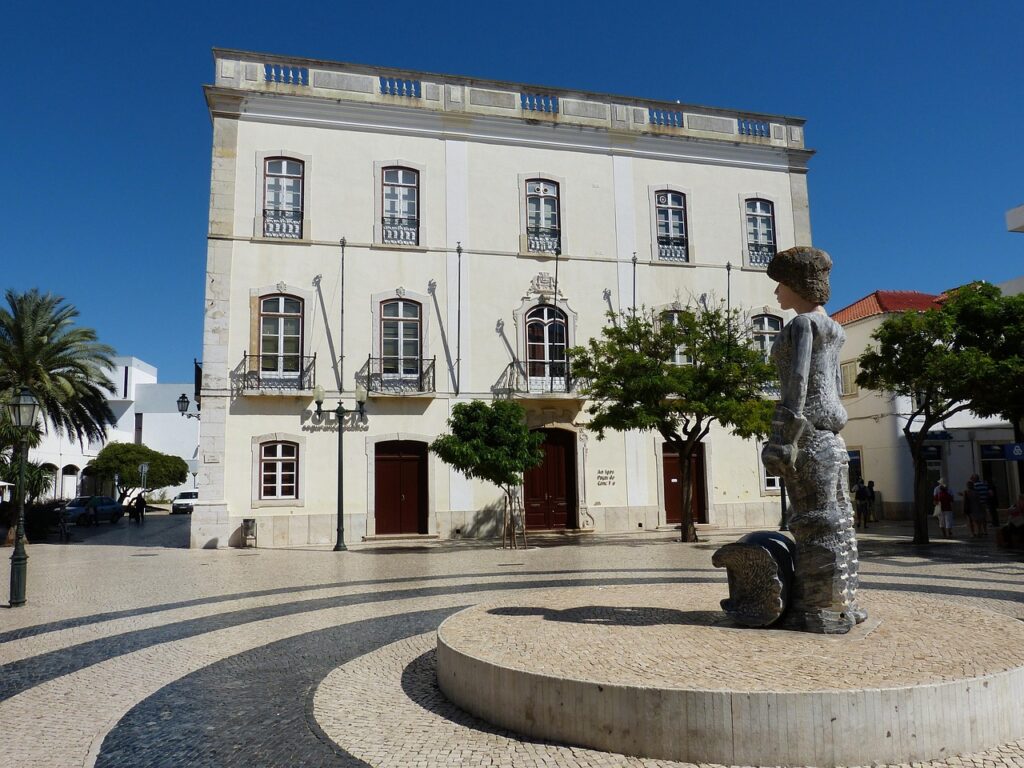
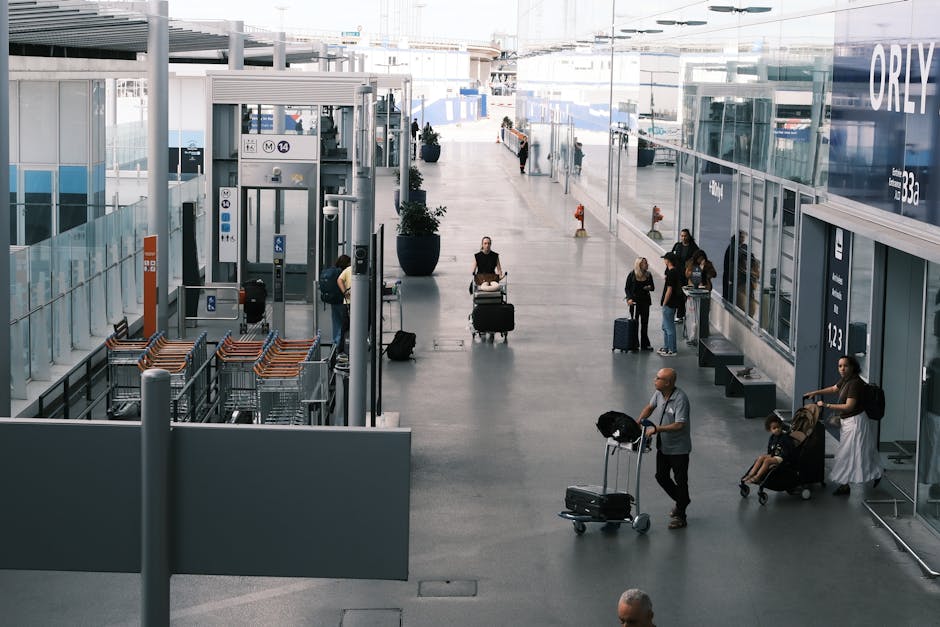
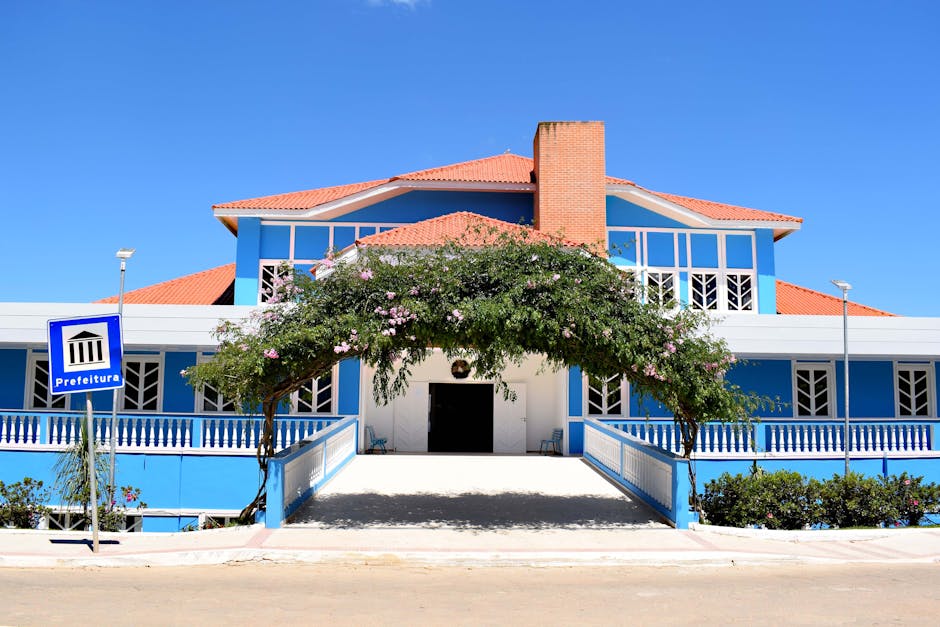
To help you visualize, we’ve included visual references ( ) showing typical Algarve scenes (airports, beaches, stations, tourist offices). These cues can help you recognize facilities on arrival and plan your movements. Let’s start with the most important rule for non-resident tourists: the 90/180-day rule.
1. General Entry Rules: the Schengen 90/180 Rule and Who It Applies To
Portugal is part of the Schengen Area. For visitors who are not EU nationals, the key rule to understand is the 90 days in any 180-day period rule. In short: if you don’t hold a Portuguese residence permit or a national visa (type D), you can stay in the Schengen Area, including Portugal, for up to 90 days total within any 180-day period.
Practical examples:
- If you arrive in the Algarve on May 1 and stay 30 days, then return on August 1 for another 60 days, you will have reached 90 days and must wait another 90 days before returning visa-free.
- The calculation is rolling: at each new entry, authorities look back over the previous 180 days and count how many days you spent in the Schengen Area. Online tools exist to do this automatically (search for « Schengen calculator »).
Who does this rule apply to?
- Citizens of the European Union, the European Economic Area (Iceland, Norway, Liechtenstein) and Switzerland: no visa required to enter and stay. However, if you plan to stay more than three months, it’s recommended (and often necessary) to register with the Guarda Nacional Republicana or the Loja do Cidadão to obtain a residence card if you intend to work or settle permanently.
- Citizens of countries with Schengen visa exemption (United States, Canada, Japan, Australia, etc.): no visa needed for tourism stays up to 90 days in any 180-day period.
- Citizens of countries that require a Schengen visa: must obtain a Schengen (type C) visa from the Portuguese consulate, typically costing around €80 for an adult. Reduced rates apply for children aged 6–12 (around €40), and it’s free for children under 6. Fees may vary slightly depending on the country and the consulate’s currency.
Practical points to remember:
- Keep a copy of your return ticket or onward travel plan, and proof of accommodation (hotel booking, host address): border officers may request these upon entry.
- Travel insurance: medical and repatriation coverage is strongly recommended, and often required for Schengen visa applications.
- Proof of sufficient funds: bring evidence of financial means (bank cards, cash, bank statements) to cover your stay. The amount considered « sufficient » varies, but plan for several hundred euros per month in addition to prepaid bookings.
2. Visas for Tourist Stays and Pre-Travel Procedures
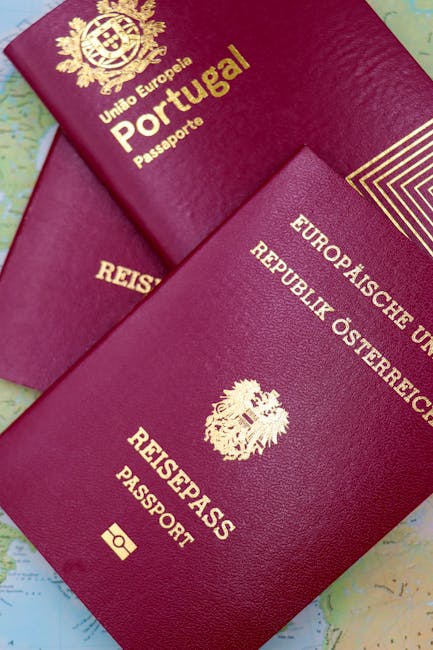
For a typical tourist stay in the Algarve (a few days up to 90 days), most travelers won’t need a visa if their country benefits from Schengen exemption. For others, here’s the general process to obtain a Schengen short-stay (type C) visa issued by the Portuguese consulate or representation:
- Gather documents: passport valid at least three months beyond the planned departure date from the Schengen Area, completed application form, recent passport photo, round-trip flight reservation, proof of accommodation (hotel booking or invitation letter), travel insurance covering at least €30,000 for medical expenses and repatriation, proof of financial means.
- Book an appointment: schedule an appointment at the Portuguese consulate or a visa application center (VFS Global in many countries). Processing times vary: allow at least 15 working days, and preferably 4–6 weeks in high season.
- Fees: roughly €80 for an adult short-stay visa (2024 indicative rate). Some countries charge additional service fees.
- Biometric interview: in-person attendance is required for fingerprints and photographs.
Local tips for Algarve visitors:
- If you plan to arrive via Faro Airport (Aeroporto de Faro, 8000-078 Faro, Portugal), align your arrival time with your consulate’s opening hours in case an extra document is requested. The airport has car rental desks and currency exchange booths — prefer ATM withdrawals for better rates.
- In high season (June–September), consulates and VFS centers can have limited appointment slots: book several weeks ahead.
- If you’re already in Portugal and need to extend your stay beyond 90 days, contact SEF (Serviço de Estrangeiros e Fronteiras) as early as possible to find out the required steps and avoid falling into an irregular situation.
3. Staying More Than 90 Days: National Visas, Certificates and Steps in the Algarve
If you plan to stay in the Algarve for longer than 90 days (study, work, family reunification, retirement or long-term tourism), you’ll need a national visa (type D) issued by a Portuguese consulate before entering Portugal or a residence authorization issued by SEF once you’re in the country, depending on your situation. Here are the main steps and useful Algarve contacts to complete these procedures:
- Applying for a national (type D) visa: this visa is requested at the Portuguese consulate in your home country before departure. Common reasons include work (employment contract), study (university enrollment), family reunification (proof of family ties) or retirement (proof of sufficient resources). Fees vary by visa type; expect administrative costs around €50–90, depending on the category.
- SEF (Serviço de Estrangeiros e Fronteiras) — local assistance: in the Algarve, the regional contact point for in-country formalities is usually the regional directorate or local counters. Example contact: Serviço de Estrangeiros e Fronteiras (SEF) – Unidade Local de Faro, Rua do Alportel 11, 8000-139 Faro (indicative hours: Monday–Friday 09:00–16:00). For specific applications, check the official site sef.pt and book an appointment online.
- Loja do Cidadão / Câmara Municipal: for EU/EEA nationals, residence registration is often handled at the Loja do Cidadão Faro, Praça Dom Francisco Gomes, 8000-168 Faro (hours: Mon–Fri 09:00–16:30). For address changes, municipal registration or to obtain a tax number (NIF) needed for rental or opening a bank account, visit the Câmara Municipal de Faro, Praça de Dom Afonso III, 8000-168 Faro.
Costs and timing:
- Initial residence application (SEF): fees vary, but as a ballpark figure for 2023–2024 the first residence card was around €75–100 (check by category). Processing times range from a few weeks to several months depending on case complexity and appointment availability.
- Getting a NIF (Número de Identificação Fiscal): usually free at most Tax Office branches but requires in-person presence and an ID and proof of address. A NIF is essential for renting, getting a SIM card or opening a bank account.
Very practical local tips:
- Plan ahead: book SEF appointments as early as you can, since summer slots fill up quickly. Keep digital copies of your documents to speed up booking and email submissions.
- Use the Loja do Cidadão to combine several procedures (NIF, social security, health) — this can save trips. Useful address: Loja do Cidadão Lagoa, Rua Conselheiro Almeida Santos 12, 8400-176 Lagoa.
- For long-term housing searches, start with local agencies in Faro (e.g. Imobiliária Faro – Rua de São Miguel 22, 8000-241 Faro) and always insist on a written contract and a formal inventory report.
4. On Arrival in the Algarve: Contact Points, Practical Addresses and Local Costs
Once you arrive in the Algarve, several local contacts may be useful: the airport, train stations, post offices, police stations and tourist offices. Here’s a detailed list of concrete locations, addresses, hours and indicative costs to help you get oriented quickly:
- Faro Airport — Aeroporto de Faro, 8000-078 Faro, Portugal. Hours: terminal open 24/7, car rental desks typically 07:00–23:00 in high season. Airport–city shuttle (Linha 16/15 bus): about €4–€6 per trip. Taxis operate 24/7 (taxi to Faro center: ~€10–15; to Lagos: ~€60–80). Car rental: fuel deposits and extra insurance charged by agency (budget ~€20–40 per day for a small car off-season).
- Portimão Train Station (Estação Ferroviária de Portimão) — Estação Ferroviária de Portimão, Rua Comandante Marques, 8500-742 Portimão. Ticket office hours: Mon–Fri 07:00–19:00; Sat 09:00–13:00 (seasonal variations). Regional train Portimão–Faro: roughly €6–€10 depending on class and time.
- Lagos Tourist Office — Posto de Turismo de Lagos, Largo da Porta de Portugal 1, 8600-645 Lagos. Hours: daily in summer 09:00–19:00, off-season Mon–Sat 09:00–17:00. Free maps and advice; boat trip bookings (Ponta da Piedade caves) run 45–60 minutes and cost about €20–35 per person depending on the operator.
- Tavira Tourist Office — Posto de Turismo de Tavira, Rua Dr. Jorge Carrasco 4, 8800-307 Tavira. Hours: Mon–Sun 09:00–18:00 in high season. Info on the islands (Ilha de Tavira), boat rentals and crossings: Ilha de Tavira ferry ticket ~€2–4 one-way.
- Tourist Police Station (PSP) — Faro — Polícia de Segurança Pública, Avenida da República 51, 8000-078 Faro. Hours: main station open 24/7 to report incidents. For lost documents, file a loss report (« participação ») — you’ll need it for administrative procedures or to replace your passport at your embassy.
Practical advice:
- Keep receipts and the loss report if you need to contact your embassy for a travel document. Embassies are often based in Lisbon: plan for travel or remote requests.
- For tax matters or obtaining a local NIF, the Finanças (Tax Authority) office in Faro (Rua Vasco da Gama 82, 8000-444 Faro) is open on weekdays and often requires an appointment for complex requests.
- In high season, plan transfers between major beaches (Praia da Rocha, Benagil, Praia da Marinha) and book boat trips in advance: prices vary (~€25–45) and tours fill up quickly.

5. What to Do If You Overstay or Face Administrative Problems in the Algarve
Overstaying your permitted period can have serious consequences: fines, entry bans to the Schengen Area, or removal procedures. If you realize you have overstayed or are about to, act right away:
- Contact SEF (Serviço de Estrangeiros e Fronteiras) as soon as possible to explain your situation. Regional contact example: SEF Direção Regional do Algarve, Rua de São Francisco 18, 8000-123 Faro. Hours: Mon–Fri 09:00–16:00 (appointments recommended). Provide a factual explanation and supporting evidence (tickets, medical documents, employer letter if relevant).
- Get a medical certificate: if the extension is due to illness, obtain an official medical certificate immediately (hospital or health center). Local hospitals: Hospital de Faro, Estrada das Laranjeiras, 8001-701 Faro — emergency open 24/7. Medical costs for non-residents vary; travel insurance may cover much of it.
- Regularization and fines: depending on seriousness, SEF may impose an administrative fine (from a few dozen to several hundred euros) or initiate removal procedures. Show good faith and follow official steps if you left the country irregularly — contacting your consulate is crucial.
Concrete advice:
- Don’t panic: most involuntary overstays (delayed flights, medical emergencies) are handled sympathetically if you provide prompt evidence.
- Always keep digital copies of travel documents and bookings (cloud, email accessible abroad) so you can quickly present proof to SEF or local authorities.
- If unsure about your status, consult an immigration lawyer in Portugal: many law firms in Faro offer consultations (indicative fee ~€50–150 per consultation depending on complexity).
Conclusion — Travel the Algarve with Confidence: Check, Plan, Enjoy
In short, the Algarve is welcoming and accessible, but administrative preparation is key. The 90/180-day Schengen rule is the foundation for short visits; national visas (type D) and residence authorizations are required for longer stays. Before you leave, check visa requirements with the Portuguese consulate in your country, book appointments early and get adequate travel insurance.
On arrival, Faro Airport (Aeroporto de Faro, 8000-078 Faro) and local tourist offices (Lagos Tourist Office, Largo da Porta de Portugal 1, 8600-645 Lagos; Tavira Tourist Office, Rua Dr. Jorge Carrasco 4, 8800-307 Tavira) are helpful for first-time orientation. For longer administrative procedures, SEF and the Loja do Cidadão in Faro are the essential contact points. Always keep paper and digital copies of your documents, save your embassy’s contact details and plan travel logistics in high season.
Finally, a few local tips to make the most of your stay: try seafood cataplana in Vila Real de Santo António, prebook trips to Benagil cave and the Ria Formosa islands, and leave time to explore inland villages like Monchique and Silves. The Algarve is a safe and beautiful destination for tourists as long as you follow the entry and stay rules. For complex administrative issues, don’t hesitate to contact SEF or an immigration lawyer. Have a great trip and enjoy the golden sunsets over the Algarve cliffs!