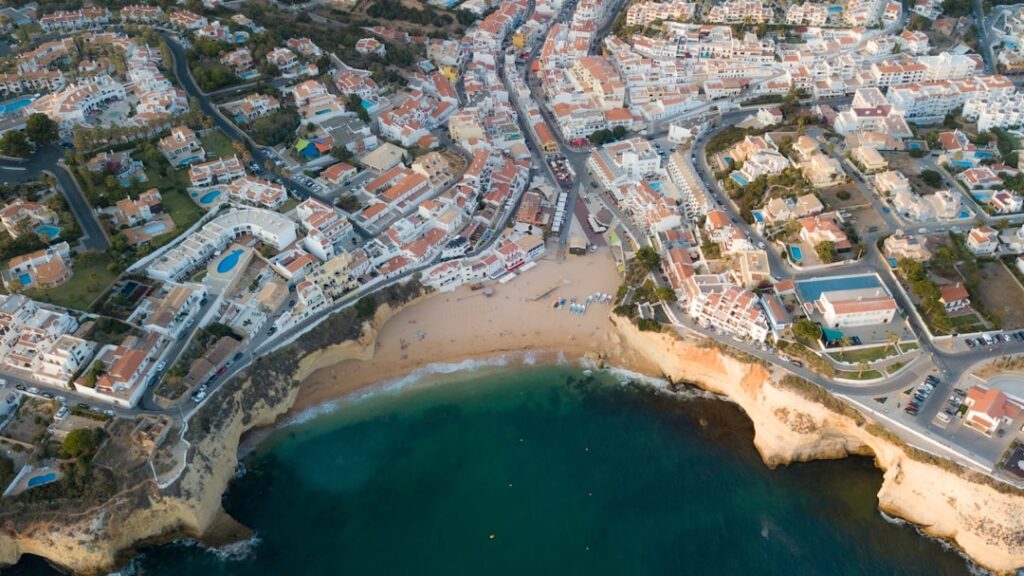






Introduction — Why a dedicated first-aid kit for the Algarve?
The Algarve, Portugal’s southernmost region, is famous for golden cliffs, wide sandy beaches, sleepy fishing villages and bright Mediterranean weather. Whether you’re staying in Faro, Lagos or Albufeira — or road-tripping along the N125 — it’s smart to bring a well-stocked first-aid kit tailored to the coast, strong sun, water sports and coastal hikes. The ideal Algarve kit isn’t just for cuts and blisters; it should also cover stings, sunstroke, sunburn, marine animal bites, and minor injuries from water sports (surfing, kayaking, freediving).
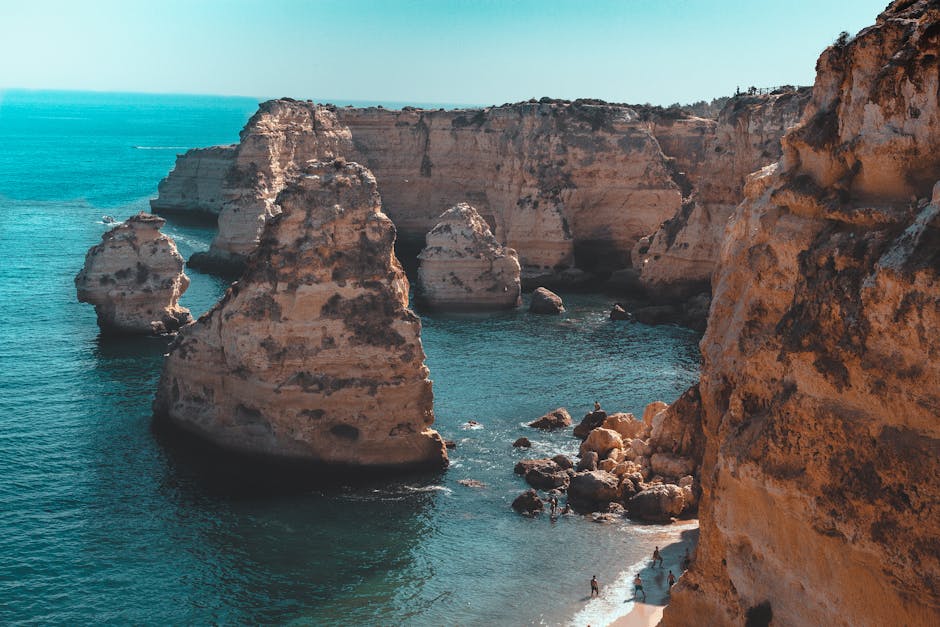
The Algarve gets very busy in summer: beaches like Praia da Rocha in Portimão, Praia Dona Ana in Lagos and Praia da Marinha in Lagoa can fill up fast, and you may be far from help. A good kit lets you act quickly, stop a problem getting worse and buy time before you reach a pharmacy or medical center. Small islands and the lagoons of the Ria Formosa Natural Park also often require you to be self-sufficient for a few hours.
This guide lists essential contents, recommended products with approximate prices in euros, where to buy them (full names, exact addresses, opening hours), and local tips on proper use. You’ll also find info on main medical facilities — for example, Hospital de Faro (Avenida da Igreja, 8000-295 Faro) or Farmácia Central de Albufeira (Rua 5 de Outubro 2, 8200-082 Albufeira), with typical hours and services. We include low-cost options available at local supermarkets like Continente and Pingo Doce, and recommendations for van-lifers and families.
A well-designed kit should be lightweight, waterproof and well organized: label compartments, store meds by expiry date and adapt quantities to the length of your stay. Above all, follow local emergency rules: in a serious emergency dial the European emergency number 112. This guide prepares you for everything, from a blister dressing after a hike on Ponta da Piedade to an after-sun gel to soothe a minor sunburn from a day at Praia da Falésia.
Basic essentials: plasters, disinfection, and immediate care
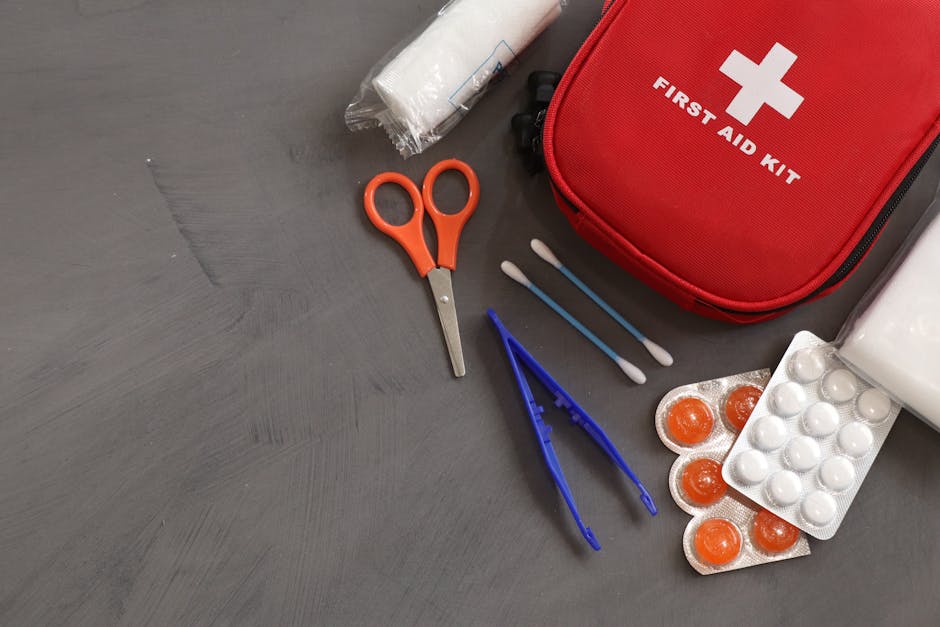
The first minutes after an injury matter. A perfect Algarve first-aid kit needs products to clean, protect and immobilize minor wounds. Below is a detailed list with buying recommendations, approximate prices and where to find them locally.
- Adhesive plasters: assortment of sizes (1×2 cm, 2×5 cm, waterproof plasters). Price: around €2.50–€5.00 for a box of 20–30. Where: Farmácia Central de Faro, Avenida da Igreja 6, 8000-295 Faro — hours 08:30–20:00 weekdays, 09:00–13:00 Saturday.
- Sterile dressings 10×10 cm: packs of 10 to clean and cover wounds. Price: ~€3.00 per pack. Available at Continente Algarve (e.g. Continente Bom Dia, Avenida 5 de Outubro 45, 8000-420 Faro), open 08:00–22:00.
- Medical adhesive tape: roll 2.5 cm × 5 m, ~€1.50–€3.00. Useful for securing dressings and plasters. Where: Pingo Doce, Rua Infante D. Henrique 29, 8700-336 Olhão, open 08:00–22:00.
- Nitrile disposable gloves: box of 50, €5–€10. Essential for hygiene. Buy at pharmacies or large grocery stores.
- Antiseptic: chlorhexidine solution or povidone-iodine (Betadine). Bottle 100–200 ml, €3–€7. Example: Farmácia Ataíde, Rua Infante D. Henrique 53, 8600-315 Lagos, hours 09:00–19:00.
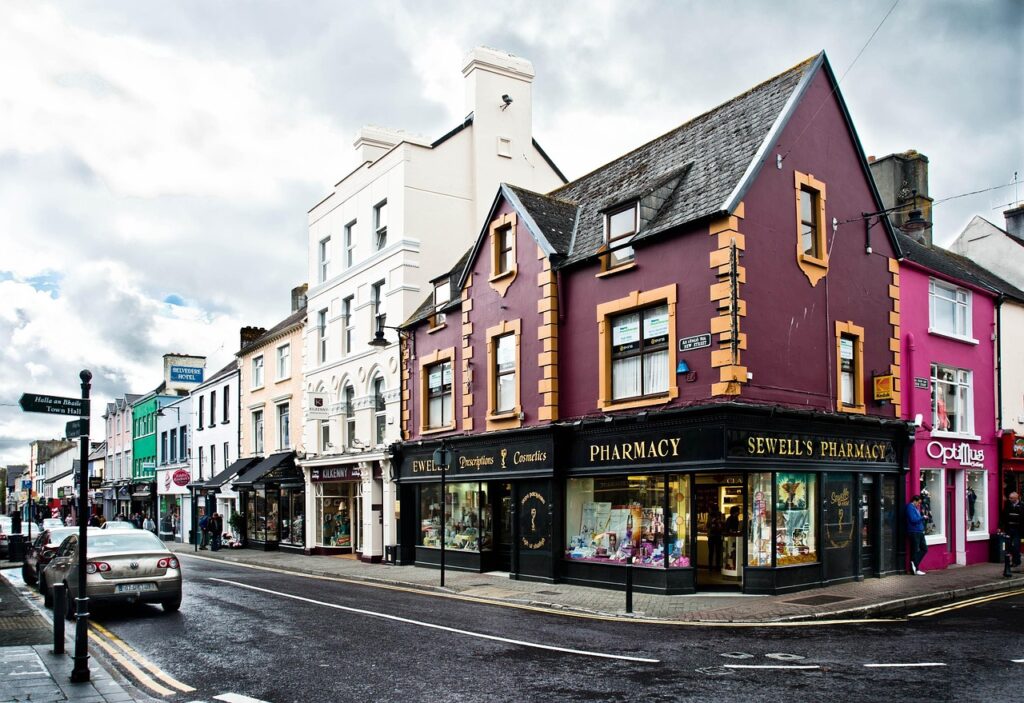
- Sterile syringe and alcohol wipes: for targeted cleaning, ~€2–€4 per box.
Usage tips: always rinse a wound with clean water if available, then apply an antiseptic. For cuts on the beach, remove sand before applying a dressing. Waterproof plasters are handy for immediate swimming, but change them after 24 hours to avoid trapped moisture and infection.
Sun protection, marine stings and insect bites: specialized products
The Algarve sun is strong, especially from June to September. Heatstroke and sunburn are common. Jellyfish sometimes show up and dunes can harbor insects. A well-equipped kit should therefore include sunscreens, after-sun, antihistamines and products for stings.
- SPF 50 sunscreen: 100 ml tube, €8–€18. Prefer water-resistant formulas. Available at pharmacies and supermarkets. Example: Pharmácia S. João, Rua António Rosa 14, 8600-315 Lagos, hours 09:00–13:00 and 15:00–19:00.
- After-sun gel with aloe vera: 200 ml, €5–€12. Useful to soothe minor burns. e.g. Continente — available across big stores in the Algarve.
- Topical insect bite cream or spray: cortisone-based or topical antihistamine products, €4–€10.
- Oral antihistamines: loratadine 10 mg, box of 10, €2–€6. Good for minor allergic reactions to bites.
- Jellyfish sting spray: vinegar or specially formulated solution (5% vinegar is recommended for some species). Bottle of vinegar: €1–€2. Local pharmacies may sell specific kits — check at Farmácia Central de Albufeira, Rua 1.º de Maio 3, 8200-001 Albufeira, hours 09:00–20:00.
- Digital thermometer: €5–€15, useful to monitor fever after an infected sting or local infection.
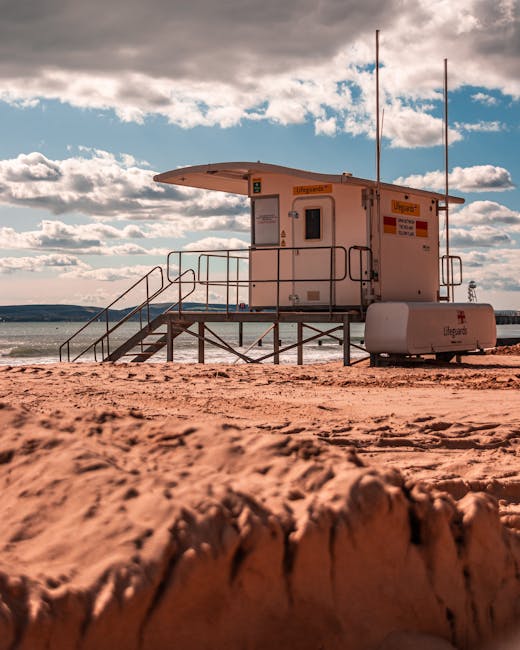
Local advice: for a jellyfish sting, do not apply fresh water (it can trigger more stinging cells), rinse with seawater and apply vinegar if recommended for the species in the area. For heatstroke, move the person into shade, cool with tepid water, hydrate, and if there’s no improvement or if consciousness is impaired call 112. Know the lifeguard stations (e.g. lifeguard post Praia da Rocha, Avenida Tomás Cabreira, 8500-802 Portimão — seasonal coverage and hours vary) when you head to the beach. 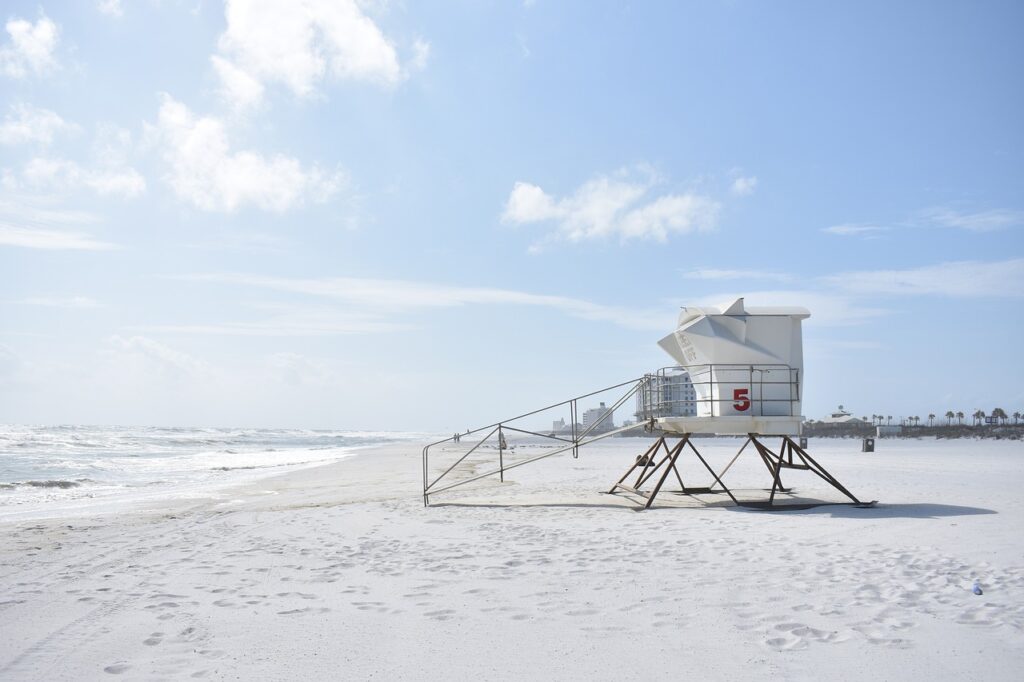
Medications, tools and gear for water sports and hiking
The Algarve attracts hikers (Ponta da Piedade, Rota Vicentina) and water-sport fans (surfing in Sagres, diving in Lagos). An ideal kit includes basic meds, tools and equipment to immobilize, protect and relieve.
- Painkillers / anti-inflammatories: paracetamol 500 mg (box of 20) ~€2–€4, ibuprofen 400 mg (box of 20) ~€3–€6. Available at Farmácia Central de Portimão, Rua Conselheiro Bivar 62, 8500-180 Portimão, hours 09:00–19:00 (closed 13:00–14:30).
- Topical antibiotic cream (fusidic or mupirocin): small tube €4–€10, sold in pharmacies and may require a prescription depending on local rules.
- Triangular bandage and soft splint: useful for sprains or twists on a hike. Triangular bandage ~€1–€3, soft splint €10–€20.
- First-aid scissors and tweezers: ~€3–€7. Handy for removing splinters or cutting fabric.
- Headlamp or small torch: €5–€20, essential for returning after sunset on coastal paths (take care at Ponta da Piedade at dusk). Example: Decathlon Portimão, Rua Comandante Daniel de Carvalho 10, 8500-123 Portimão, open 09:30–20:00.
- Sterile eye wash / saline: 100 ml, €2–€5, to rinse eyes after contact with sand, salt or chemicals.
- Anti-diarrheal prophylaxis: loperamide box of 6, ~€3–€6, and oral rehydration sachets, ~€1–€3 per sachet. Useful after food poisoning or a short bout of gastroenteritis while traveling. Buy at the pharmacy.
Practical tips: for sea outings (kayak, paddleboard), keep a compact first-aid kit in a waterproof pouch, bring a survival blanket (€3–€6) and a charged radio or phone with a power bank. If hiking the Rota Vicentina or Ponta da Piedade, always carry enough water (at least 2 liters per person), rehydration sachets and proper footwear to avoid blisters and sprains. Divers should pack waterproof plasters and an antiseptic cream for small cuts from rocks or marine life.
Where to buy, emergency contacts and 24-hour pharmacies
Knowing where to quickly get supplies and who to call in an emergency is vital. The Algarve has a network of pharmacies, private clinics and public hospitals; note the addresses and opening hours below.
- Hospital de Faro — Avenida da Igreja 13, 8000-295 Faro. Emergency department 24/7. Phone: +351 289 800 000. Cost: public emergency care is covered by the SNS for residents; visitors should check travel insurance; private consultations are available at associated clinics with varying fees.
- Hospital Particular de Algarve (Clínica de Portimão) — Rua Dr. Fernando Cabrita 40, 8500-815 Portimão. Emergency 24/7. Tel: +351 282 482 000. Private consultation fees: around €50–€120 depending on the service.
- Farmácia Central de Faro — Avenida da Igreja 6, 8000-295 Faro. Usual hours 08:30–20:00; night and Sunday on-call service is indicated on the door — check local board.
- Farmácia Central de Albufeira — Rua 1.º de Maio 3, 8200-001 Albufeira. Hours 09:00–20:00, some extended hours in high season. Tel: +351 289 589 900.
- 24h Pharmacy – Olhão — Praça da República 10, 8700-278 Olhão. On-call 24h some days; call +351 289 700 111 to confirm.
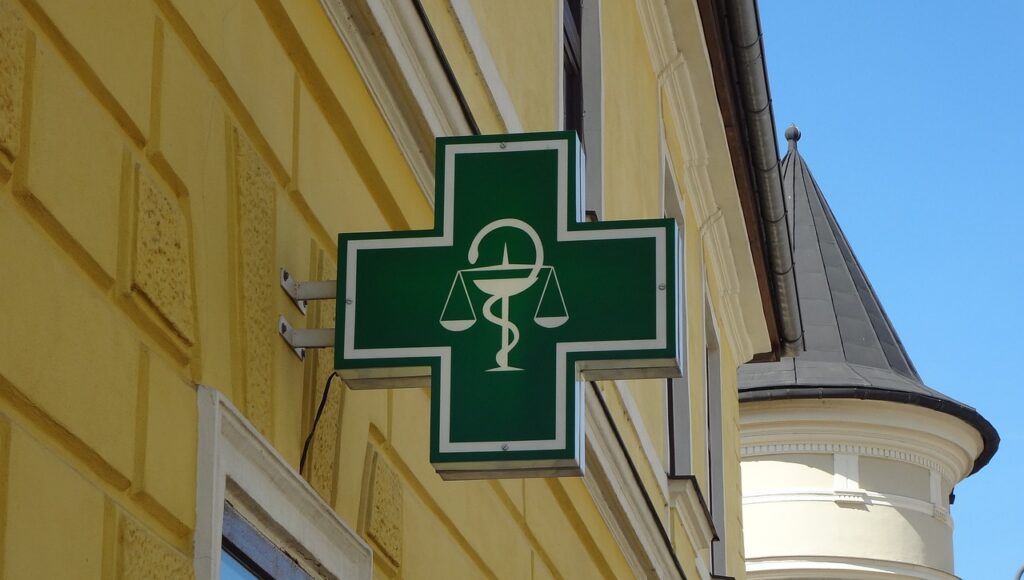
Buying tips: big chains like Continente and Pingo Doce sell basics (plasters, paracetamol, sunscreen) often cheaper than pharmacies, but for topical antibiotics, prescription antihistamines or specific preparations head to a pharmacy. Pharmacies display a “Farmácia de Serviço” sign to indicate the on-duty pharmacy at night. For life-threatening emergencies dial 112; for non-urgent injuries, start with the pharmacy — pharmacists give free advice and can direct you to the nearest urgent care.

Local tips, packing and pre-trip preparation
To get the most from your kit in the Algarve, organize it smartly and tailor contents to your travel style: family, active, vanlife or beach mode. Here are practical tips and local habits to adopt.
- Waterproof storage: use a good nylon waterproof kit (€20–€30 for quality) or sealable bags to protect meds and plasters from coastal salt moisture.
- Organize by compartment: separate plasters, medications, tools and sun products; label items in English (and your language) to make communication easier if you ask another tourist or international rescuer for help.
- Quantities: for two weeks, bring at least one tube of topical antibiotic, two boxes of paracetamol, 20 assorted plasters, four sterile dressings, a roll of tape, and four oral rehydration sachets. Adjust based on group size and trip length.
- Insurance and documents: keep a photocopy of your health insurance card and passport in the kit, along with the emergency number +351 112 (or dial 112). Private clinics often ask for a credit card on file.
- Check expiry dates: always verify medication expiry dates before you leave; replace expired items. Local pharmacies sometimes exchange opened boxes when replaced.
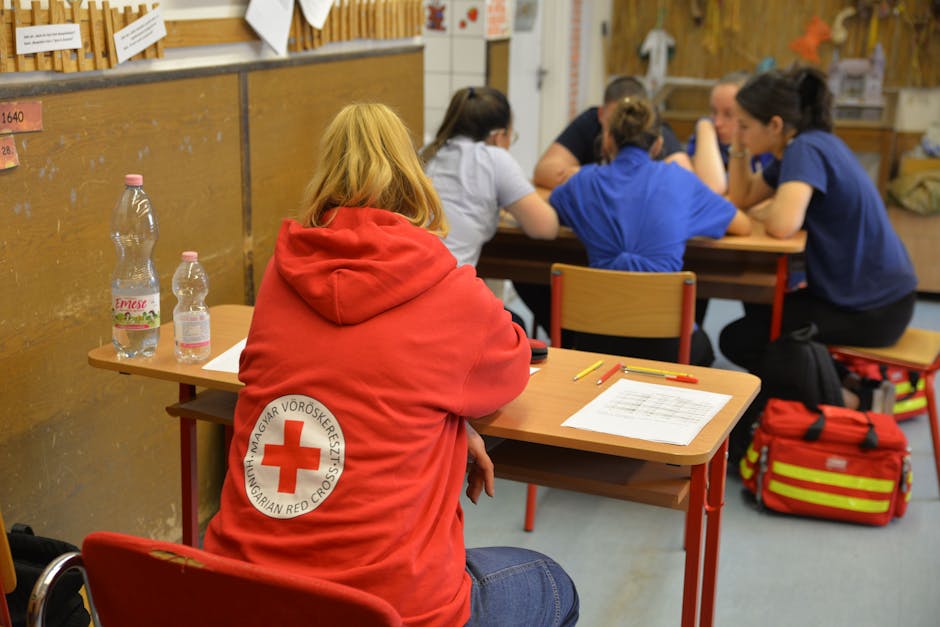
- Training: if possible, take a short basic first-aid course before you travel — the Portuguese Red Cross (Cruz Vermelha Portuguesa) offers local sessions, for example in Faro — address: Largo da Sé 10, 8000-168 Faro. Contact: +351 289 821 300. Fees and schedules vary; book ahead.
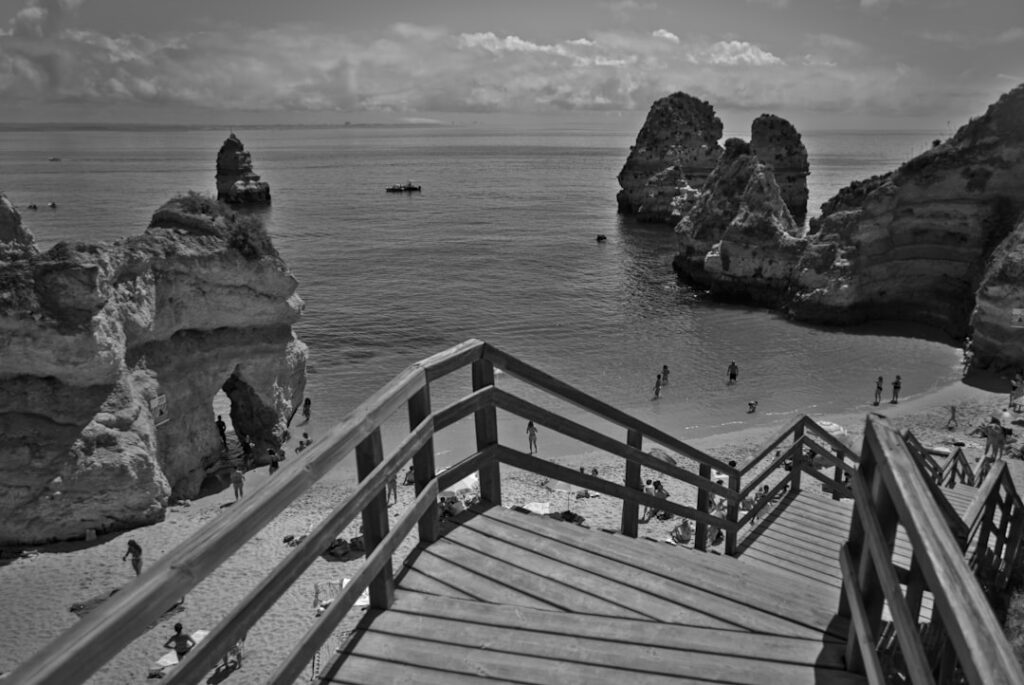
On-the-ground tips: in Lagos, let the beach lifeguards know if you’re taking kids far out to swim; in Tavira, keep a small kit in the car — distances between villages can be long; in Sagres watch for strong winds and sharp rocks — bring wide plasters and sterile dressings. Finally, respect lifeguard advice and beach flags (red = no swimming, yellow = caution, green = safe to swim).
Conclusion — Travel with confidence in the Algarve thanks to a smart kit
Visiting the Algarve brings together stunning beaches, charming towns and outdoor activities that require preparation and caution. The ideal first-aid kit should be complete yet compact, suited to the Mediterranean climate and region-specific risks: intense sun, marine wildlife, coastal hikes and water sports. This guide provided a detailed checklist (plasters, antiseptics, basic meds, sun protection), indicative prices in euros to help budget, exact addresses (pharmacies like Farmácia Central de Faro, hospitals such as Hospital de Faro and private clinics in Portimão) and typical opening hours to plan your shopping.
Remember the practical tips: store supplies in waterproof pouches, label medicines, check expiry dates and adapt the kit to your travel style (family, active or van). In case of emergency dial 112; for non-urgent problems the local pharmacy is often the first stop and can point you to the nearest care facility. Prevention is the best insurance: stay hydrated, protect yourself from the sun, follow beach safety signs and always tell someone your route before heading out on hikes.
With this kit and knowledge you’ll be ready to enjoy the Algarve fully — from a romantic walk to the Cabo de São Vicente lighthouse at Sagres to swimming in the clear waters of Praia da Marinha and tasting local specialties at markets. A small, well-thought-out kit brings peace of mind and independence so you can savor every sunset from the cliffs, explore hidden coves and taste local dishes without worry. Have a great trip and take care in the Algarve!